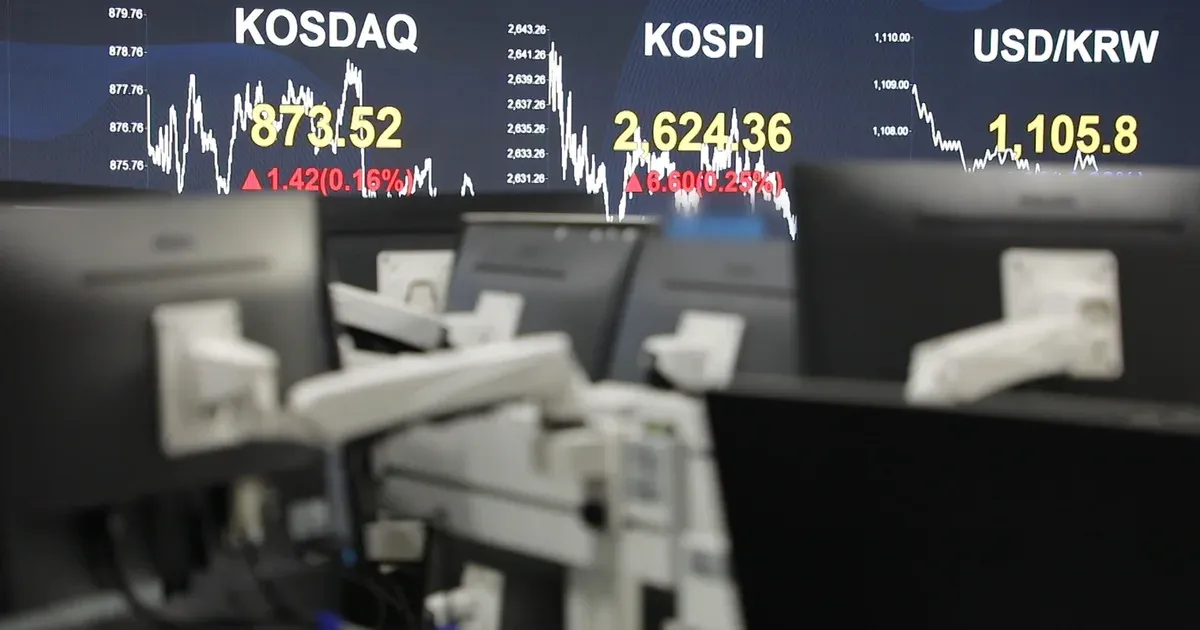
The KOSPI sell-side sidecars are not a footnote to South Korea's equity story. They are the visible sign of a market that moved too far, too fast, and then discovered how thin confidence can become once the AI trade starts reversing.
Korea Exchange activated sell-side sidecars several times during the 2026 selloff as KOSPI 200 futures fell by at least 5% for the required period, temporarily suspending program sell orders. Yonhap reported a June 26 trigger after the benchmark dropped more than 5% intraday, and further July reports showed the mechanism returning as the index fell below key levels. A sidecar is meant to slow mechanical selling. It does not repair valuation, liquidity or trust.
The Mechanism Reveals Stress, Not Safety
A sell-side sidecar can look like official protection to retail traders watching screens turn red. In practice, it is narrower. It pauses the effect of program sell orders for five minutes when futures fall sharply enough to threaten disorderly trading. The pause can reduce the speed of the move, but it cannot force buyers back into the market.
The mechanism's limit matters because Korea's 2026 volatility has not been a single bad session. The index surged on enthusiasm for AI infrastructure, memory chips and Korean semiconductor leadership, then suffered repeated air pockets as investors questioned whether the price move had outrun earnings durability. A five-minute brake cannot solve a crowded trade.
Record Profits Did Not Calm Forward Risk
Strong corporate earnings still matter. Samsung Electronics, SK Hynix and the wider export complex gave investors real numbers to work with, not only a story. Korean companies entered the year with the benefit of chip demand, AI-server spending and balance-sheet strength across several large names.
Markets, however, discount the next cycle rather than reward the last one forever. Once investors start asking whether margins have peaked, record profit becomes a high bar instead of a shield. Forward risk explains why the KOSPI could sell off despite impressive trailing earnings. Buyers were no longer debating whether Korean champions had made money. They were debating whether the next earnings base justified the rally's price.
Semiconductor Concentration Turned Strength Into Fragility
The rally's most powerful driver also became its vulnerability. AI demand made Korean chipmakers central to the global market story, and that pulled foreign and domestic money toward a narrow set of names. Concentration can feel efficient while the trade is working. It becomes brutal when the same investors try to reduce exposure together.
MarketWatch and other financial outlets tied the bear-market move to an overheated AI rally, retail leverage and heavy dependence on Samsung and SK Hynix. The selloff does not mean the companies are broken. It means the index had become dependent on a small group of leaders carrying a very large valuation burden. When those leaders wobble, the benchmark has few places to hide.
The Won Added Another Layer of Pressure
Currency weakness made the equity correction more uncomfortable. The Financial Times reported that traders were watching won volatility around SK Hynix's large U.S. listing and repatriation flows, while the broader currency remained under pressure from capital outflows and a changed relationship between trade surpluses and currency strength.
For foreign investors, the equity decision and currency decision travel together. A cheap stock can still lose appeal if the currency move erases the local gain. A semiconductor rally can still face selling if global funds decide that Korea's currency, liquidity and concentration risks require a larger discount. Currency exposure turns stock volatility into a cross-asset problem.
The Korea Discount Has Not Disappeared
The old Korea discount still sits underneath the AI boom. Governance concerns, conglomerate structures, dividend policy, shareholder returns and foreign-exchange access all shape how global investors value Korean equities. Reform momentum can narrow the gap, but it cannot erase decades of caution in one rally.
Access concerns explain why the MSCI developed-market debate matters beyond index branding. If investors believe Korea remains harder to access, hedge or govern than peer developed markets, they will demand compensation when volatility rises. During a rally, those issues can look secondary. During a selloff, they return to the front of the pricing model.
The Sidecar Should Force Better Risk Discipline
Korea's equity market has not lost its long-term appeal. The country still has world-class technology exporters, deep savings, sophisticated investors and a government interest in market reform. A fast AI-led re-rating still needs broader support than one sector, one currency story and one wave of retail enthusiasm.
Sidecars are useful because they prevent the machinery of program selling from making a bad move worse. They are also warnings. When a market needs the sidecar repeatedly, the problem is no longer only speed. It is positioning. Korea's next healthier rally will need more than record profits from the leaders. It will need broader earnings participation, clearer shareholder returns, steadier currency confidence and fewer investors treating a chip cycle as a one-way trade.