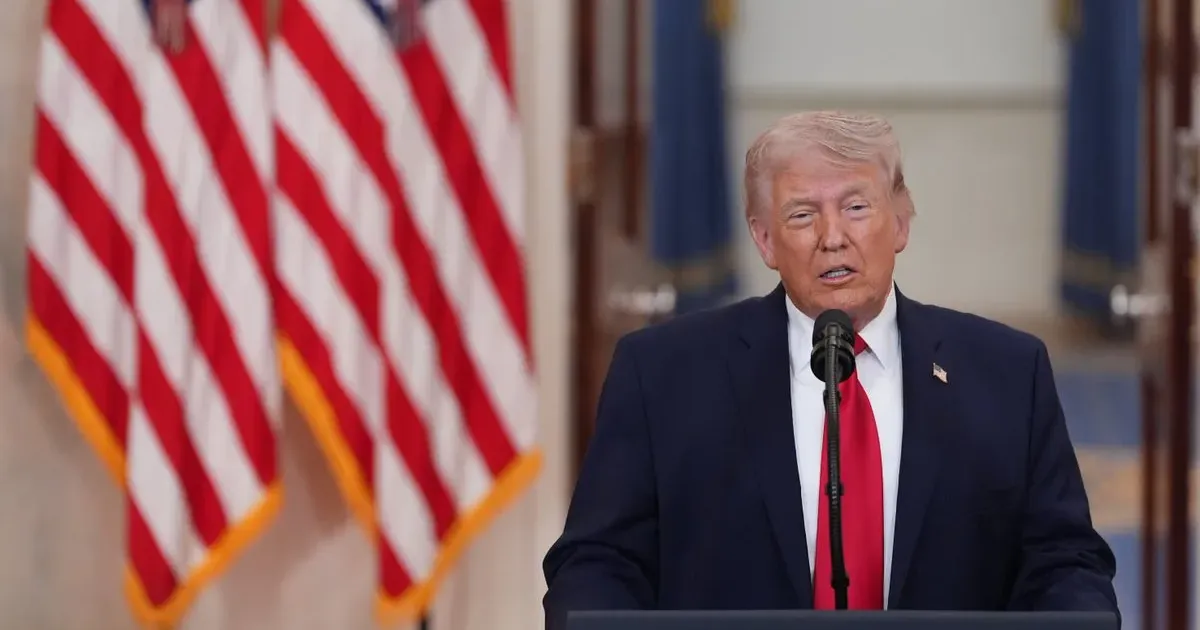
Oil markets are no longer treating Trump's Iran campaign as something close to finished. The April promise to "finish the job" moved prices because traders feared escalation. By mid-July, that fear has become more concrete: the ceasefire has broken down, the U.S. has reimposed blockade measures, fresh strikes have hit Iranian targets and Iran has threatened wider disruption to Middle Eastern energy exports.
Crude therefore keeps carrying a war premium even when prices settle below intraday highs. Brent around the mid-$80s and WTI near $80 are not only commodity quotes. They are market votes on shipping risk, inflation pressure, policy confusion and the possibility that the conflict remains unresolved long after Washington declares military progress.
Markets Price the Route, Not the Speech
Political language can say the campaign is near completion. Oil traders look at the Strait of Hormuz, tanker insurance, port access, cargo delays and the chance that a retaliatory strike interrupts flows. The route matters more than the speech because physical energy trade depends on ships moving safely.
A leader may intend to project control. Markets may hear the opposite if the next stage involves strikes on infrastructure, renewed sanctions or threats to shipping. War messaging contains a tension: certainty from a podium can still translate into uncertainty at the refinery gate.
The 20 Percent Fee Reversal Did Not End Volatility
Trump's abandoned proposal for a 20 percent fee on cargo through Hormuz shows how policy noise can move markets almost as quickly as military action. Oil trimmed some gains after the plan was dropped, but the reversal did not remove the underlying risk. Traders still have to price blockade rules, Iranian responses and whether commercial vessels can move without interruption.
Policy uncertainty matters because it can amplify oil shocks. Companies can plan around a clear price. They struggle with a price driven by shifting military statements, changing fees, insurance adjustments and new attack reports.
South Korea Shows the Importer Problem
South Korea illustrates the problem because it depends heavily on imported energy and sits inside global manufacturing supply chains. Higher oil moves through petrochemicals, shipping, consumer fuel, factory power costs and inflation expectations. A government can offer relief, but it cannot fully shield an export economy from a global energy shock.
The April market reaction already showed the vulnerability, with Korean stocks falling sharply as oil surged and March inflation was pushed by fuel costs. The July escalation keeps the pressure alive. Importers do not need to be parties to the war to pay for it.
Inflation Relief Can Vanish Quickly
June's brief price relief depended partly on lower gasoline and fuel oil costs during a temporary de-escalation. The renewed fighting matters because it can reverse the relief. If crude and gasoline climb again, the improvement can reverse before households and central banks get much benefit.
Energy shocks are not confined to petrol stations. They move into airfares, freight, chemicals, food distribution and government subsidy calculations. The first market reaction is a futures contract. The later political reaction is a household budget.
Military Endgames Need Maritime Plans
Washington can measure success through destroyed targets, degraded Iranian assets and pressure on Tehran. Markets measure success through stable flows. If ships still need escorts, insurers still lift premiums and Iran still threatens energy exports, investors will not price the war as over.
A credible endgame therefore needs more than airstrikes. It needs a maritime plan, a diplomatic channel, clear rules for commercial traffic and a path for Iran to step back without turning every tanker into leverage. Without a maritime and diplomatic plan, each military claim of progress can be followed by another commodity scare.
The Cost Arrives Before Any Final Outcome
The most difficult economic feature of this conflict is timing. Oil, gasoline and freight can rise before the war's strategic result is clear. Airlines hedge. Manufacturers reprice inputs. Governments review subsidies. Consumers see fuel costs before they hear any coherent explanation of what victory means.
The oil rally therefore matters. A campaign can damage inflation expectations even while officials insist it is nearing success. Strategy is not only the ability to hit targets. It is the ability to keep the aftermath from becoming more expensive than the operation itself. For energy importers, the aftermath test is already underway.