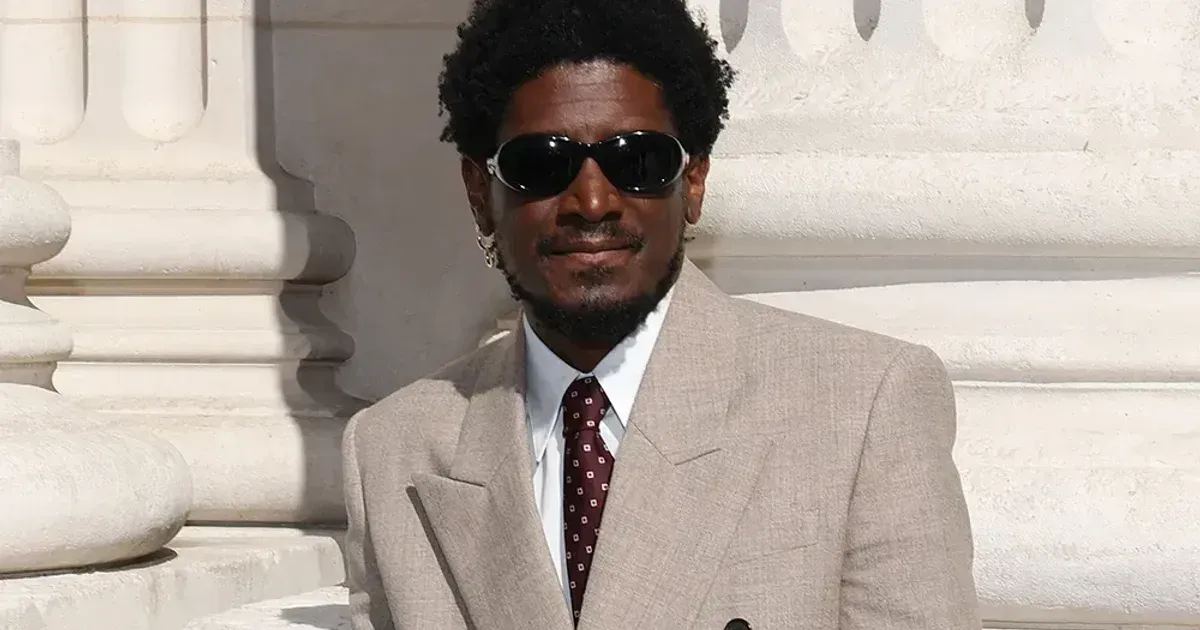
Timothy McKenzie chose a public rupture over a quiet industry dispute late Thursday, turning an Instagram post into a direct attack on the companies most closely tied to his recent fame. Variety reported the specific language used in the post, which appeared on McKenzie's verified profile without prior warning. The report was published March 13, 2026.
"I am done with this industry. Fuck Columbia. Double fuck 'Euphoria.' I am out. Thank you and good night x," the musician wrote.
This outburst comes at a sensitive time for HBO and the production team behind the teen drama. Season three of the series is scheduled to premiere on April 12, exactly one month after the composer's public denouncement. McKenzie has been the sonic architect of the show since its inception in 2019.
Why the Post Landed at a Sensitive Moment
He is simply done.
BBC Arts confirmed that the British singer and producer has been the primary creative force behind the music for the first two seasons. His work on the series earned him multiple Emmy nominations and a win for Outstanding Original Music and Lyrics in 2020. Yet the relationship between the composer and the production appears to have fractured beyond repair during the long-delayed development of the third installment. Production on season three faced numerous hurdles, including the deaths of key cast members and prolonged labor disputes in Hollywood. These delays pushed the premiere date several years past the original target.
Rumors regarding creative friction between McKenzie and series creator Sam Levinson have circulated for months in Los Angeles recording circles. Sources close to the production suggest that the musical direction for the new episodes became a point of contention during post-production. Levinson reportedly requested a shift toward more commercial, radio-friendly tracks to bolster the show's presence on social media platforms. McKenzie resisted these changes, preferring the experimental, gospel-infused electronic sound that defined the earlier chapters of the story. The composer has always maintained a strict standard for his artistic output.
The Soundtrack Legacy at Risk
Columbia Records is the other primary target of his ire. The musician signed with the Sony-owned label early in his career and released several successful projects under their banner, including the collaborative LSD project with Sia and Diplo. This specific conflict likely stems from recent contractual negotiations or disputes over the ownership of the master recordings for the new soundtrack. The music industry has seen a rise in public battles between artists and major labels over the last three years. This move by McKenzie mirrors the frustrations expressed by other high-profile artists who feel stifled by corporate expectations. The silence from HBO is deafening.
Spokespeople for both the network and Columbia Records declined to comment when reached for clarification on Friday morning. The lack of a prepared response suggests that the social media post caught both entities off guard. Market analysts note that the soundtrack for Euphoria has been a significant revenue driver for the label, with tracks like "Still Don't Know My Name" and "All For Us" accumulating billions of streams. A total withdrawal by the lead composer could jeopardize the marketing strategy for the upcoming season. Fans have already begun to express concern over the quality of the new episodes without McKenzie's involvement.
McKenzie spent much of 2025 working in isolation in his London studio. During this period, he reportedly voiced concerns to his inner circle about the commercialization of his creative process. He felt that the industry was moving toward a model that valued viral snippets over cohesive albums. His Instagram post mentioned being "out," which many interpret as a permanent retirement from the public eye. Such a declaration from an artist at the height of his powers is rare in the modern era. He won a Grammy for his work on the season two soundtrack just two years ago.
The Euphoria sound is inextricably linked to McKenzie's identity. His use of massive choral arrangements, heavy synthesizers, and distorted vocals created a specific atmosphere that defined the show's aesthetic. Without his contribution, the series loses one of its most recognizable characteristics. Sam Levinson previously described McKenzie as the heart of the show during an interview with Variety. That heart now appears to have stopped beating for the production. The premiere on April 12 will reveal how much of his work remains in the final cut of the episodes. Financial implications for Columbia Records could be significant if McKenzie chooses to litigate for the return of his masters. His catalog has become a staple of the streaming era, frequently appearing in top-tier playlists and cinematic trailers. The musician has not posted any follow-up messages since the initial outburst on Thursday night. Friends of the artist suggest he has retreated to a private residence to avoid the media storm. His departure leaves a void in the contemporary music landscape that few can fill with the same level of technical proficiency.
McKenzie is known for his perfectionism. He often spent months refining a single texture or vocal layer for the Euphoria score. Such a dedication to his craft made him a favorite among critics and fellow musicians alike. But the pressures of maintaining that standard within the machinery of a global media conglomerate appear to have taken a toll. The profanity in his post highlights the intensity of the emotions behind the decision. He did not provide a list of specific demands or a path toward reconciliation. HBO executives are currently meeting to discuss the impact on the season three launch. Marketing materials for the show have leaned heavily on the music in the past. If McKenzie refuses to participate in promotional events or interviews, the network must find a new way to engage the audience. The premiere remains scheduled for April 12. No replacement composer has been announced for future projects. McKenzie's legacy at the network is now defined by this sudden and violent exit.
Creative Control Becomes the Fight
Artistic burnout is usually a quiet affair involving retreats to the desert or long stints in rehab, but Labrinth chose a digital flamethrower. His decision to target both Columbia Records and the Euphoria production team reveals the rot at the center of the modern entertainment machine. We see a brilliant creator being squeezed by a system that demands he become a content-vending machine for prestige television. It is a system that values the TikTok-ability of a hook over the integrity of a score. Labels like Columbia have spent years treating musicians as secondary to the algorithm, and now they are seeing the consequences of that arrogance. McKenzie is not some petulant child throwing a tantrum. He is an Emmy-winning architect who realizes that the building he helped construct is now a prison. The industry deserves this public lashing. If a talent as immense as Labrinth feels the need to scream "fuck you" to his benefactors, the problem is not with the artist. The problem is with a business model that treats genius as a disposable commodity. His exit should terrify every executive in Hollywood who thinks they can own a soul for the price of a streaming license.