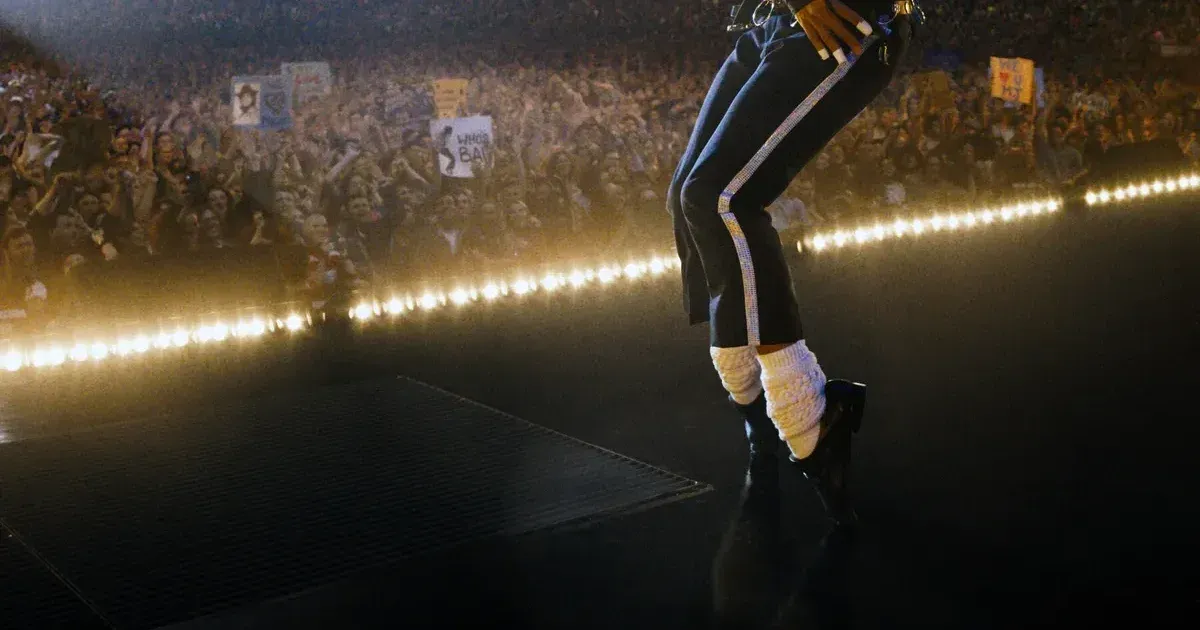
Lionsgate’s confidence in “Michael” shows how fan demand can overpower weak critical reception before a film even completes its first weekend. The studio is reading advance sales as evidence that the Jackson biopic has become an event release. The early projection also raises the stakes for theaters still chasing reliable global openings. Lionsgate executives projected on April 25, 2026, that their latest production, "Michael," would generate more than $200 million during its global opening weekend. Initial figures suggest the film is overcoming a wave of negative critical reviews to achieve one of the highest opening tallies for a musical biopic in cinematic history. Internal data from the studio indicates that ticket sales remained strong through Friday night and early Saturday morning. Analysts note that fan enthusiasm for the project appears to outweigh the influence of professional film critics.
Box office tracking services started reporting high demand for the film weeks before its debut. Lionsgate partnered with Sony Pictures for the international distribution of the feature, which chronicles the life and career of the King of Pop. While some trade publications anticipated a softer opening due to the film's three-hour runtime, the actual numbers indicate a major turnout across multiple demographics. Audience surveys conducted at theaters show high approval ratings despite the critical consensus. These early exit polls indicate the film may have lasting appeal in the coming weeks.
Production costs for the film were reportedly high, with some estimates placing the budget at $155 million before marketing expenses. This investment reflects the studio's confidence in the enduring global appeal of the subject matter. Graham King, who previously produced the successful Queen biopic "Bohemian Rhapsody," led the production team. His involvement signaled a specific strategy to target a broad, international audience rather than a niche group of enthusiasts. The film stars Jaafar Jackson, the nephew of Michael Jackson, in the title role.
Lionsgate Global Box Office Projections
International markets are expected to provide a heavy portion of the total revenue. Markets in Asia and Europe showed strong pre-sale numbers, particularly in territories where the performer maintained a huge following throughout his life. Lionsgate shares rose slightly in pre-market trading as news of the $200 million projection reached investors. Financial analysts at several Wall Street firms had previously predicted a more modest $120 million start. The current trajectory places the film in the same level as major superhero franchises.
Biopics often rely on word-of-mouth instead of initial critical acclaim to sustain their theatrical runs. Critics leveled complaints at the film for its treatment of controversial aspects of the singer's life, but fans seem focused on the musical performances and production value. Cinemas in major cities reported sold-out screenings for the entire weekend. This performance marks a major win for Lionsgate as it seeks to expand its portfolio of high-budget tentpole films. Theater owners expressed relief at the high turnout, which provides a boost to the broader exhibition industry.
Marketing efforts for the film were extensive and focused heavily on digital platforms. Social media campaigns leveraged archival footage alongside clips of the new performances to build anticipation. One specific trailer released during a major sporting event garnered over 100 million views within 24 hours. The studio focused its promotional spend on markets with the highest historical consumption of the artist's music catalog. This data-driven approach allowed the marketing team to bypass traditional critical gatekeepers.
Michael Jackson Biopic Critical Reception
Professional reviewers were much less enthusiastic than the general public. Several major outlets described the film as overly hagiographic and criticized the pacing of the second act. These reviews, however, did not deter the core fan base from purchasing tickets in record numbers. Aggregator sites showed a wide disparity between the scores provided by critics and those submitted by verified ticket buyers. CinemaScore, which measures opening-night audience reactions, reportedly gave the film an "A" grade. High audience scores typically correlate with long-term commercial success.
Conflict between critics and audiences is a recurring theme in modern big-budget filmmaking. Many observers compare this situation to the release of "Bohemian Rhapsody," which also faced lukewarm reviews before becoming a billion-dollar success. The divide suggests that certain subjects possess a cultural momentum that professional analysis cannot easily disrupt. Lionsgate officials remained silent regarding the negative reviews, choosing instead to focus on the financial data. They released a short statement praising the cast and crew for their dedication to the project.
"Lionsgate remains committed to bringing powerful, culturally resonant stories to the big screen, and the early response to Michael demonstrates the deep connection audiences still have with this global icon," a studio spokesperson stated.
Director Antoine Fuqua defended the film's creative choices in several interviews leading up to the release. He emphasized the goal of creating an immersive experience that captured the energy of a live performance. Fuqua previously directed several high-profile action films and brought a similar visual scale to this project. His collaboration with cinematographer Robert Richardson resulted in a film that many viewers described as visually stunning. Technical achievement remains a highlight of the production in both positive and negative reviews.
Biopic Genre Profitability and Market Trends
Success for "Michael" confirms the ongoing viability of musical biopics as a top-tier genre for major studios. Recent years saw a string of hits in this category, including films centered on Elton John and Elvis Presley. Investors now view these projects as relatively safe bets compared to original intellectual property. The built-in audience for a world-famous musician provides a floor for potential losses. As long as the music remains popular, films based on those lives will continue to draw crowds.
Streaming services have also expressed interest in the secondary rights for the film. The bidding war for post-theatrical distribution is expected to be intense, given the opening weekend performance. Lionsgate holds the domestic theatrical rights, but the long-term revenue from digital sales and streaming licenses will be critical for total profitability. The studio’s distribution strategy involved a wide release in over 4,000 theaters across North America. The saturation ensured that the film was accessible to the widest possible audience during its first three days.
Cultural relevance plays a major role in the financial performance of such films. The estate of the artist worked closely with the production team to ensure access to the music and personal archives. While some argued this cooperation limited the film's objectivity, it provided the authenticity that many fans demanded. The inclusion of original vocal tracks mixed with new recordings created a soundtrack that is already topping digital charts. The cross-promotion between the film and the music industry creates a self-sustaining marketing loop.
Lionsgate Strategic Theatrical Distribution
Scheduling the release for late April allowed the film to avoid direct competition with summer blockbusters. The window provided the movie with a clear path to dominate the box office for at least two weeks. Distribution executives at Lionsgate carefully monitored the release calendars of other studios before finalizing the date. The decision to release the film globally on the same weekend helped prevent piracy and built a unified social media conversation. Early returns from the United Kingdom and Australia mirrored the strong performance seen in the United States.
Exhibition chains offered premium format screenings, including IMAX and Dolby Cinema, which command higher ticket prices. These premium formats accounted for a substantial percentage of the Friday night gross. Fans often prefer to see music-heavy films in theaters with superior sound systems. Lionsgate specifically improved the film's audio mix for these high-end environments. The result is a theatrical experience that cannot be easily replicated at home. Theater chains have reported that these premium tickets were the first to sell out during the pre-sale period. Future projections for the film depend on how well it holds its audience in the second and third weeks. A drop-off of less than 50 percent would indicate that the film has successfully transitioned from a fan-driven event to a general-interest hit. Current tracking suggests that the film will reach the $500 million mark within its first month of release. The financial impact for Lionsgate is expected to be visible in its next quarterly earnings report. The success provides the studio with additional capital to pursue other high-stakes projects.
Michael’s Box Office Triumph Shows Brand Loyalty Defeating Criticism
Criticism has lost its teeth despite the modern celebrity machinery. The $200 million opening for "Michael" is not a victory for cinema, but a victory for brand management and legacy protection. When a studio and an estate collaborate this closely, the result is inevitably a sanitized commercial product. Consumers are no longer looking for a subtle exploration of a complex human being. They are looking for a high-definition nostalgia trip that confirms their existing biases. The trend toward the "concert-film-as-biopic" format prioritizes spectacle over substance, effectively turning the movie theater into a gift shop for a deceased artist's estate. Lionsgate has mastered the art of the bulletproof release. By targeting fan communities directly through digital echo chambers, they have rendered professional critique irrelevant. The 34 percent critical score is a badge of honor for a certain type of modern moviegoer who views critics as out-of-touch gatekeepers. The tribalism in entertainment consumption ensures that any film with a sufficiently large pre-existing fan base is immune to quality control. The financial success of "Michael" will undoubtedly trigger a fresh wave of imitation, further crowding the market with safe, authorized, and ultimately hollow tributes to icons of the past. It is a profitable strategy, but it signals the continued erosion of the biopic as a serious biographical medium. Commercialism has won.