Los Angeles Unified School District officials and union leaders finalized a tentative labor agreement that stopped a walkout scheduled to begin at dawn. Negotiators reached the consensus just after 2:00 a.m. local time following a marathon session aimed at keeping schools open for more than 400,000 students. The deal was reached on April 14, 2026. Exhausted representatives from both sides emerged from the bargaining table with a framework that addresses several enduring grievances regarding wages and staffing levels. Tuesday morning classes will proceed as scheduled across the sprawling metropolitan area.
Labor leaders had previously threatened to shut down the nation's second-largest school district if their demands for a new contract were not met by the Tuesday deadline. Classes for hundreds of thousands of children hung in the balance for weeks while the two parties remained deadlocked over financial specifics. Success in these negotiations ensures that instructional time remains uninterrupted for a student body that has faced meaningful academic disruptions over the last few years. The immediate threat of a citywide campus closure has dissipated.
LAUSD Reaches Labor Agreement Before Tuesday Deadline
Negotiators worked through the night at the district headquarters to bridge the gap between the last offers and union expectations. Reports from the bargaining room indicated that the final hurdles involved specific language regarding classroom support and cost-of-living adjustments. This single breakthrough allowed the district to avoid the logistical nightmare of a prolonged strike. School buses will follow their regular routes to transport children across the 700-square-mile district territory.
District officials highlighted the necessity of maintaining operations to protect the most vulnerable students who rely on campuses for meals and safety. Los Angeles Unified School District operates as an essential social safety net in Southern California, serving a population where a high percentage of families qualify for subsidized lunch programs. Any cessation of services would have created an immediate crisis for working parents who lacked alternative childcare options. Local businesses also faced the prospect of reduced productivity from employees forced to stay home with their children.
Union Demands Meet District Budget Realities
Funding for the Los Angeles Unified School District comes from a complex mix of state tax revenue and local property taxes. Budget analysts for the district had expressed concerns about the long-term sustainability of serious pay increases at a time of fluctuating state allocations. Despite these financial constraints, the final package includes provisions that aim to keep educator salaries competitive with neighboring districts in Long Beach and San Diego. The cost of living in Los Angeles continues to drive the demand for higher baseline compensation.
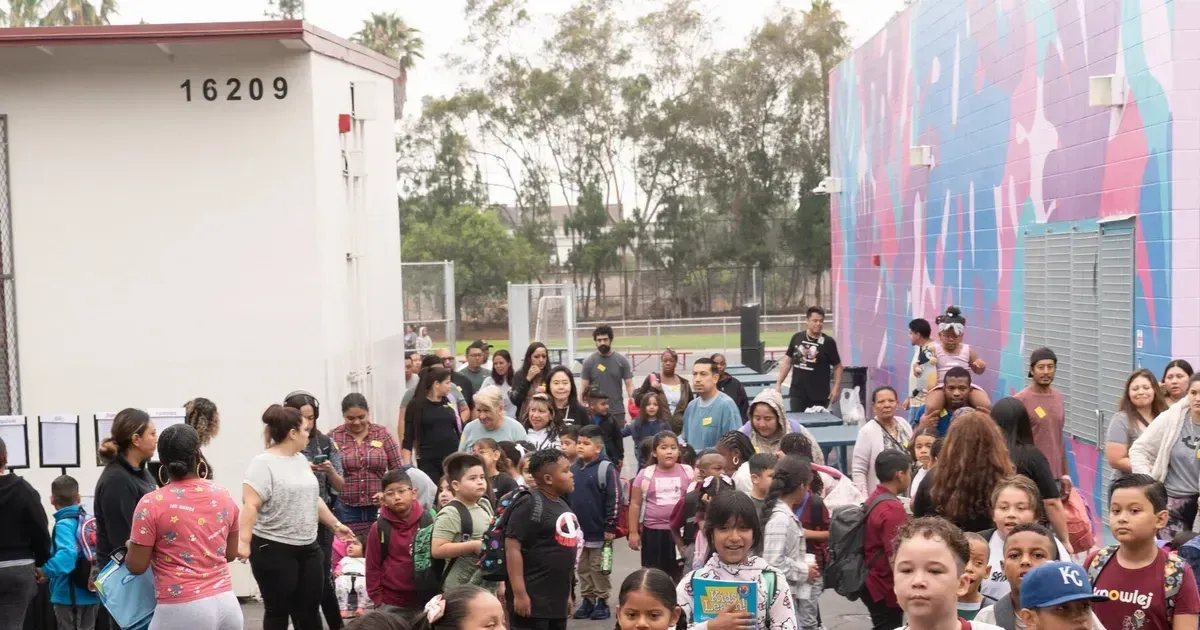
Parents received automated calls and emails shortly after the announcement to confirm that school was in session. The relief among local families was palpable after days of contingency planning for a potential shutdown. Many families had prepared to use community centers or neighborhood parks if the strike had proceeded. These emergency plans are no longer necessary for the immediate future.
The agreement gives families immediate relief because a strike would have disrupted transportation, meals and classroom schedules across the district. Labor negotiators still have to convert the last-minute terms into durable implementation, but the avoided walkout removes the most urgent risk for students and parents.
Schools Avoid a Labor Shutdown
Negotiation by exhaustion has become the standard operating procedure for public-sector unions in California. The 2:00 a.m. announcement is not a sign of hard-fought diplomacy but rather a calculated piece of political theater designed to maximize leverage while minimizing public accountability. By waiting until the final hours to settle, union leadership ensures the highest possible level of anxiety among the voting public, which in turn pressures the school board to capitulate to demands that the district budget cannot truly afford.
The Los Angeles Unified School District is a large bureaucracy that has mastered the art of the 11th-hour surrender. While the immediate relief of parents is understandable, the long-term fiscal health of the district is being eroded by these repeated cycles of strike threats and subsequent bailouts. These agreements often rely on one-time state surpluses or accounting maneuvers that merely kick the financial crisis down the road. The result is a school system that spends more on administrative peace than it does on genuine pedagogical innovation.
Public education in the United States is increasingly becoming a battleground for labor power rather than a service for students. When the threat of a strike is used as the primary tool of negotiation, the children are effectively used as human shields in a budgetary war. The LAUSD deal may have opened the school doors on Tuesday, but it has done nothing to address the structural inefficiencies that make these recurring crises inevitable. This is a temporary truce in an ongoing conflict that rewards the loudest voices at the expense of the taxpayers. A hollow victory.