The closures show how holiday operations have become a reputational decision. Major chains balanced customer demand against staffing needs and employee expectations on April 5, 2026.
Millions of Americans navigated a landscape of shuttered storefronts and locked doors. CBS News released a thorough list showing that many major retailers chose to remain closed for the holiday. Target, Costco, and Lowe's were among the corporations that gave employees the day off. These decisions often reflect corporate values or labor cost analyses rather than strictly religious adherence.
American commerce slowed sharply as top-tier retailers enforced mandatory holiday closures. CBS News confirmed that chains like TJ Maxx, Marshalls, and Home Goods joined the list of businesses granting their staff a break. This widespread cessation of activity is a serious shift in the retail sector, which has historically prioritized 24/7 accessibility. Labor advocates point to these closures as a victory for work-life balance in a high-pressure economy.
Retailers that opted to close cited the need for employee retention and moral support. Management at major warehouses like Costco has long maintained an Easter closure policy, viewing it as a core component of their corporate identity. Small independent shops frequently follow suit, though their motivations are often tied to the reduced foot traffic in suburban shopping centers. Many shopping malls across the country remained entirely dark, with only movie theaters or specific entertainment venues staying operational.
This retail pause creates a wider effect throughout the national supply chain. Logistics providers reported a temporary dip in local delivery volume as distribution centers also limited their hours. Trucking routes were adjusted to accommodate the lack of receiving personnel at major hubs. Economic analysts estimate the day of lost sales across the United States totals approximately $5.4 billion in gross revenue.
Holiday Staffing Drives the Decision
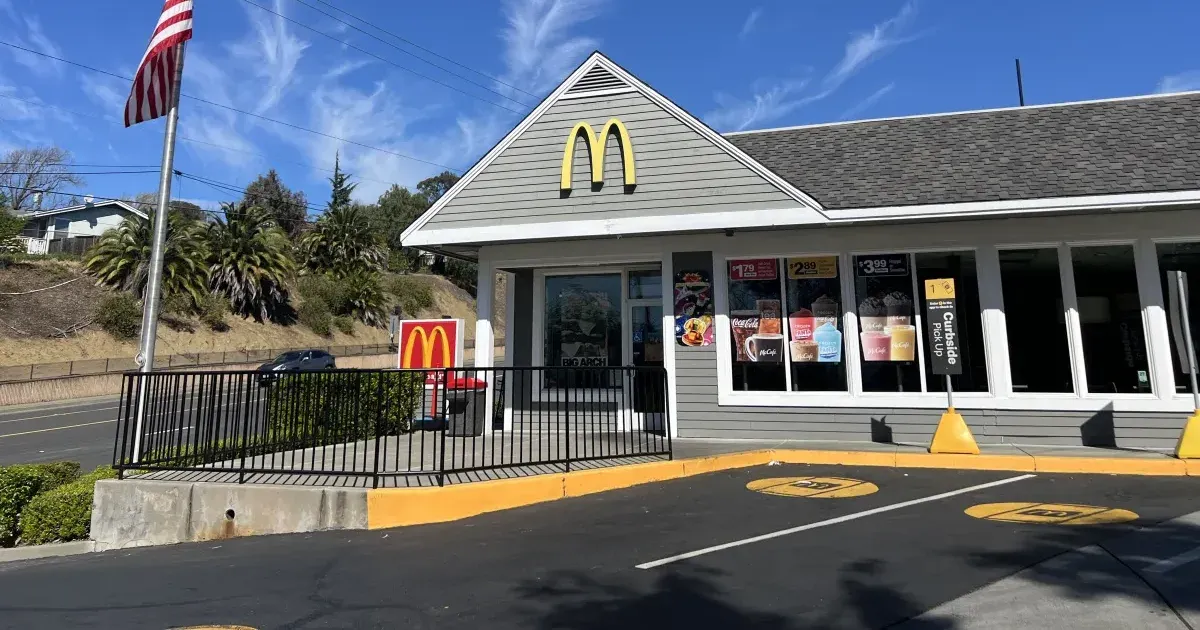
Dining options for those traveling or celebrating away from home were largely restricted to quick-service establishments. Newsweek clarified that while national chains like McDonald's and Burger King typically remain open, regional franchise owners hold the power to set their own hours. The decentralized approach led to confusion for some consumers who found their local branches closed despite national advertisements. Dining room access was particularly limited, with many stores shifting exclusively to drive-thru service to manage smaller holiday crews.
Starbucks and Dunkin' maintained their presence in most urban markets, catering to the morning rush of churchgoers and early travelers. Some locations opted for abbreviated schedules, closing by mid-afternoon to allow staff to return to their families. Delivery platforms like DoorDash and Uber Eats warned users that wait times could be longer than usual due to a shortage of active couriers and participating restaurants. These disruptions highlight the fragility of the gig economy during major cultural holidays.
Waffle House and IHOP stayed true to their reputation for constant availability, serving full menus throughout the day. These 24-hour institutions often see a spike in traffic during holidays when other options are unavailable. Corporate offices for these chains maintain that staying open is a service to the community, particularly for workers in essential industries who do not have the luxury of a day off. Police officers, medical staff, and emergency responders rely on these establishments for sustenance during their shifts.
Service Schedules Need Checking
Preparation became the primary strategy for households looking to avoid holiday inconveniences. Grocery stores like Publix and Aldi chose to close, forcing shoppers to complete their errands by Saturday evening. The surge in pre-holiday shopping created long lines and inventory shortages for seasonal items like eggs and lilies. Retail experts noted that the Saturday before Easter has become one of the busiest shopping days of the spring season, rivaling some periods in December.
Pharmacy access also shifted, with many CVS and Walgreens locations operating on reduced pharmacy hours even if the front of the store stayed open. Patients were advised to refill critical prescriptions earlier in the week to avoid delays. The move toward more frequent holiday closures suggests a recalibration of consumer expectations in the post-pandemic era. People appear more willing to accept a day of inconvenience in exchange for perceived improvements in labor conditions.
Public transportation systems in major cities like New York and London operated on holiday schedules. Reduced frequency on subways and buses meant longer transit times for those attending religious services or family gatherings. Commuter rail lines also saw adjustments, with some routes suspended entirely for the day. These logistical hurdles required careful planning for anyone without a personal vehicle.