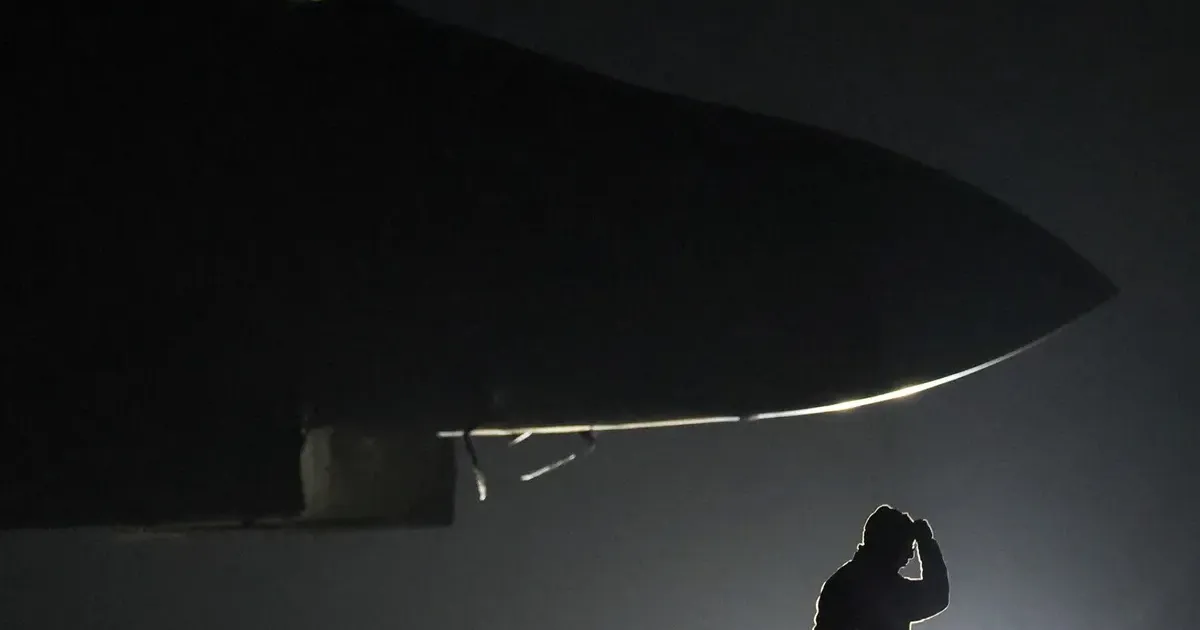
Donald Trump said U.S. forces rescued two Air Force officers after their F-15E Strike Eagle was shot down in Iranian territory, ending a high-risk recovery effort but deepening questions about the regional conflict. The announcement came on April 5, 2026, after search teams located the second crew member. Both airmen were reported in stable condition at a secure medical facility. The immediate relief over their survival was matched by concern inside the Pentagon over how Iranian defenses managed to bring down a manned U.S. fighter during an already volatile period. The recovery also raises operational questions because a successful rescue does not erase the tactical vulnerability that created the mission. Commanders will also have to explain whether the rescue reflected unusual luck, strong preparation or an operating environment that is becoming more dangerous by the day.
Rescue Teams Recover the Crew
Combat search-and-rescue operations are among the most dangerous missions in modern warfare because they require aircraft, intelligence teams and ground specialists to work inside a shrinking window. Iranian units were believed to be searching the area after the crash, increasing the risk of capture. The airmen's survival training likely shaped the outcome. Downed pilots are taught to move carefully, reduce electronic signatures, manage light and noise and wait for authenticated rescue contact. Those skills matter most when the recovery zone is contested.
“The rescue follows a frantic search-and-rescue operation after an F-15E was downed in Iran on Friday,” initial coverage reported.
F-15E Loss Raises Operational Questions
The F-15E Strike Eagle is built for long-range strike missions, but even advanced aircraft remain vulnerable when air-defense networks are dense, mobile or supported by electronic warfare. Investigators will now study telemetry, route planning and radar data from the mission. Iran will present the shoot-down as proof that its air defenses can impose real costs. U.S. officials will emphasize the successful recovery and the professionalism of the rescue teams. The strategic problem is that both messages can coexist. If commanders decide the threat environment has changed, future missions may require more suppression of enemy air defenses, different flight paths or heavier reliance on unmanned systems. Each option carries cost and escalation risk.
Political Pressure Builds in Washington
The rescue prevented an immediate hostage crisis, giving the White House more flexibility. A captured airman would have created intense domestic pressure and narrowed diplomatic options. Safe recovery gives officials time to assess what happened before announcing a response. That does not mean pressure will fade. Lawmakers will ask whether the mission was necessary, whether aircraft were properly protected and whether Iran's action requires retaliation. Allies will also watch for signs that Washington is changing its posture. Trump's decision to announce the rescue quickly shaped the first public frame of the story. It highlighted success, survival and military competence. The harder follow-up questions concern risk tolerance and whether similar missions will continue.
Regional Escalation Remains the Risk
The aircraft loss is now part of a wider pattern of military tension across the region. When U.S. assets, Iranian defenses and allied security commitments overlap, the chance of miscalculation rises sharply. The Pentagon's immediate priority was the safe return of the personnel. Its next priority will be preventing the same scenario from repeating under worse conditions. A future shoot-down could end in capture, casualties or a broader exchange of strikes.
The rescue was a tactical success, but it occurred inside a strategic warning. The United States recovered its airmen; it still has to decide whether the mission profile that put them behind hostile lines remains acceptable.
Debriefings will now become central to the military review. The pilots can explain what warnings they received, how the aircraft responded and what they observed after ejecting. Those details will be compared with radar tracks, communications logs and intelligence from other platforms in the area.
The administration also has to manage public expectations. Announcing a successful rescue creates a moment of relief, but it can quickly turn into demands for punishment if the aircraft loss is seen as an Iranian provocation. That makes the next briefing from defense officials especially important.
For commanders, the lesson may be operational rather than rhetorical. If the same mission can be flown more safely with different routing, stronger electronic support or unmanned systems, the Pentagon will have to adapt. The rescued airmen are safe, but their survival does not make the original risk disappear.
The aircraft loss will also affect allies who rely on U.S. air power as a security backstop. They will welcome the rescue but still ask whether Iranian systems are becoming more capable or whether the mission exposed a planning failure. Those questions matter for regional confidence.
Washington's response will have to balance deterrence and escalation control. A limited military answer could restore pressure but risk another exchange. A restrained answer could preserve diplomacy but invite accusations of weakness. The safe return of the airmen gives officials time to choose, but it does not remove the consequences of the shoot-down.
That is now the core military question. The next mission will show what changed, and the margin for error is smaller now. Rescue details remain sensitive because recovery routes can expose aircraft tracks, partner support, and timing assumptions. The rescue also leaves operational questions deliberately unanswered. Officials can confirm the recovery without detailing the exact route, aircraft support, or partner role, because those details would shape how adversaries plan around future shoot-down scenarios.