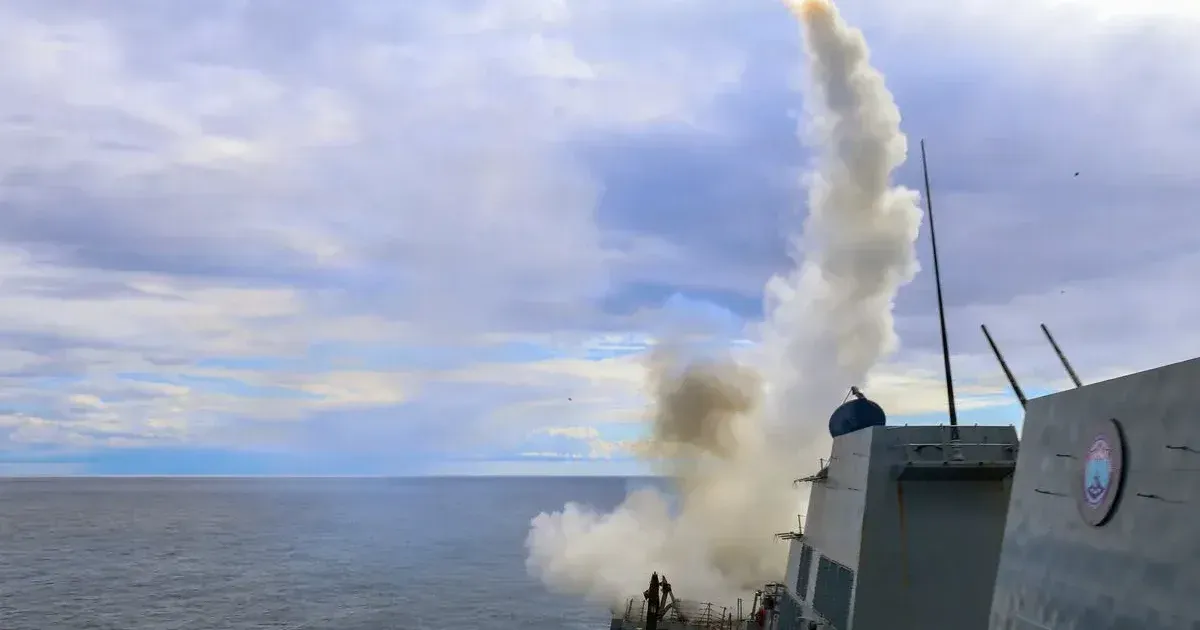
Marco Rubio signaled cautious optimism about diplomatic efforts to end the US conflict with Iran. State Department officials described the latest contacts as a significant step toward de-escalation. By May 22, 2026, negotiators were still working through military, maritime and sanctions questions that have slowed any final agreement. Officials have avoided presenting the talks as a settlement, partly because each unresolved item carries domestic political costs for both governments.
Tehran also indicated that the gap between the two governments had narrowed, while stopping short of declaring a breakthrough. Iranian representatives said several sensitive points still require further deliberation. Diplomats have focused on sequencing, verification and maritime security rather than a public signing timetable. That caution matters because a premature announcement could collapse if either side later disputes inspection rules, shipping guarantees or sanctions timing.
Marco Rubio Identifies Progress in Peace Negotiations
Rubio highlighted what he called encouraging signs in recent communications with Iranian representatives. He said the distance between the two sides had shrunk during the latest round of mediation, though he did not present the talks as complete. The message was designed to show diplomatic movement without promising a settlement that negotiators have not yet reached. It also gave the administration a way to answer critics who say the war is drifting without a clear end point.
Iranian officials struck a similar note by acknowledging progress and emphasizing the issues that remain unresolved. The most difficult questions include sanctions relief, limits on military activity and the monitoring of any future commitments. Those details matter because each side wants to avoid appearing to concede under wartime pressure.
Regional shipping remains the central obstacle to any final agreement.
Maritime access through the Strait of Hormuz continues to complicate the talks. The narrow waterway carries a major share of global oil shipments and has been the scene of repeated naval tension. Tehran wants stronger recognition of its security claims near its territorial waters, while Washington insists that commercial shipping must move through the channel without coercion.
Maritime Access at the Strait of Hormuz Stalls Breakthrough
Control over the Strait of Hormuz is a strategic concern for both governments. The channel is only about 21 miles wide at its narrowest point, making it a natural choke point for energy markets. Any agreement that reduces the risk of confrontation there would carry consequences beyond the immediate US-Iran dispute. Energy traders, insurers and regional governments are watching the strait because even limited incidents can alter shipping costs and fuel expectations far from the Gulf.
The monitoring question has become a secondary dispute. The United States favors arrangements that preserve freedom of navigation and reassure allied shipping interests. Iran has pushed for a regional security framework that gives Western naval forces a smaller role. Legislative scrutiny via the War Powers Resolution continues to shape the administration's room for maneuver.
House Democrats Confront GOP over War Powers Resolution
House Democrats criticized Republican leaders for canceling a planned vote on a War Powers Act resolution before the Memorial Day holiday. Democrats argued that the move denied Congress a clear vote on whether US forces should remain engaged in the conflict. The timing gave the procedural fight added weight because military policy debates often intensify around the holiday weekend.
Republican leaders defended the delay by saying a vote during active negotiations could weaken the administration's leverage. They argued that the president needs flexibility while diplomats pursue a settlement. Democrats countered that public opposition to the war makes congressional accountability more urgent, not less.
"It's a disgrace," House Democrats said after Republican leaders pulled the planned war-powers vote.
Constitutional experts noted that the War Powers Act of 1973 requires the president to consult Congress when US forces are introduced into hostilities. The current resolution was intended to force a debate over continued military involvement unless Congress gave formal approval. GOP leaders removed the bill from the calendar while calling for additional testimony from Pentagon officials. That delay keeps the administration's legal position intact for now, but it also ensures that the war-powers dispute will return if the talks stall or if additional deployments are ordered.
Public opinion is adding pressure to the congressional fight. Recent data cited by Al Jazeera indicates that 60 percent of Americans now oppose the military operations against Iran. Opposition has grown as the conflict's costs, risks and effect on fuel prices have become more visible to domestic voters.
Financial markets did not fully share Rubio's optimism. Investors remained cautious about the likelihood of a near-term breakthrough, and precious metals moved lower in Indian trading. The move was not a clean vote of confidence in diplomacy; it reflected a market still trying to price headline risk, energy exposure and the chance that negotiations produce only a temporary pause. On the Multi Commodity Exchange, gold June futures fell 0.21 percent to 158,672 rupees per 10 grams, while July silver futures dropped 0.4 percent to about 273,777 rupees per kilogram.
Hormuz Rules and Congressional Legitimacy Will Decide the Deal
The diplomatic track now depends on whether negotiators can separate a workable ceasefire framework from the harder question of Gulf security. A deal that leaves the Strait of Hormuz ambiguous could reduce immediate fighting while preserving the conditions for another confrontation. A deal that overreaches on maritime control, however, could fail before either government can sell it at home.
The political calendar in Washington is part of the security equation. If Congress remains blocked from voting while public opposition rises, the administration may face a legitimacy problem even if diplomacy advances. The most durable outcome would pair de-escalation language with clear monitoring rules, a credible maritime channel and a public explanation of how US forces would be reduced if Iran complies.