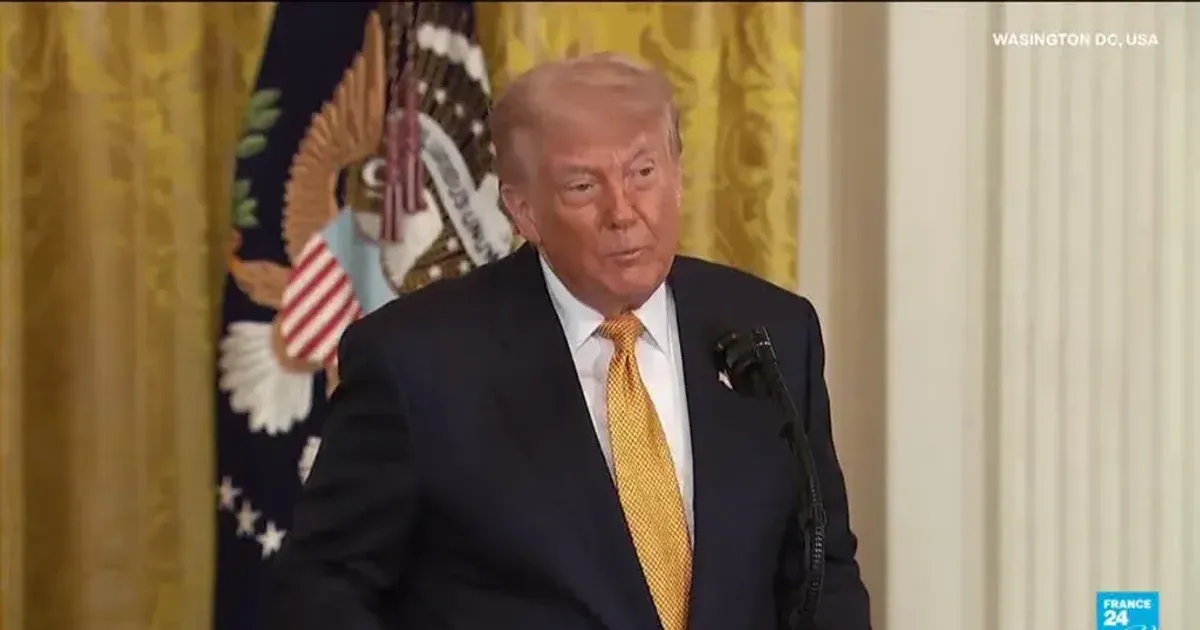
Iran's review of the US proposal keeps diplomacy alive but unresolved. The Hormuz dispute gives every sentence in the proposal commercial and military meaning. Tehran has to weigh sanctions pressure against the domestic cost of appearing to bend. Washington has to decide how much relief it can offer without weakening its deterrent message. On May 7, 2026, the review left shippers waiting for a clearer signal on Hormuz risk. Iran is reviewing a U.S. proposal to end the war as President Donald Trump predicts a quick resolution, but the most difficult issues remain unresolved. The draft framework is aimed at stopping active hostilities, reopening space for diplomacy and reducing pressure around the Strait of Hormuz. That would be a meaningful achievement after weeks of strikes, shipping disruption and warnings that the conflict could spill further across the Gulf. Shipping companies do not need a declared war to change behavior. A few ambiguous incidents near Hormuz can raise premiums, delay routes and give governments new reasons to deploy naval assets.
Tehran has not accepted the proposal. Iranian officials have said they are examining the text, while Trump has argued that Iran wants a deal because the economic and military pressure has become severe. The gap between those positions is the central uncertainty: Washington is selling momentum, but Tehran is still preserving room to reject or revise the terms. That posture allows Iranian officials to avoid appearing cornered while still testing whether the American offer contains enough relief to justify compromise.
The proposal appears designed to separate an immediate ceasefire from longer-running disputes over Iran's nuclear program, sanctions and maritime control. That makes it more realistic as a short-term instrument, but less complete as a peace settlement. It is also why regional governments and shipping firms will watch the fine print rather than only the statements from Washington or Tehran.
Proposal Prioritizes Ending the War
AP and regional reporting describe the U.S. push as an effort to secure a formal end to the conflict without resolving every strategic dispute at once. That sequencing is deliberate. A narrow framework can stop the fighting faster, while leaving harder issues for later negotiations. It may also be the only kind of agreement available while each government is under pressure from domestic hardliners, military commanders and regional partners.
The risk is that postponed issues can become the source of the next crisis. That is especially true if each side interprets a ceasefire as validation of its own position rather than as the beginning of a broader negotiation. If the proposal does not settle nuclear limits, sanctions relief or shipping rights, each side may sign a temporary document while preparing to fight again over the unresolved parts.
Iranian officials have particular reason to study the language closely. Any acceptance that looks like surrender could carry political costs inside Tehran, while any rejection could invite renewed U.S. strikes. That pressure gives mediators a narrow path but not a guaranteed breakthrough. A workable formula would need to let Iran claim that it protected sovereignty while allowing Trump to claim that force produced a diplomatic result.
Hormuz Remains the Hardest Bargain
The Strait of Hormuz remains central because hundreds of merchant ships are still constrained by the conflict, according to AP. Iran has treated control of the waterway as leverage, while Washington has insisted that an international chokepoint cannot be subject to unilateral permission.
Al Jazeera has reported that proposals around Hormuz include staged reopening, blockade relief and later nuclear talks. Those elements show why the waterway has become more than a shipping issue. It is now a bargaining chip that links energy markets, naval posture and Iran's claim to regional sovereignty.
The United States cannot easily accept a system that normalizes Iranian control over who uses the strait. Iran, meanwhile, is unlikely to give up maritime leverage without sanctions relief or some security assurance. That makes Hormuz the practical test of whether the proposal is more than a ceasefire headline. Even a limited reopening would require notice procedures, security guarantees and a mechanism for responding to violations without immediately returning to strikes.
Nuclear Questions Are Deferred
The nuclear file is the other unresolved core. Reports on the proposal indicate that immediate fighting could end before any full settlement on enrichment, inspections or long-term nuclear limits. Trump has previously treated the nuclear issue as a red line, so any delay will face criticism from hawks in Washington and Israel.
Tehran may view that sequencing as a victory because it avoids trading nuclear concessions for a ceasefire. Washington may view it as a necessary compromise because the cost of continued war is rising. Both interpretations can be true, which is why the political messaging around the proposal will matter almost as much as the text.
Sanctions are tied to the same problem. Iran wants economic relief that is visible enough to justify compromise, while the United States wants verification before easing pressure. A phased agreement could bridge that gap, but only if both sides trust the enforcement mechanism. Previous nuclear diplomacy collapsed when inspections, sanctions relief and domestic politics moved at different speeds, and the current war has made that sequencing even more fragile.
A Narrow Ceasefire Could Leave the Causes of War Intact
The strongest argument for the proposal is that stopping the war first could prevent a wider regional breakdown. A ceasefire would reduce immediate danger to shipping, energy markets and civilians while giving diplomats time to build a more durable structure. It would also lower the chance that a naval incident in the Gulf or a missile exchange involving Israel turns a negotiated pause into a wider regional emergency.
The strongest argument against it is that a narrow deal can freeze the battlefield without solving the causes of the conflict. If Iran keeps maritime leverage and the nuclear question is pushed forward, Washington may end up with a pause rather than a settlement.
That is why the next Iranian response matters more than Trump's optimism. Tehran can accept, reject or demand changes that expose how much room actually exists between the two sides. A counterproposal would not necessarily kill the process, but it would show whether the current document is a baseline or a take-it-or-leave-it demand. That distinction will decide whether mediators can keep both capitals engaged. Until that response arrives, the proposal is best understood as a possible off-ramp, not as proof that the war is nearly over. The diplomatic value is real, but the implementation risk remains high because every unresolved file can become a veto point. The next few days will show whether both sides are negotiating terms or merely testing each other's limits.