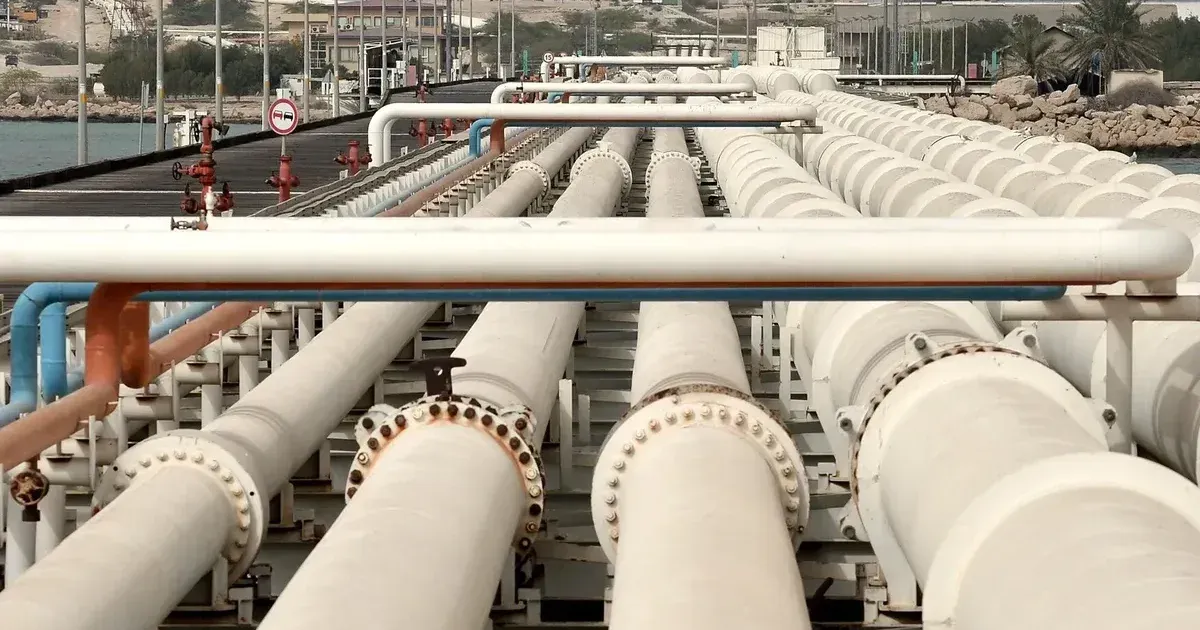
Iranian oil exports remain the economic pressure point behind the blockade fight. Tehran has encountered a sudden contraction in its energy export capabilities after US naval patrols and financial sanctions targeted the clandestine tanker networks moving Iranian crude. Foreign policy shifts in Washington led to an aggressive enforcement of maritime restrictions that have effectively grounded much of the Islamic Republic’s aging tanker fleet. This strategic squeeze, confirmed by intelligence reports on May 6, 2026, has reduced national revenue at a time when domestic infrastructure demands are reaching a critical point.
Economic indicators suggest the campaign is achieving a level of containment not seen in previous years. Data from maritime tracking firms show that vessels that previously navigated international waters under forged documentation are now being identified and blocked before reaching buyers in East Asia. The US Fifth Fleet, operating out of Bahrain, has increased its surveillance of the Strait of Hormuz to identify ships that have disabled their automatic identification systems to evade detection.
Satellite imagery confirms that storage facilities at Kharg Island, Iran's primary export terminal, are nearing their physical limits. Crude oil stocks have accumulated at an estimated rate of 1.5 million barrels per day beyond the current export volume. Local storage tanks are currently at 94% capacity, leaving the National Iranian Oil Company with few options other than to throttle back production at major fields like Ahvaz and Marun.
Storage Capacity Nears Physical Limits
Refining operations inside the country cannot absorb the excess supply, as domestic facilities were designed for specific fuel outputs that do not align with current crude surpluses. Excess production has forced the government to use its own tankers as floating storage, but even this secondary reserve is reaching its threshold. Energy analysts note that nearly 60 decommissioned or active tankers are currently idling in the Persian Gulf, essentially serving as stationary warehouses for oil that has no designated buyer.
A leaked internal memo attributed to a senior director from the National Iranian Oil Company said land storage was reaching its physical threshold and floating storage on tankers was effectively frozen.
Pressure on the Iranian Rial has intensified as the anticipated oil proceeds fail to materialize in the central bank’s accounts. Currency markets in Tehran saw the rial drop another 4% against the dollar this morning, further eroding the purchasing power of citizens already struggling with high food inflation. Official government reports suggest that inflation for essential goods has climbed toward 55%, a figure that many independent economists believe understates the true severity of the situation in rural provinces. The ongoing operations of the US Fifth Fleet remain central to the intensifying maritime blockade in the region.
Interdiction of the Global Dark Fleet
Enforcement tactics have moved beyond mere diplomatic pressure to include the direct blacklisting of small, independent refineries that were the primary destinations for Iranian crude. The US Treasury recently sanctioned four additional shipping companies based in Southeast Asia, accusing them of enabling ship-to-ship transfers in the South China Sea. These transfers were the primary method used to hide the origin of the oil before it reached its final destination.
Global insurance providers have also withdrawn coverage for any vessel suspected of carrying sanctioned Iranian energy products. Without maritime insurance, most international ports will not allow these tankers to dock, effectively cutting off the few remaining legal loopholes. Maritime authorities in Panama and Liberia have cooperated with Washington by de-flagging several dozen tankers linked to the Iranian state, further complicating the legal status of the fleet.
Infrastructure maintenance across the Iranian energy sector is deteriorating because the capital required for repairs is being diverted to emergency social spending. Many of the country’s onshore wells require specialized parts and western technology that is no longer accessible under the current blockade. Engineers at the Abadan refinery report that parts for catalytic cracking units are being salvaged from older machines, a practice that increases the risk of industrial accidents and reduces overall refining efficiency.
Budget forecasts for the upcoming fiscal year now include a substantial deficit as oil revenue accounts for less than 30% of the projected state income. Recent figures indicate a $12 billion shortfall that the government may need to cover by printing more currency or reducing subsidies. Analysts expect the production of crude to drop to its lowest level since the late 1980s if the current maritime enforcement persists through the summer months.