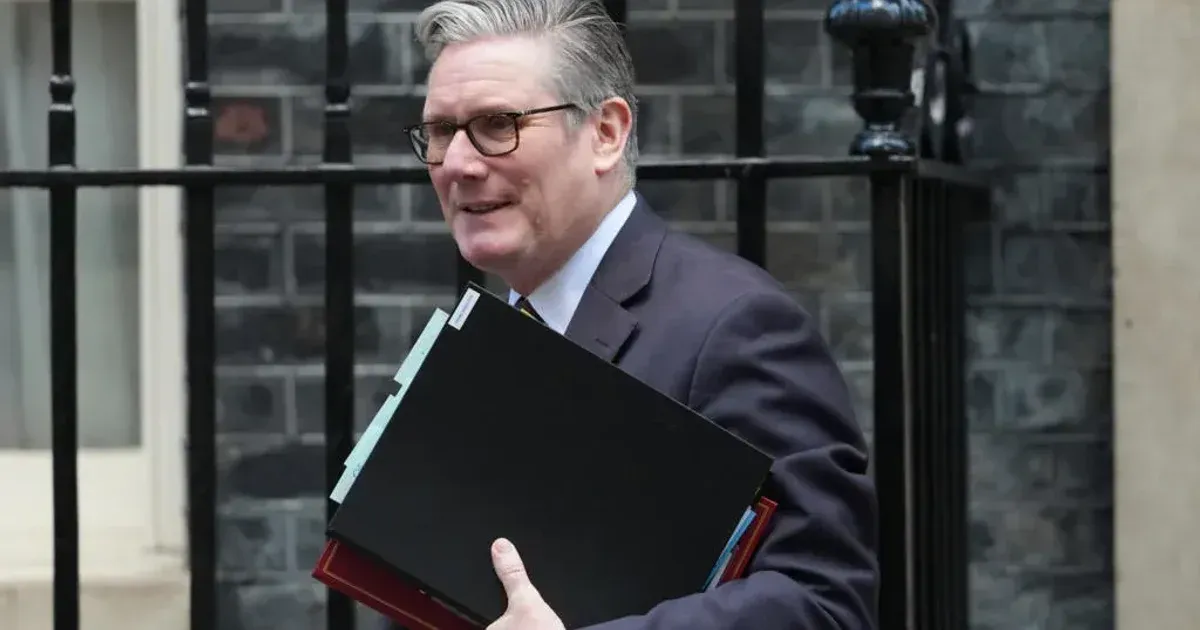
The UK vote is a midterm-style test for Starmer rather than a general election. Labour enters the contests with national power but local vulnerabilities. Opponents are trying to turn council and regional races into a verdict on the government's first stretch. On May 7, 2026, the contests gave voters an early chance to judge Labour's performance. Keir Starmer faces the largest electoral test of his premiership as voters cast ballots across England, Scotland and Wales. Polls opened on May 7 for local council races, mayoral contests and devolved parliament elections that will show whether Labour's national majority is translating into local confidence.
The stakes are high without being automatic. A poor Labour performance would not remove Starmer from Downing Street by itself, but it could intensify pressure from MPs, mayors and party officials who already worry that the government is losing support on several fronts. That is why the results will be read less as a simple local verdict than as an early judgment on whether Starmer can still hold together Labour's 2024 coalition.
Reform UK, the Greens, the Liberal Democrats and nationalist parties are all trying to exploit dissatisfaction with the two-party system. AP described the vote as a midterm test that could deliver a heavy blow to an embattled prime minister, while British outlets framed the contests as a measure of Labour's durability after nearly two years in office.
Reform and Greens Pull at Labour Base
Nigel Farage's Reform UK is seeking breakthroughs in English councils and in areas where voters have turned immigration, living costs and distrust of Westminster into local campaign issues. Reform does not need to win national power to damage Labour; it only needs to show that it can convert protest support into council seats and mayoral pressure.
The Greens are attacking Labour from a different direction, focusing on climate, public services and voters disappointed by Starmer's cautious governing style. In several urban areas, that challenge matters because Labour has historically relied on progressive voters who may now feel less tied to the party brand.
This creates a two-sided problem for Starmer. Moving right to contain Reform can alienate voters tempted by the Greens. Moving left to recover those voters can strengthen Reform's argument that Labour is out of touch with public anger on borders, taxes and local services.
Scotland and Wales Add Devolved Pressure
Scotland remains a critical test because Labour's revival there has been central to Starmer's wider political story. The Scottish National Party is trying to hold its lead, while Reform hopes to make an unusual breakthrough north of the border. A weak Labour showing would raise doubts about whether the party can rebuild a durable UK-wide coalition.
Wales poses a different danger. Labour has dominated Welsh politics for decades, but Plaid Cymru and Reform are both presenting themselves as vehicles for change. If Labour slips badly in the Senedd vote, critics will argue that discontent is not confined to England or to Westminster media cycles.
The devolved contests also matter for the shape of the union. Results in Edinburgh and Cardiff will influence how loudly local governments challenge London on spending, infrastructure and public services. For Starmer, losses there would make national management harder even if his parliamentary majority remains intact.
Labour Dissent Watches the Results
Inside Labour, the immediate question is how party figures interpret the scale of any defeat. Bad local results often create noise without forcing a leader out. But a broad collapse across councils, mayors and devolved contests would give internal critics a stronger argument that the problem is not isolated.
Reports ahead of polling day suggested some Labour figures were already discussing what level of losses would trigger calls for a change. That does not mean a formal challenge is guaranteed. It does mean Starmer needs enough defensible results to argue that the government can recover before the next general election.
The first results will also shape the Conservative Party's position. If Reform and the Greens rise while the Conservatives fail to recover, Britain could look less like a classic two-party battlefield and more like a fractured political map in which Labour loses voters in several directions at once.
What the Vote Could Change
The most important outcome may be psychological. Starmer entered office with a large parliamentary majority, but local and regional elections can strip away the impression of invulnerability. Heavy losses would give opponents a simple argument: Labour can win Westminster and still lose the country between general elections.
For Reform and the Greens, the vote is a test of organization as much as popularity. Polling momentum matters, but council seats and devolved representation require candidates, turnout operations and local trust. If either party turns national discontent into local power, the next phase of British politics becomes harder for Labour to control. Local gains create organizers, council records and media visibility, all of which can become foundations for a larger national challenge.
Starmer's safest result is not a clean win; it is a messy but survivable night that lets him say Labour absorbed midterm anger while keeping enough anchors in key regions. That argument depends on credible bright spots, not only national spin. Anything worse would not end his premiership immediately, but it would make every policy fight inside Labour sharper and every future poll more dangerous. The danger for Starmer is cumulative: a bad night would give critics numbers they can cite long after the last council declaration is counted.