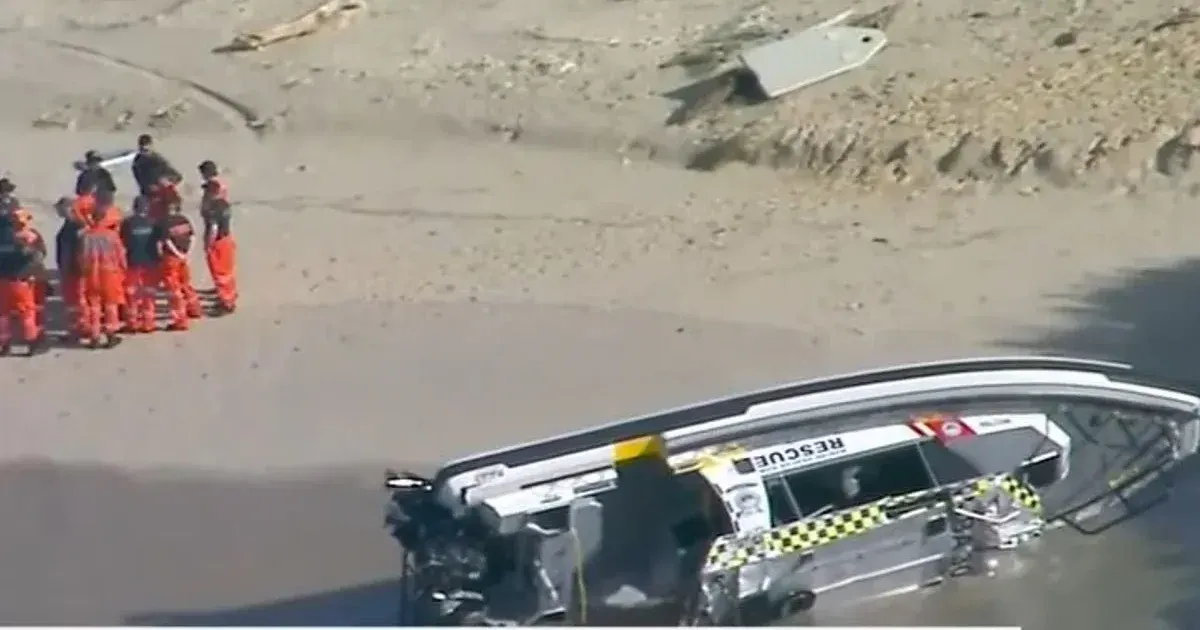
The Ballina rescue deaths have shaken a volunteer service built around dangerous coastal callouts. Marine Rescue NSW crews often respond in conditions that ordinary boaters are trying to escape. This case puts that risk at the center of a fatal incident. Three people died off the New South Wales coast after a Marine Rescue NSW boat capsized while trying to help a yacht in distress. On May 5, 2026, authorities said the rescue crew was responding near Ballina when its vessel rolled in heavy conditions at the Ballina Bar. The Ballina Bar is known for difficult water, and any rescue there can change quickly as swell, current and wind interact. Investigators will likely examine vessel handling, weather conditions and communication between the yacht and rescue crew. Volunteer rescue agencies will also review how crews decide when conditions are too dangerous to continue an approach. That question is difficult because rescue work often begins only after another vessel is already in trouble. The deaths may also affect recruitment for volunteer marine crews. Communities rely on those responders, but the incident shows that unpaid emergency work can carry risks similar to professional rescue operations. That tension will shape the official review and the public mourning. The review may also consider training standards, bar-crossing guidance and whether additional equipment could reduce risk in similar rescues. For coastal towns, the deaths are also a reminder that volunteer rescue capacity is part of local infrastructure, not just emergency charity. State authorities may also examine whether warning systems, tow procedures and bar conditions were communicated clearly before the rescue vessel entered the most dangerous water near Ballina.
The dead included two Marine Rescue NSW volunteers and one person from the yacht they were trying to assist. Police said emergency services were called about 6:15 p.m. Monday after reports that a yacht was in trouble off the South Ballina break wall. A Marine Rescue NSW vessel with six crew members responded and capsized while crossing the bar.
Four people survived and made it to shore or were rescued after the accident, according to Australian reports. The tragedy has left the Ballina unit and the broader marine rescue community grieving while police and maritime authorities begin the formal investigation.
Why the Ballina Bar Is Dangerous
Coastal bars are among the most dangerous places for small rescue craft because river outflows, tides, swell and wind can collide in a narrow channel. The Ballina Bar is a known risk point for vessels moving between the Richmond River and open water. Heavy seas can turn a routine crossing into a rollover threat within seconds.
That risk is exactly why the rescue was so difficult. The volunteers were not heading into calm water; they were crossing a hazardous entrance to reach another vessel already in trouble. The facts released so far show a rescue mission caught in conditions severe enough to overwhelm the response boat itself.
Rescue Conditions
The timing of the emergency also matters. A late-afternoon call, heavy seas and a distressed yacht near a break wall created a narrow decision window for the crew. In such conditions, delay can endanger the yacht, but crossing the bar can endanger the rescuers. That is the operational dilemma the investigation now has to reconstruct.
Marine Rescue NSW performs work that is often invisible until disaster strikes. Volunteer crews monitor radio traffic, track vessels and respond when recreational boaters or commercial operators run into danger. In regional coastal towns, those volunteers often provide the first practical line of maritime emergency response.
Investigation and Community Response
Authorities have not released a final cause for the capsize. Investigators will examine weather, swell, the position of the rescue boat, the condition of the yacht and the sequence of decisions made during the response. A report for the coroner is expected after the evidence is reviewed.
That process should include both technical and human factors. Investigators will need to understand the sea state at the crossing, the information available to the crew, the urgency of the yacht distress call and whether the response plan matched the conditions. A serious inquiry can honor the volunteers while still asking hard questions about risk.
Marine Rescue NSW described the deaths as a devastating loss for the service. Local tributes focused on the volunteers' decision to launch in dangerous conditions to help strangers in distress. That fact should not be lost in the technical investigation. The mission began with a basic rescue purpose: reach a yacht whose occupants needed help.
The third person who died was connected to the yacht, not the rescue crew. That detail matters because the disaster affected both sides of the emergency: those who called for help and those who responded. It also underscores how quickly a marine incident can multiply when conditions deteriorate near a bar crossing.
Marine Rescue NSW units train for difficult water, but a bar crossing in heavy seas is never routine. The incident will likely renew attention on weather thresholds, crew briefings, radio coordination and whether additional professional backup should be required when a distressed vessel sits close to breaking surf.
What Comes Next
The coming inquiry should avoid turning volunteer courage into a substitute for operational scrutiny. Honoring the dead requires a clear account of what conditions crews faced, what warnings were available and whether existing bar-crossing protocols were sufficient for the risk that night.
That does not mean blaming the volunteers. It means recognizing that bravery and safety systems have to work together. Marine rescue services depend on people willing to respond in dangerous water, but the organizations behind them must make sure equipment, training and go/no-go decisions match the conditions they are asked to face.
The best outcome now is a transparent finding that separates unavoidable sea risk from preventable process failure. Families, volunteers and coastal communities need that distinction before the next dangerous rescue call comes in.
The Ballina deaths will now become a reference point for every coastal rescue unit that crosses hazardous bars. If the investigation leads to better risk assessment, clearer deployment limits or stronger support for volunteer crews, it will at least turn a grim loss into a practical safety lesson for the next emergency.