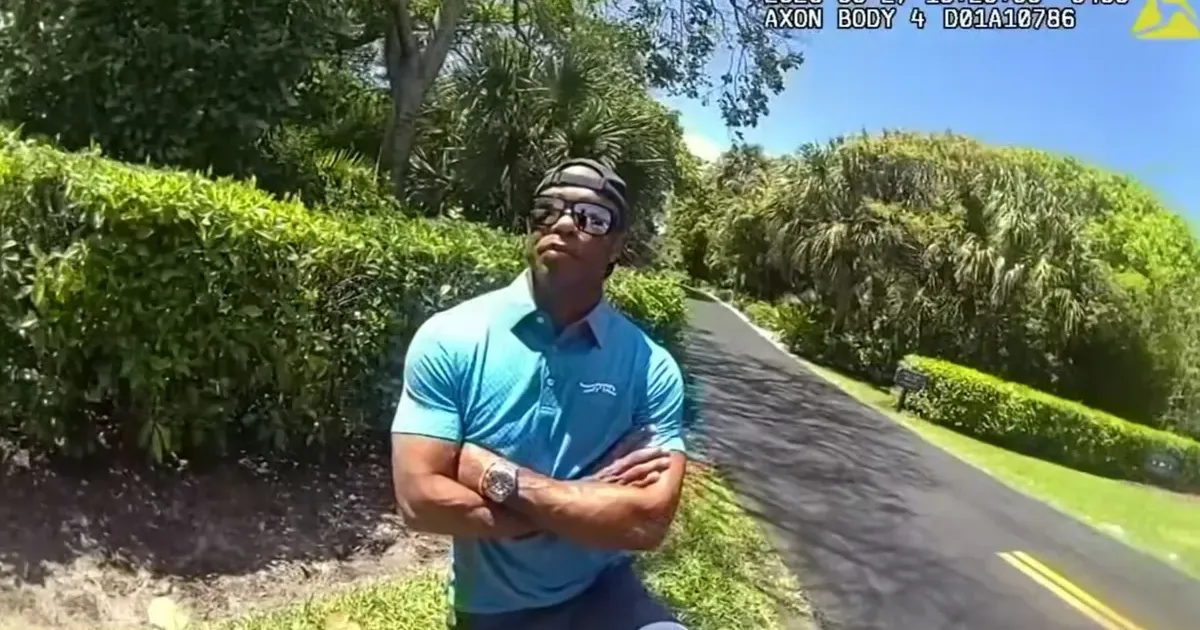
The release of Martin County body-camera footage from Tiger Woods' Florida crash and DUI arrest added public detail to a case that was already receiving intense attention. The video showed deputies responding after Woods' SUV rolled on Jupiter Island and documented parts of the roadside investigation that followed.
The public interest is real. Police footage can show whether officers acted professionally, what they observed and how a high-profile arrest was handled. But the same footage can also turn a legal event into a humiliation loop, especially when the person on camera is famous, visibly vulnerable and still entitled to due process.
Video Clarifies Procedure, Not the Whole Case
Body-camera footage can be powerful because viewers feel as if they are watching the truth directly. The sense of direct truth can mislead. A camera records one angle, one sequence and one stressful moment. It does not replace the full record: reports, test results, witness accounts, legal motions and court findings.
In Woods' case, authorities said the arrest followed a rollover crash, field-sobriety observations and suspected impairment. Reports also noted that alcohol was not detected on a breath test, while other questions involved medication, pills and refusal of further testing. The reported details matter, but they still belong inside a legal process rather than a rush to final judgment.
Florida Transparency Has a Public Purpose
Florida's public-records culture often makes law-enforcement material available faster than in many states. Florida's openness can protect the public by allowing scrutiny of police behavior and agency decision-making. In a celebrity case, it can also reduce suspicion that the person received special treatment.
The release therefore should not be dismissed as voyeurism by default. There is a legitimate civic reason to see how deputies handled the stop, whether they followed procedure and whether the official account matches the recorded encounter.
Transparency Still Needs Restraint
The public purpose of release does not require endless replay of the most embarrassing moments. News outlets can report what the footage shows without turning a roadside arrest into entertainment. Repeating clips of confusion, distress or physical struggle may generate traffic, but it adds little to public understanding after the basic facts are established.
Editorial restraint matters because police footage often captures people at the worst moment of their lives. Fame does not erase privacy, health or dignity concerns. Woods has lived much of his adult life in public, but a bodycam video is not a license to treat a legal case as a character trial.
Legal Risk and Reputation Risk Are Different
Woods faces legal consequences through the court system and professional consequences through sponsors, tournaments and golf institutions. The legal and professional tracks should not be collapsed into one instant verdict. An arrest is not a conviction. Public embarrassment is not proof.
At the same time, reputation consequences are not imaginary. Woods' history, injuries, medications and public role in golf make the incident commercially and personally significant. The fair standard is to separate confirmed facts from speculation about health, motives or character.
Police Also Benefit From Careful Coverage
A professional roadside response can be undermined if coverage treats the footage mainly as a celebrity spectacle. The point of body cameras is accountability, not ridicule. If agencies release video, they should explain what it shows, what it does not show and what part of the investigation remains pending.
An agency's explanation helps viewers understand why a deputy made a decision and prevents a narrow clip from becoming the whole story. It also protects ordinary people in future cases, because public tolerance for bodycam release depends on whether the material is used for oversight or humiliation.
The Record Should Lead the Coverage
The Woods footage is news because it documents an arrest by a public agency after a crash involving a major sports figure. It should be covered as a public record, not as a downfall performance. The legitimate story is the crash response, the DUI allegation, the release of footage and the legal path ahead.
Everything beyond that needs evidence. Sports institutions should avoid rushed symbolic punishment or rushed public loyalty until the facts are tested. Viewers should remember that a released video is not the entire case. The bodycam matters because it adds evidence, not because it gives the public permission to decide everything at once.