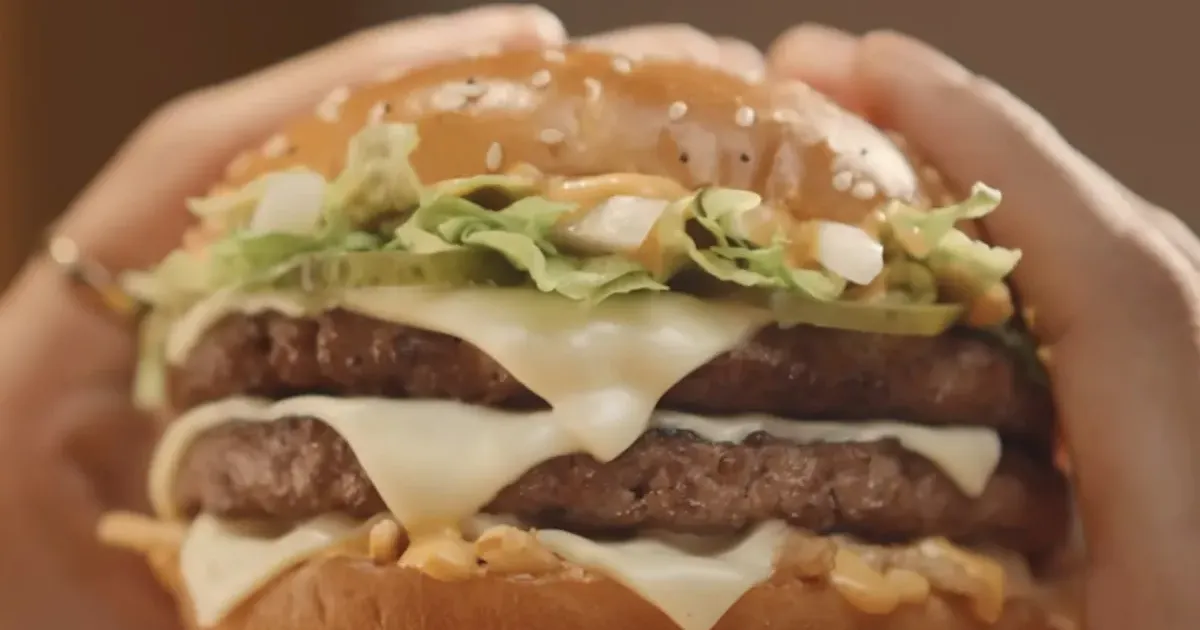
On April 2, 2026, McDonald's executives announced a restructured value menu designed to capture price-sensitive consumers across the United States. This strategic pivot arrives at a moment when fast-food affordability has become a central point of contention for American households. Internal documents and public announcements indicate that the Chicago-based corporation is moving away from fragmented regional deals in favor of a more cohesive national framework. Highlighting this shift is the inclusion of breakfast items and a dedicated tier of products priced under $3. These changes represent a direct response to shifting consumer sentiment and the rising cost of living that has squeezed discretionary spending.
Success for the global burger chain increasingly depends on its ability to balance premium launches with budget-friendly staples. Early data regarding the Big Arch Burger shows that while the product has become a serious hit with diners, its price point remains highly volatile depending on geography. Market analysts at Tasting Table have tracked these fluctuations, noting that the cost of the same burger can vary by several dollars depending on the state of purchase. Regional labor laws and supply-chain logistics appear to be the primary drivers of this price disparity.
McDonald's Big Arch Burger Price Disparities
Diners in high-cost states are currently paying a premium for the Big Arch Burger compared to those in the Midwest or the South. Economic research into franchise operations suggests that higher minimum wages in California and Washington directly influence the final price on the digital kiosk. By contrast, states like Mississippi and Arkansas offer the same menu item at a fraction of the coastal cost. Such variations complicate the brand's attempt to maintain a uniform image across its 13,000 domestic locations. Franchisees often demand autonomy in pricing to preserve profit margins against rising overhead.
Supply chains also matter in determining what a customer pays at the drive-thru window. Proximity to beef processing hubs and distribution centers allows certain regions to absorb inflationary shocks more effectively. Customers in urban centers often face an additional surcharge that reflects the high real estate costs associated with maintaining a physical footprint in cities like New York or San Francisco. The Big Arch Burger is a benchmark for how the company manages these localized pressures. Pricing data shows that the spread between the most expensive and least expensive locations has widened over the last fiscal quarter.
Breakfast Menu Adjustments and Sub-Three Dollar Tiers
Expansion of the value menu into the morning hours indicates a renewed focus on the competitive breakfast daypart. Many consumers had abandoned organized breakfast habits during the transition to remote work, but the return to office routines has renewed this sector. By introducing items priced under $3, the company aims to reclaim market share from regional coffee chains and convenience stores. The new structure includes classic staples like the Sausage McMuffin and various breakfast burritos, ensuring that the lowest price tier is not limited to side items.
Executives believe that a consistent price floor will encourage more frequent visits from younger demographics. Gen Z and Millennial diners have shown a marked preference for customizable, low-cost options that do not require a full meal commitment. This demographic shift has forced a rethink of how value is communicated on the mobile app and in-store menus. Moving specific breakfast items into the sub-$3 category provides a psychological anchor for customers who might otherwise perceive the brand as becoming too expensive. Reliability in pricing is now considered a key metric for customer retention.
McDonald's stated the new value menu aims to provide consistent affordability across all domestic markets while addressing the unique economic pressures facing our franchise partners.
Inflationary pressures have historically forced fast-food brands to abandon the dollar menu concept. While the original $1 price point is no longer sustainable for most franchises, the $3 threshold has become the new industry standard for value. Delish reports that the wallet-ready nature of these deals is a primary draw for families looking to minimize total ticket costs. Maintaining these low prices requires extreme efficiency in kitchen operations and high-volume sales to offset the thin margins on individual items.
Regional Economic Factors Influencing Fast Food Pricing
Labor shortages continue to plague the service industry, forcing many operators to increase wages to attract staff. These increased labor costs are inevitably passed on to the consumer through higher menu prices. In states with tiered minimum wage increases, the price of a Big Arch Burger often climbs in lockstep with legislative changes. This creates a patchwork of pricing that can confuse travelers moving across state lines. A customer might pay $7.49 in one jurisdiction and find the same item for $9.25 just a few miles away.
Real estate taxes and utility costs further worsen these differences. Franchisees in the Northeast face some of the highest operational burdens in the country, which reflects in the premium pricing of their entire menu. Even within a single state, urban and rural locations rarely share the same price list. Corporate headquarters provides suggested pricing, but the final decision often rests with the individual owner-operator. The decentralized model allows the brand to remain flexible but risks alienating customers who expect price transparency.
Corporate Strategy Behind the Value Menu Reset
Reclaiming the narrative around affordability is a top priority for the board of directors. Recent earnings calls have highlighted the risk of being perceived as a luxury brand within the quick-service category. To combat this perception, the 2026 value menu update emphasizes transparency and variety. The goal is to ensure that a family of four can still find options that fit within a traditional budget. Diversifying the value menu to include not simply small burgers and fries is a central component of this strategy.
Aggressive marketing of the sub-$3 tier will likely dominate the company's advertising spend for the remainder of the year. Digital integration through the mobile app allows for personalized discounts that can further lower the effective price for loyal customers. Data gathered from these transactions helps the company refine its regional pricing models in real-time. By tracking which items are most popular at specific price points, the brand can optimize its inventory and reduce waste. Efficiency remains the only way to protect the bottom line while keeping prices low.
Competition from other fast-food giants like Burger King and Wendy's remains fierce. Both competitors have launched their own versions of value platforms to capitalize on the same economic trends. The success of the McDonald's initiative will depend on how well it can scale its supply-chain to meet the demand for these lower-priced items. Volume is the ultimate goal. Selling millions of lower-margin items is preferable to selling fewer premium burgers if it keeps the customer base from migrating to competitors.
The Elite Tribune Strategic Analysis
Corporate benevolence is a myth, and the latest pivot by McDonald's is no exception. The move toward a $3 value tier is not a gift to the working class but a calculated survival tactic. As the gap between the haves and the have-nots widens, the fast-food industry is terrified of losing the bottom 40 percent of its revenue base. The Big Arch Burger, with its erratic pricing, exposes the fraying edges of the franchise model. When a single sandwich costs as much as a sit-down meal in certain states, the brand's identity as a populist icon evaporates.
The inclusion of breakfast in this value reset is a desperate land grab. Morning traffic is the most habitual part of the consumer's day, and the company knows that once a routine is broken, it is nearly impossible to fix. By slashing prices on McMuffins, they are attempting to bribe their way back into the consumer's morning commute. It is a race to the bottom that reveals how little leverage these corporations actually have in a truly inflationary environment.
Expect the $3 menu to be the new $1 menu for the foreseeable future. The era of the true bargain is dead. What we see now is the managed decline of affordability, disguised as a corporate update. Shareholders demand growth, but consumers demand survival. These two forces are on a collision course. McDonald's is simply trying to build a soft enough landing to keep the drive-thru lines moving. Hard reality wins.