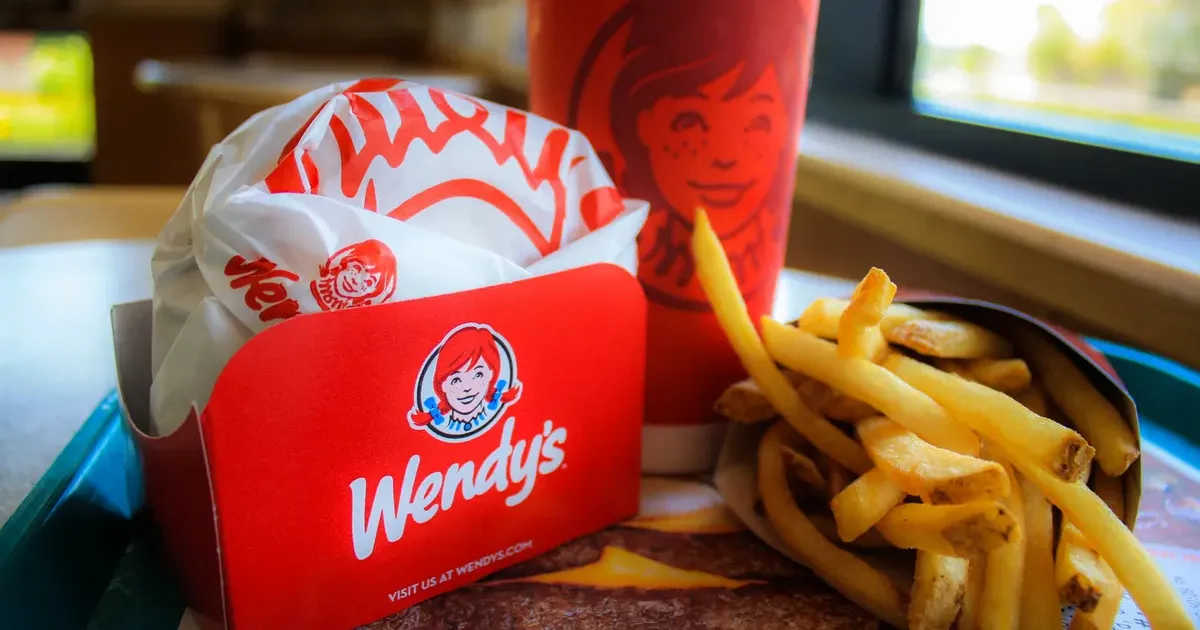
Wendy's corporate leadership confirmed on April 2, 2026, that the Spicy Chicken Sandwich stays the highest-performing poultry item in its multi-decade history. Market data indicates that consumer preferences have reverted to foundational recipes despite a five-year surge in experimental menu cycles across the industry. This specific sandwich, which first appeared in 1995, continues to anchor the brand's premium identity in a landscape saturated with limited-time offerings. Internal revenue projections for the 2026 fiscal year suggest poultry sales will include nearly 40% of the company's total domestic intake.
Consumer loyalty toward the Spicy Chicken Sandwich stems from its unique breading process and heat profile. Unlike competitors who rely on liquid topical applications for spice, Wendy's utilizes a dry-rub seasoning integrated directly into the breading. This technique ensures a consistent flavor distribution across the entire chicken breast. Culinary analysts at $2.3 billion investment firms note that menu stability is becoming a primary driver for institutional growth in the fast-food sector. Investors now prioritize brands that can maintain high margins on core products without requiring constant marketing expenditures.
Wendy's Culinary History and the Spicy Chicken Legacy
Foundational brand decisions made by Dave Thomas in the 1970s prioritized fresh ingredients, a philosophy that eventually led to the development of the poultry line. While the square beef patty is the company's visual trademark, the 1995 introduction of the spicy chicken fillet changed the competitive trajectory of the brand. It allowed the company to capture a younger demographic that sought higher heat levels than those offered by traditional burger chains. Production standards require the chicken to be pressure-cooked, a method that retains moisture while achieving a crisp exterior texture.
Quality is our recipe, a mantra frequently cited by founder Dave Thomas, continue to dictate the assembly line for the poultry division.
Poultry sourcing remains a complex logistical challenge for the Dublin, Ohio-based corporation. Wendy's utilizes whole-muscle chicken breasts rather than restructured or comminuted meat products. Supply-chain reports indicate that the company maintains strict animal welfare standards through a network of domestic poultry suppliers. These suppliers must adhere to specific weight and thickness parameters to ensure even cooking times across 6,000 locations. Reliability is a hallmark of the franchise model.
Market Volatility and the Premium Poultry Segment
Market dynamics shifted sharply after the 2019 competitive surge often described as the chicken sandwich wars. Brands like Popeyes and Chick-fil-A engaged in a high-stakes battle for market share, yet Wendy's maintained a steady growth rate by refusing to alter its core recipe. Financial disclosures from the first-quarter of 2026 show that the Spicy Chicken Sandwich has a 12% higher repeat-purchase rate than newer menu additions. Stability in the recipe prevents the brand from alienating its legacy customer base during periods of inflation. High ingredient costs have forced some competitors to reduce fillet size, but Wendy's has held its four-ounce standard. Managing the poultry supply chain is a critical operational factor for companies like Taco Bell as they enter the chicken market.
Operational efficiency in the kitchen relies on the simplicity of the assembly process. The standard build for the Spicy Chicken Sandwich includes lettuce, tomato, and mayonnaise on a toasted bun. This configuration has not changed in over thirty years. Rebranding efforts in 2023 briefly introduced a honey-based glaze, but customer feedback favored the original dry-spice heat. Loyalty programs show that 65% of frequent diners order the classic spicy option at least twice per month.
Operational Efficiency in High Volume Kitchens
Kitchen staff performance is measured by seconds, and the classic sandwich design enables rapid throughput. Workers can assemble the core chicken items in under 35 seconds during peak lunch hours. Complexity in a menu often leads to errors and increased waste, but the Spicy Chicken Sandwich utilizes ingredients that are already staples across the burger line. Lettuce and tomato are sourced from greenhouse partners to ensure year-round consistency in color and crunch. These greenhouse partnerships cover approximately 100% of the North American supply-chain as of 2026.
Profitability in the fast-food sector is currently under pressure from rising labor costs. Wendy's has countered this by integrating automated ordering kiosks that highlight classic items. Data suggests that kiosk users are 15% more likely to choose a known legacy product than a new promotional item. The preference helps the company manage inventory with greater precision. Predictable demand reduces the need for refrigerated storage expansion. The classic sandwich is the most efficient asset on the menu.
Comparative Analysis of Modern Fast Food Menus
Rival chains have attempted to replicate the success of the Wendy's recipe by introducing habanero and ghost pepper variants. Most of these attempts have failed to achieve permanent status on national menus. The heat level in the Wendy's classic is calibrated to sit at the midpoint of the Scoville scale, making it accessible to a broad audience. Analysts believe that extreme spice levels are a niche market that cannot sustain the volume required for a global franchise. Consistent flavor profiles build long-term brand equity. Customers expect the same taste in London as they do in Los Angeles.
Sustainability initiatives are now influencing the way these sandwiches are packaged. Wendy's transitioned to 100% recyclable foil wraps in early 2026 to reduce plastic waste. Consumer surveys indicate that eco-friendly packaging is a secondary but growing factor in brand selection among Millennials. The shift did not affect the temperature retention of the chicken fillets. Heat retention is essential for delivery orders, which now account for 22% of total transactions. High-quality poultry holds its texture better than beef during the 15-minute delivery window.
The Elite Tribune Strategic Analysis
Corporate innovation in the fast-food industry is a graveyard of failed gimmicks and overpriced seasonal distractions. Wendy's dominance with a thirty-year-old chicken sandwich exposes a harsh reality that most marketing departments refuse to acknowledge: consumers do not want novelty, they want reliability. The relentless pursuit of the next viral food trend is a symptom of brand insecurity. Companies that constantly rotate their menus are essentially admitting that their core products are not strong enough to survive without a marketing crutch.
Investors should be wary of any fast-food entity that focuses its capital on celebrity collaborations or laboratory-grown protein alternatives. Wendy's succeeds because it understands the psychology of the American palate, which is fundamentally conservative and driven by nostalgia. The Spicy Chicken Sandwich is not just a meal; it is a predictable constant in a volatile economy. Any move to revolutionize this recipe would be a catastrophic tactical error. Perfection, once achieved in 1995, should be protected instead of disrupted. Stick to the spices that work. The market has spoken, and it prefers the classics.