Retailers across the United Kingdom and United States observed on April 02, 2026, that consumers are increasingly turning to shelf-stable milk and root vegetables to offset rising fresh produce costs. Global logistics data indicates a 14% surge in shipments of sweetened Condensed Milk during the first quarter. Home cooks now prioritize ingredients with multi-week shelf lives. Demand for carrots rose by 22% compared to the previous spring. Market analysts correlate this shift with a broader movement toward household resource management.
Dairy producers in America report a pivot from liquid milk processing to canned production to satisfy these changing habits. Supermarkets now stock larger volumes of shelf-stable items in primary aisle displays. Households increasingly view these items as essential fuel. Grocery Markets struggle to keep up with the erratic spike in carrot consumption. Logistics providers adjusted shipping schedules to accommodate heavier, denser freight.
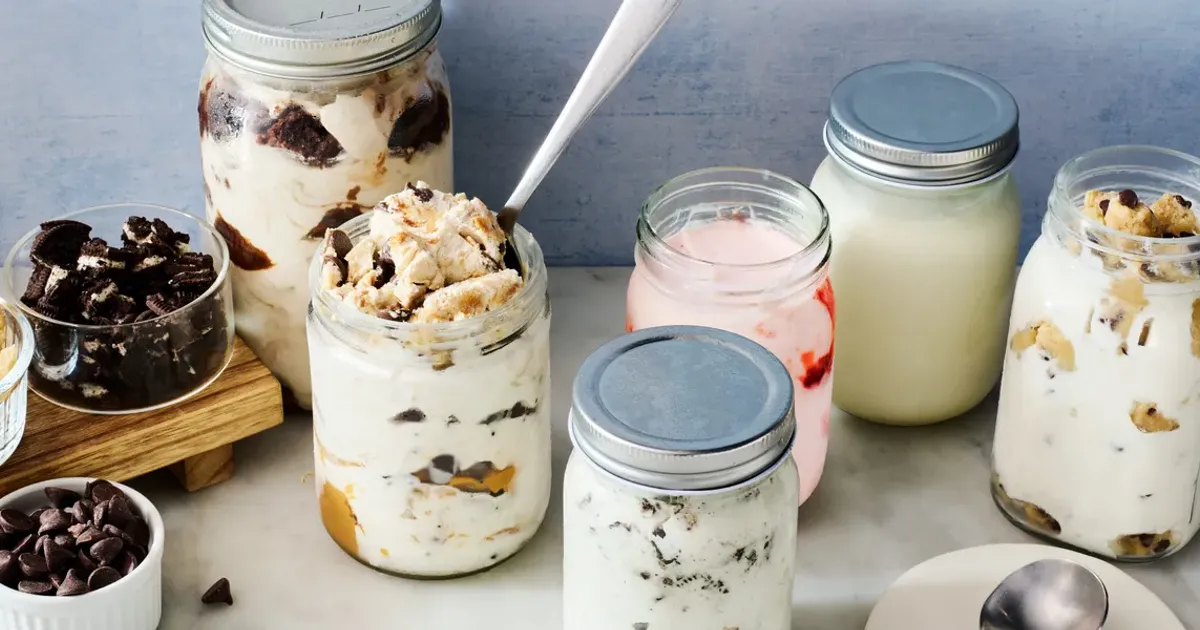
Culinary shifts often mirror economic realities. Delish editors identified 37 distinct methods for using a single can of milk, ranging from mason jar ice cream to savory marinades. Root vegetables like the carrot are being rethought in 31 different spring recipes. Innovations in home cooking emphasize zero-waste principles. Consumers are extracting value from every ounce of stored inventory.
Condensed Milk Market Growth and Applications
Sweetened milk products provide a shelf life exceeding two years, making them ideal for modern pantry loading. Processing facilities in Wisconsin and New Zealand increased output by 18% to match global demand. Industrial buyers use the product for mass-scale confectionary production. Domestic users primarily seek the ingredient for convenience in baking. The average retail price for a 14-ounce can rose to $2.45 in major urban centers.
Versatility drives the sustained popularity of this dairy staple. Home cooks use it for fudge, pie fillings, and Thai-style iced coffee. Cold-brew enthusiasts use it as a stabilizer in high-volume batches. 37 distinct application methods allow a single can to serve as a base for multiple meals. Many families now use it as a primary sweetener to avoid refined sugar spikes.
"Never waste it again," stated an editorial representative from Delish regarding the utility of condensed milk in modern kitchens.
Innovative recipes include three-ingredient ice cream and slow-cooker caramel. These methods bypass the need for expensive heavy cream or specialized kitchen equipment. Smaller households find the portion sizes manageable for weekly meal prep. Storage requirements are minimal since the product is shelf-stable until opened. Canned dairy remains a staple in emergency preparedness kits. Broader trends in March produce availability reflect the same supply chain logistics and inflation pressures identified by our analysts.
Carrot Supply-chain Stability Drives Seasonal Recipes
Agricultural yields in California and East Anglia remained stable despite erratic weather patterns in early 2026. Stability in the Carrot supply-chain contrasts with the volatility of leafy greens and berries. Bulk pricing for root vegetables dropped by 4% in March. This encouraged Grocery Markets to promote carrots as a primary spring ingredient. Buyers responded by purchasing multi-pound bags for diverse culinary use.
Spring recipes often feature the vegetable in unconventional formats. Chefs are now experimenting with carrot margaritas and savory carrot steaks to appeal to plant-based diners. Delish documented 31 ways to prepare the root, including crispy parmesan ranch smashed carrots. Smashed preparations increase surface area for browning. The high sugar content in carrots allows for deep caramelization during roasting.
Nutritionists highlight the high beta-carotene and fiber content in these hardy vegetables. Long-term storage in cool, dark environments preserves nutritional integrity for up to three months. Consumers are moving away from pre-cut varieties to whole roots to extend freshness. Commercial juicers increased their carrot intake by 30% to support functional beverage lines. Fresh carrot juice is a base for several new botanical cocktails.
Inflationary Pressures and Home Cooking Habits
Rising food prices pushed 12 million more households toward bulk pantry stocking. Financial reports from major supermarket chains show a 9% decline in luxury snack sales. By contrast, staples like rice, beans, and Condensed Milk saw record volume growth. Families are cooking at home five nights a week on average. This is a return to domestic-centric dining habits seen a decade ago.
Resourceful cooking focuses on stretching high-calorie ingredients. A single can of sweetened milk can provide the base for two desserts and three mornings of coffee creamer. Carrots provide volume and texture to soups, stews, and salads for less than a dollar per pound. Economic necessity drives the adoption of these 31 and 37 recipe sets. Kitchen waste decreased by 15% as consumers learned to use every scrap.
Technological tools now assist in inventory management for the average home cook. Apps tracking pantry expiration dates suggest recipes based on what is currently in the cupboard. Algorithms often prioritize carrots and canned milk due to their ubiquity. Grocery stores launched loyalty programs specifically targeting bulk buyers. These programs offer discounts on cases of canned goods. Inventory turnover for these items reached a five-year high in late March.
The Elite Tribune Strategic Analysis
Does the sudden obsession with shelf-stable staples expose a middle class unable to afford fresh protein? Data shows that while culinary media portrays the rise of condensed milk and carrots as a creative renaissance, it is a transparent survival mechanism against persistent food inflation. Consumers are not making carrot margaritas because they prefer them to traditional spirits. They are making them because root vegetables are one of the few items where the price per ounce has not tripled. The promotion of 37 ways to use a single can of milk is a manual for austerity disguised as a lifestyle trend.
This shift indicates a structural change in how grocery markets will operate throughout the rest of 2026. We should expect retailers to decrease floor space for perishable items while expanding the dry goods sections. Freshness is becoming a luxury tier rather than a standard expectation for the average shopper. If the dairy industry continues to prioritize canned output over fresh supply, the logistical landscape of food distribution will fundamentally consolidate around shelf-life instead of nutritional peak. The middle class is being slowly conditioned to accept a diet that is preserved, canned, and engineered for longevity. It is a bleak culinary future.