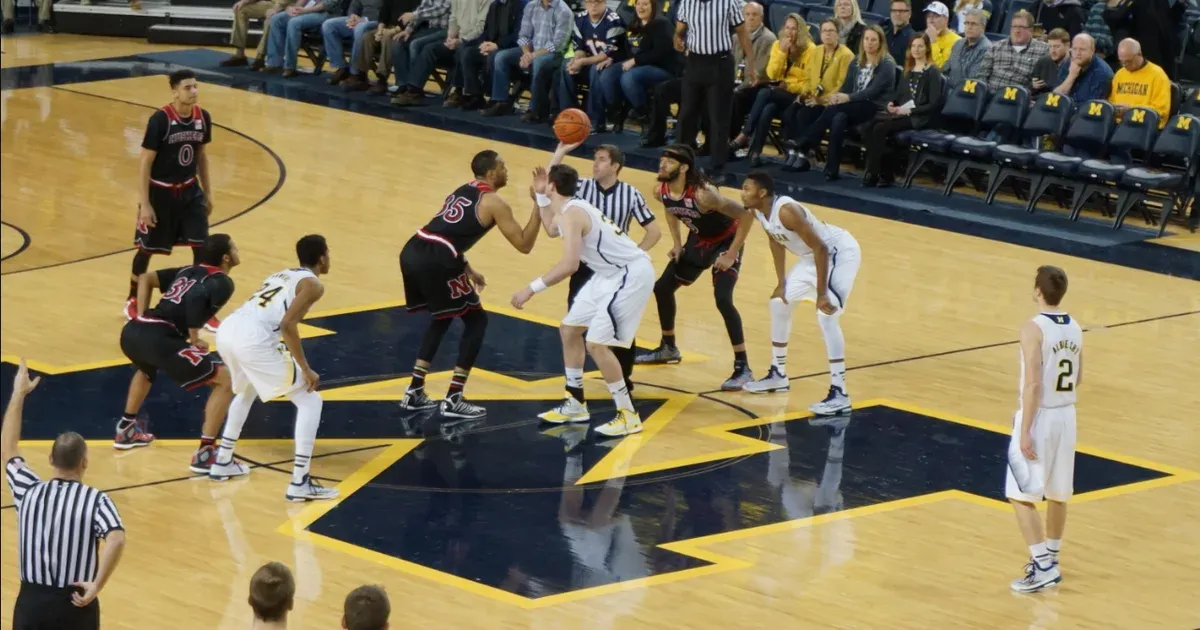
Michigan ended UConn's title defense with a 79-76 win in a national championship game that turned on late execution, disputed whistles and defensive control. The April 7, 2026, result also triggered a financial footnote: head coach Dusty May was due a $1 million performance bonus after completing the run.
The Wolverines won the trophy, while the Huskies left with questions about how the closing minutes were called. The sporting story is still the title, but the aftermath now includes officiating review, coaching value and what UConn does after a narrow miss.
Officiating Controversy at the NCAA Final
Referees faced immediate scrutiny from the UConn sideline during the second half of the championship game. Several calls involving illegal screens and block-charge transitions drew the ire of the Huskies coaching staff. Dan Hurley was seen multiple times gesturing toward the officiating crew, demanding explanations for whistles that seemed to disproportionately impact his starting lineup. One specific sequence involving a late-game turnover led to a heated verbal exchange between Hurley and the lead official near the scorer's table.
Television replays provided multiple angles of the disputed plays, yet the outcomes remained unchanged. Critics of the officiating argued that the flow of the game was disrupted by excessive intervention in the final four minutes. Michigan players, meanwhile, took advantage of the resulting free-throw opportunities to extend their lead. Hurley addressed these moments in his press conference, suggesting that certain decisions altered the tactical approach his team had prepared for the final stretch. Evidence from the broadcast suggested that the tension on the court reached its peak when a non-call on a Karaban drive resulted in a fast break for the Wolverines.
Financial Stakes of the National Championship Game
Financial implications of the loss extended beyond the trophy case and into the bank accounts of the coaching staff. Dan Hurley missed out on a $500,000 contract bonus that was specifically tied to winning the national title. This incentive structure is common in elite collegiate contracts, where base salaries are supplemented by substantial performance-related milestones. The loss of the half-million-dollar payout is a concrete reminder of the high-stakes nature of modern collegiate athletics.
Contracts for top-tier coaches like Hurley are often loaded with these escalators to align their personal success with the institution's goals. National championship bonuses are typically the largest single incentives available in these agreements. Losing the game meant that Hurley only collected the bonuses associated with reaching the Final Four and winning the conference title. Financial records for the university indicate that the athletic department had budgeted for the potential payout, which will now stay within the program's general fund.
Officials often face high levels of pressure in championship environments, but the consistency of the whistles became a central talking point for the disappointed UConn fans. The coaching staff refused to blame the loss entirely on the officiating, though their body language told a different story. Dan Hurley noted that while his team had to play better, the circumstances of the game were difficult to navigate. Michigan supporters celebrated as the officiating crew exited the floor under a barrage of noise from the traveling Connecticut contingent.
Public interest in coaching salaries has intensified as the revenue generated by the NCAA tournament continues to climb into the billions. The $500,000 figure represents more than the annual salary of many professors at the same university. Hurley, who has already secured substantial wealth through his base contract and previous championship runs, appeared less concerned with the money than the outcome on the court. Reporters asked about the bonus, but the coach redirected the conversation toward the performance of his players. Michigan's victory also triggered various incentives for their own coaching staff, highlighting the enormous financial pivot points tied to a single forty-minute game.
Alex Karaban confirmed through his emotional post-game reaction that his time in a Huskies uniform has come to an end. The forward has been an essential part of the rotation, providing veteran leadership and outside shooting that defined the program's recent success. His goodbye to the fans in the arena was filled with gestures of gratitude, even as the disappointment of the loss lingered. Karaban is expected to transition into professional basketball, with scouts from multiple NBA teams monitoring his performance throughout the tournament.
Scouting reports often highlight his basketball IQ and his ability to operate within a complex offensive system. His departure leaves a major void in the UConn roster that Hurley will need to fill through the transfer portal or high school recruiting. Karaban averaged double figures in scoring throughout his final season, proving to be a reliable option in clutch situations. The bond between the player and the program was evident in the way his teammates rallied around him after the final buzzer.
One Title, Several Aftershocks
Michigan can celebrate a title that required discipline under pressure. A controversial ending does not erase the work that produced the lead, the defensive stops or the late free throws. The aftershock is that championship games do not end cleanly when the losing side believes the whistle shaped the finish. UConn's frustration will stay attached to the result, but Michigan owns the trophy and the roster proof that its rebuild reached the top.