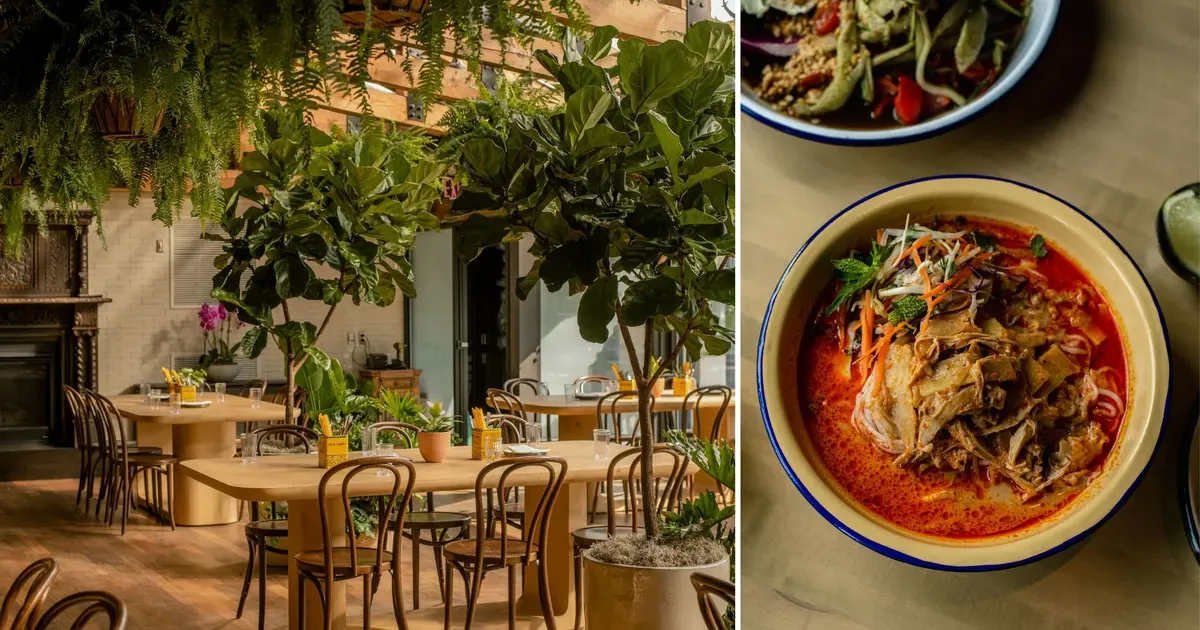
That week, patrons were filling tables in the North Loop and along Lake Street, signaling a departure from the empty corridors seen during two months of civil unrest. Revenue figures for the first-quarter of 2026 indicate a 12% increase in taxable dining sales compared to the previous year. By March 30, 2026, dining rooms in Minneapolis were showing signs of a durable rebound. Hennepin County economic reports confirm that hospitality employment has reached its highest level since 2019. The rebound also depends on whether downtown traffic becomes a weeknight habit rather than a temporary burst of interest. Restaurants need office workers, visitors and local diners to return often enough to support staffing and rent. The recovery story also has a civic dimension because restaurants often reveal whether a downtown is functioning after office disruption, safety concerns or tourism swings. Full dining rooms can signal confidence before broader economic data catches up. That makes restaurant traffic a useful early signal for whether the city’s social and commercial routines are actually recovering.
Minneapolis Culinary Economy Faces New Reality
Restaurateurs faced immediate challenges during the early weeks of the year when foot traffic plummeted across the metropolitan area. Property damage and safety concerns forced dozens of establishments to reduce hours or shutter temporarily. Instead of yielding to these pressures, many operators pivoted to community-focused models that prioritized neighborhood security and localized supply chains. Weekly transaction volume at independent cafes rose by 8% between February and March 2026.
City officials initiated several grant programs to enable repairs and encourage the reopening of storefronts. These financial injections focused heavily on the 4th and 5th Ward corridors where the disruption was most acute. Records from the Minneapolis Department of Community Planning and Economic Development show that $4.2 million was distributed to small hospitality businesses in a 60-day window. Business licenses for new ventures also saw a surprising uptick in the same period.
Investment continues to flow into the city's urban core despite the recent instability. Real estate developers have not backed away from planned mixed-use projects that rely on ground-floor retail and dining anchors. $2.4 billion in pending construction permits remains active within the downtown improvement district. Market analysts attribute this persistence to the long-term reputation of the Twin Cities as a premier food destination.
Cultural Diversity Drives Minneapolis Menu Innovation
Global flavors provide the backbone of the city's current culinary surge. Somali entrepreneurs in the Cedar-Riverside neighborhood report a steady stream of returning customers who view communal dining as an essential part of the healing process. These establishments often act as informal community centers where residents gather to discuss local policy and social issues. One owner noted that weekend wait times have exceeded 45 minutes for the first time this year.
Hmong chefs in the Frogtown area and North Minneapolis are introducing menus that blend traditional techniques with locally sourced Midwestern ingredients. This stylistic evolution has caught the attention of the James Beard Foundation, which recently shortlisted three local chefs for national honors. Critics argue that the strength of the Minneapolis scene lies in its refusal to adhere to coastal trends. Regional sourcing from Minnesota farms has decreased overhead costs by 15% for several mid-sized restaurants.
The vitality of our small businesses constitutes the foundation of urban stability, stated a spokesperson for the Minneapolis Department of Community Planning and Economic Development.
Indigenous culinary traditions have also seen a resurgence through high-profile ventures that prioritize pre-colonial ingredients. Sean Sherman, a leading figure in the local movement, continues to advocate for food sovereignty as a tool for economic empowerment. His influence persists through several new non-profit kitchens that opened after the recent unrest. These sites serve over 5,000 meals weekly to food-insecure populations in the city.
Lake Street Recovery Efforts Support Local Chefs
Lake Street is the primary artery for the city's diverse small business community. Efforts to rebuild this corridor have focused on maintaining the character of the neighborhood while improving physical infrastructure. Foot patrols and lighting enhancements have contributed to a 20% increase in evening pedestrian activity over the last month. Local business associations credit these detailed improvements with the return of suburban diners.
Pop-up markets and outdoor food festivals are scheduled to begin in late April to capitalize on the rising consumer confidence. Organizers have already secured 100% vendor participation for the upcoming Lake Street Food Fair. Similar events in the past have generated over $500,000 in single-day revenue for participating stalls. Early ticket sales suggest that attendance could break previous records set in 2024.
Supply-chain reliability is still a concern for many smaller operations. Escalating costs for specialized ingredients imported from East Africa and Southeast Asia have forced some menu price increases. Owners are reducing these costs by forming purchasing cooperatives to leverage better wholesale rates. The first such cooperative launched on March 15, 2026, with twenty founding member restaurants.
Diners seem willing to pay a premium for quality and community impact. Average check sizes have climbed to $42 per person, a 6% increase from late 2025. Consumer surveys indicate that 70% of Minneapolis residents feel a moral obligation to support local eateries during the recovery phase. Reservation platforms report a surge in bookings for large groups and private events through the summer months.
Restaurant Recovery Signal
The return of diners suggests Minneapolis is rebuilding more than receipts. Restaurants are acting as neighborhood anchors, but recovery still depends on staffing, safety and sustained local spending.