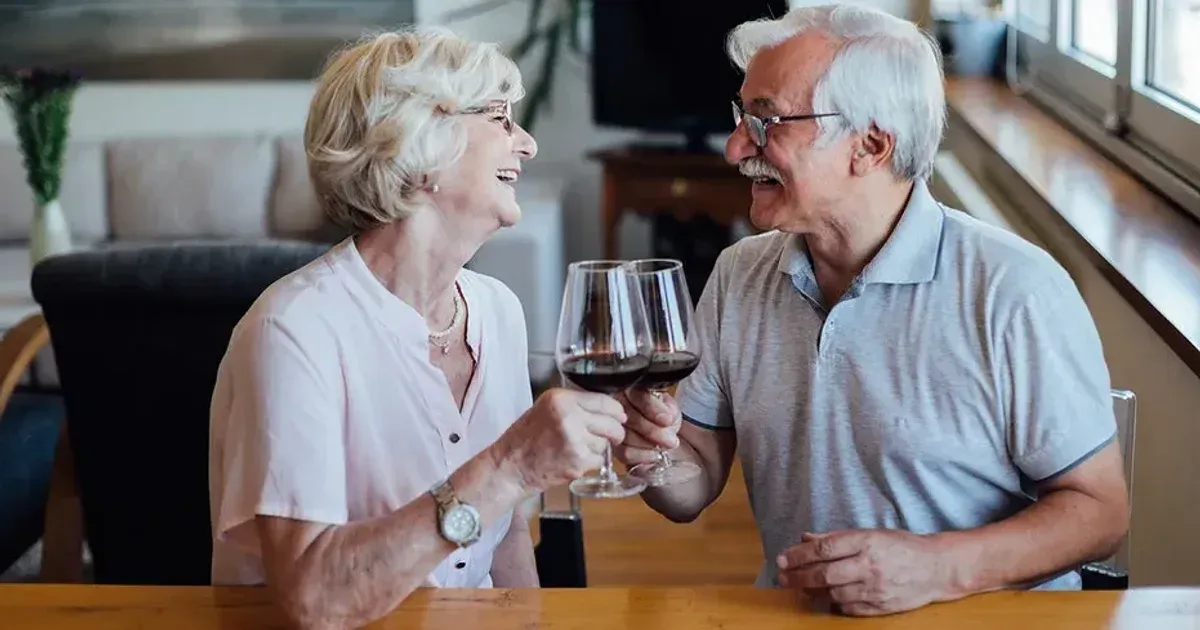
Minnesota’s new “Grandparents’ Happy Hour” law removes liquor-license barriers that had prevented nursing homes from serving alcohol at communal events. Tim Walz, the governor of Minnesota, finalized a legislative overhaul on April 22, 2026, that effectively dismantles the regulatory barriers preventing nursing home residents from hosting communal social hours with alcohol. Known colloquially as the Grandparents’ Happy Hour law, this measure allows assisted living facilities and nursing homes to serve beer, wine, and spirits without obtaining a traditional, expensive liquor license. Walz signaled his approval of the bill through a public statement, emphasizing that moving into a care facility should not require the total forfeiture of personal liberties or everyday social norms.
Older residents across the state had long complained about the sterile environment of care facilities, where even a glass of wine with dinner required navigating a maze of local permits.
State records indicate that prior regulations treated senior living centers with the same scrutiny as commercial bars or industrial venues. Removing these hurdles became a priority for advocates who argued that the previous system infantilized the elderly. Critics of the old law pointed out that while residents could technically keep private stashes of alcohol in their rooms, organized social gatherings were strictly prohibited from serving it without professional licensing. This disparity often led to a sense of isolation among residents who wished to socialize in common areas. Minnesota has finally acknowledged that age does not negate the right to a cocktail.
Anita LeBrun, an 88-year-old resident of an assisted living facility, became the central figure in the push for this legislative shift. Her testimony before the House Commerce, Finance and Policy Committee last month connected with lawmakers on both sides of the aisle. LeBrun described the deep social value of sharing a drink with peers, noting that such moments allow seniors to bond over shared histories and personal milestones. She argued that living in a state-monitored facility should not result in a reduction of basic freedoms that other adults take for granted. Her viral advocacy provided the emotional momentum needed to push the bill through the legislative session with surprising speed.
"My friends and I love happy hour, just like many of you do, I am sure," LeBrun said before the House Commerce, Finance and Policy Committee.
Legislative Shifts in Minnesota Liquor Licensing
Legal experts suggest the new law is one of the most important updates to state alcohol policy in recent years. Beyond nursing homes, the bill provides a broader update to liquor laws that impact various municipalities and public institutions. Certain cities now possess the authority to issue specialized licenses that were previously caught in a bottleneck of state-level bureaucracy. Small businesses and niche venues stand to benefit from these eased restrictions, which aim to modernize a system that many viewed as antiquated. The complexity of the previous code often discouraged small-scale social initiatives within specialized residential settings.
Facility managers are now tasked with implementing the new rules while maintaining safety standards. Under the law, any staff member responsible for serving alcohol must be at least 18 years old. This age requirement ensures that while the service is deregulated, it remains within the boundaries of existing labor and liability laws. Management teams must also develop protocols to ensure residents do not overindulge, balancing the newly granted freedom with the health requirements of a vulnerable population. Facilities hold the primary responsibility for monitoring intake and preventing any negative interactions with medication or existing health conditions.
Legislators who supported the bill highlighted the economic relief it provides to care providers. Liquor licenses in Minnesota can cost thousands of dollars and require extensive administrative upkeep. By exempting nursing homes from this specific requirement, the state allows these facilities to reallocate funds toward resident activities and social programs. Smaller assisted living centers, in particular, had previously found the cost of licensing to be a prohibitive barrier to hosting regular social events. Now, these centers can organize "happy hour" events with minimal overhead, focusing on the social cohesion of their resident populations.
Resident Advocacy and Personal Autonomy
Autonomy is rarely granted without a fight. LeBrun told a state Senate committee that the golden phase of life should be celebrated rather than only managed by health professionals. Her perspective challenged the traditional medical model of senior care, which often prioritizes physical safety at the expense of psychological well-being. By allowing alcohol in communal settings, the state is validating the adult status of its oldest citizens. Proponents argue that the ability to make small, everyday choices, like choosing a drink at a social hour, contributes sharply to the cognitive health and morale of residents.
Reminiscing about military service or the loss of a friend over a drink provides a sense of continuity for many seniors. LeBrun emphasized that these social rituals are an essential part of the human experience. Lawmakers found it difficult to argue against the logic that a person who has lived eight or nine decades is capable of managing their own alcohol consumption. The viral nature of the testimony ensured that the public remained engaged with the progress of the bill. It shifted the conversation from a technical licensing debate to a broader discussion about human rights in aging.
Institutional life can often strip away the markers of adulthood. Standardized schedules, communal dining, and rigid rules create an environment that feels more like a dormitory than a home. Introducing the option for a happy hour mimics the social structures residents enjoyed for decades before moving into care. This change is less about the alcohol itself and more about the restoration of a familiar social architecture. Residents can now host guests or neighbors in a way that feels natural and dignified. The focus remains on the quality of life within the walls of these institutions.
Institutional Expansion of Alcohol Service
University of Minnesota facilities are also included in the broader scope of this legislative package. The new law eases rules for certain businesses and institutions associated with the university, allowing for more flexible alcohol service during events. The expansion reflects a growing trend in state policy toward reducing the friction associated with hospitality and social gatherings. While the nursing home provisions received the most media attention, the university-related updates will have a large impact on campus events and alumni gatherings. Municipalities across the state are reviewing their own codes to align with these new state-level permissions.
City officials in several jurisdictions have expressed interest in using the new licensing powers granted by the bill. Some cities had previously been restricted by hard caps on the number of licenses they could issue or the types of businesses that qualified. By loosening these constraints, the state is empowering local governments to respond more effectively to the needs of their business communities. The decentralization of authority is a key component of the broader reform strategy favored by the current administration. Local control allows for more tailored oversight based on the specific needs of a community.
Safety Compliance and Regulatory Oversight
Health officials have raised minor concerns regarding the intersection of alcohol and geriatric medicine. Staff training will be essential to identify signs of overconsumption or adverse reactions. While the law removes the licensing burden, it does not remove the duty of care that facilities owe to their residents. Most nursing homes already have medical staff on-site, providing a layer of safety that is not present in typical bars or restaurants. The existing infrastructure makes nursing homes a relatively controlled environment for alcohol consumption. Careful monitoring will be necessary to ensure that the new freedom does not lead to an increase in falls or medical emergencies.
Public health data will likely track the impact of these changes over the coming years. Proponents expect to see an improvement in resident satisfaction scores and a decrease in reports of social isolation. If the program proves successful in Minnesota, it may serve as a template for other states looking to modernize their senior care regulations. The balance between freedom and safety is a constant tension in public policy. Minnesota has taken a clear side in this debate by prioritizing the autonomy of its seniors. The focus now shifts to the individual facilities as they begin to draft their internal happy hour policies.
Alcohol Reform Tests Resident Autonomy
Bureaucratic control over the private habits of the elderly is a quiet indictment of the modern care model. For years, the state of Minnesota treated residents of nursing homes as effectively wards of the state, stripping them of the mundane social liberties that define adult life. The legislative correction, while framed as a minor update to liquor laws, is actually a sharp rebuke of the risk-aversion culture that has paralyzed senior care. The notion that an octogenarian requires a state-licensed bartender to enjoy a glass of wine is both absurd and patronizing. By removing the licensing requirement, Governor Walz is not just allowing a drink; he is restoring a fragment of humanity to a system that has become increasingly clinical.
Insurance providers will likely be the next obstacle. Even as the state removes legal barriers, the threat of liability remains a powerful deterrent for facility administrators. A single fall following a happy hour could result in a lawsuit that outweighs any benefit of resident morale.
We should expect to see facilities implement strict "two-drink" maximums or require residents to sign liability waivers before participating. The state has provided the freedom, but the private sector may still use the excuse of safety to maintain a sterile status quo.
The tension between legislative intent and corporate caution will define the success of the law. Ultimately, the Grandparents’ Happy Hour law exposes the hypocrisy of modern regulation. We allow adults to make self-destructive choices in every other arena of life, yet we suddenly become overprotective the moment they enter a care facility. If a resident has lived through world wars, economic depressions, and personal tragedies, they are certainly qualified to decide if they want a gin and tonic. The state should stay out of the social lives of its citizens, regardless of their age. Minnesota has taken a necessary step, but the fight for senior autonomy is far from over. Autonomy is not a gift from the government; it is an inherent right that should never have been legislated away.