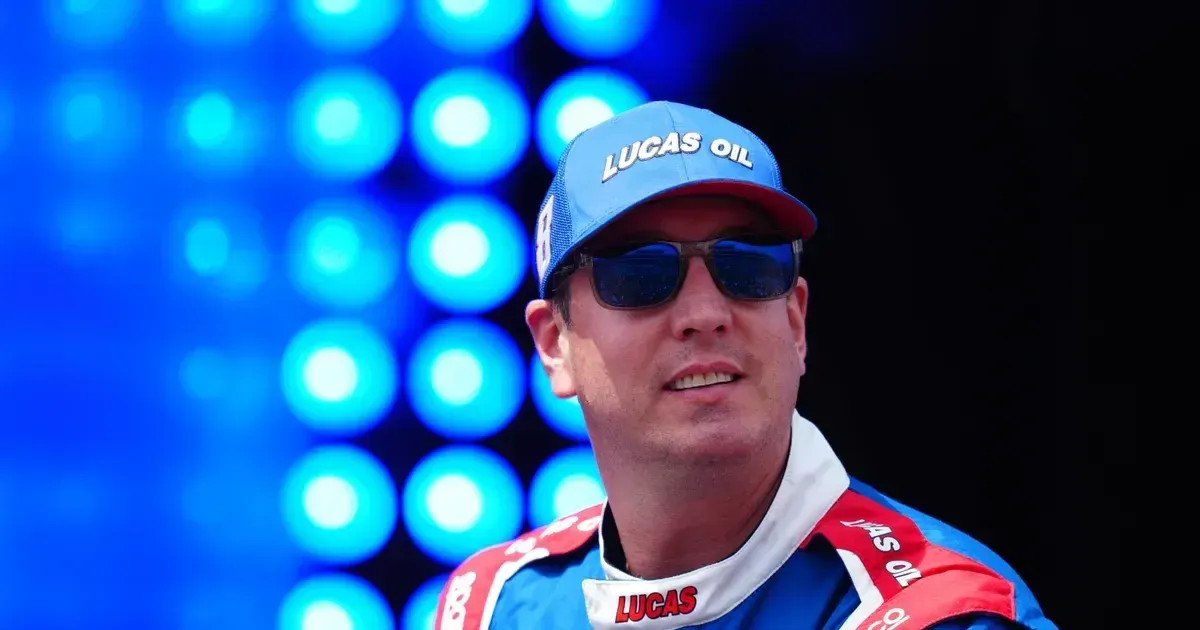
Kyle Busch, the two-time NASCAR Cup Series champion whose aggressive driving style redefined modern stock car racing, has died after a sudden hospitalization. Family members and racing officials confirmed the death following what representatives described as a severe illness. The announcement came on May 21, 2026, as news of his passing quickly reached the racing community in Charlotte, Las Vegas and every major NASCAR garage, where Busch was regarded as one of the most successful competitors in the sport's modern era.
A joint statement from the Busch family, Richard Childress Racing and NASCAR provided the first confirmation. While the specific nature of the illness remains private, the statement indicated that the hospitalization developed rapidly. Richard Childress Racing, the organization Busch joined late in his career, expressed grief over the loss of a driver whose competitive force shaped the Cup Series for two decades.
Record-Breaking Career of a Las Vegas Native
Born and raised in Las Vegas, Busch entered the national racing scene with an intensity that earned him the nickname Rowdy. His talent translated into Cup Series championships in 2015 and 2019, cementing his place among the elite drivers of his generation. Beyond those titles, he achieved a feat that separated him from every other driver in NASCAR history: more total victories across the Cup Series, Xfinity Series and Craftsman Truck Series than anyone else.
Success for Busch was often measured by his relentless pursuit of victory regardless of the stakes. He accumulated hundreds of wins over two decades, often competing in multiple races during a single weekend. His 2015 championship was especially notable because it followed a serious injury early in the season. Winning again in 2019 validated his status as a driver who could turn raw speed, aggression and tactical discipline into long-term dominance.
Busch achieved many of those milestones with Joe Gibbs Racing before moving to the Childress organization. Supporters in his hometown frequently celebrated his rise from local short tracks to national stardom. Critics sometimes viewed his style as abrasive, but even rivals acknowledged the precision and stamina required to win at his pace across so many formats.
Sudden Hospitalization and Public Statements
Representatives for the champion first alerted the public to his condition after he was transported to a hospital for emergency care. Although medical professionals treated the illness, the condition proved fatal within a short period. National outlets reported that the speed of the decline left teammates and competitors stunned. NASCAR officials began coordinating with the family as tributes arrived from drivers, crew chiefs, sponsors and fans.
Richard Childress Racing released a separate memo to employees and partners before the wider public announcement. The document emphasized Busch's dedication to the team and his role as a leader inside the garage. Several veteran drivers expressed condolences through social media, noting that his absence would change the competitive dynamic of the series. The family and team asked for privacy while memorial plans are prepared.
Public tributes are expected in both North Carolina and Nevada, reflecting the two poles of his racing life. Charlotte-area teams knew him as a weekly presence in the garage, while Las Vegas fans saw him as one of the city's most visible sports figures. Professional athletes from other leagues also acknowledged his passing, a sign that Busch's influence extended beyond stock car racing.
The schedule for the next Cup Series events will now carry an emotional weight for teams that spent years racing directly against him. NASCAR is expected to coordinate with tracks, broadcasters and team owners on memorial moments before upcoming races. Those gestures will matter to fans who followed Busch from his earliest national starts through his championship seasons and late-career move to Richard Childress Racing.
NASCAR Legacy After Busch
Professional racing faces a profound identity shift when a figure as dominant as Busch departs the stage. His career extended beyond a collection of trophies and demonstrated the endurance demanded by the modern racing calendar. By competing across three national series, he forced teams and younger drivers to raise their standard of preparation. His presence often served as a draw for television audiences, ticket buyers and sponsors who built campaigns around his combative persona.
Beyond the numbers, his rivalries supplied the narrative tension that sustained the sport for two decades. Fans either backed him fiercely or rooted against him with equal energy, but few treated his races as ordinary. That polarity made him valuable to NASCAR during a period when the series was trying to retain older fans while attracting new audiences.
The vacuum at Richard Childress Racing will require a strategic recalibration as the team looks toward the remainder of the 2026 season. NASCAR must also navigate a future without one of its most polarizing and productive stars. Busch's death closes a chapter defined by high-stakes aggression, historic statistical achievement and a competitive standard that younger drivers will be measured against for years. Tributes from teams, former rivals and broadcasters will now shape how NASCAR frames the next race weekend, especially if memorial plans become part of the pre-race ceremony. The championship record will anchor those tributes.