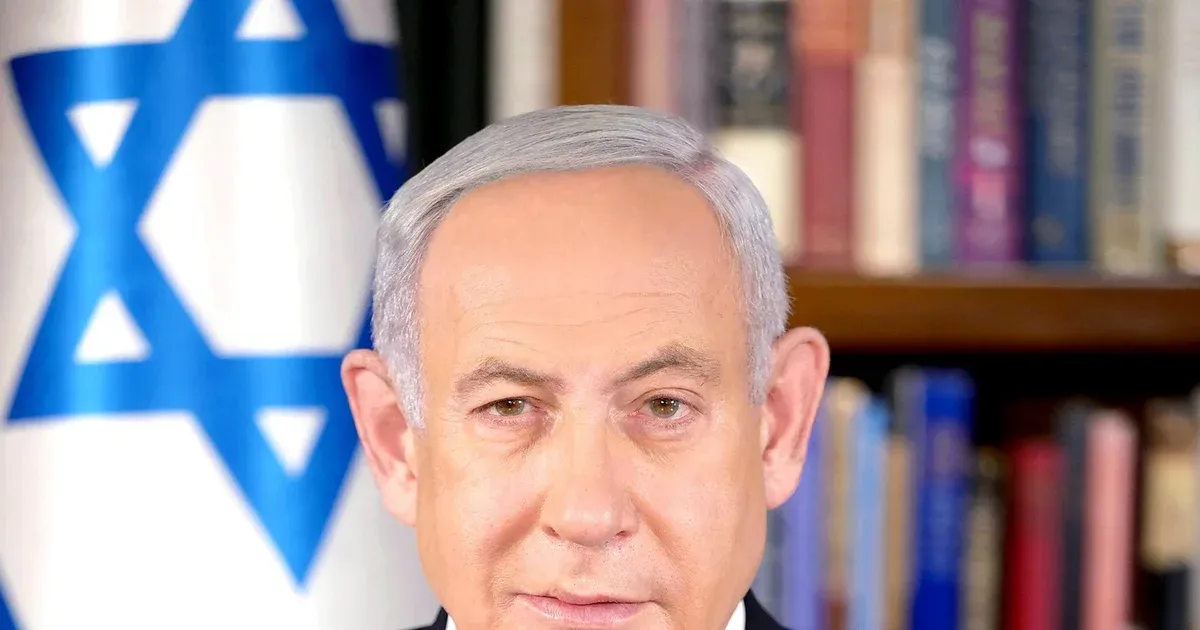
Prime Minister Benjamin Netanyahu signaled a shift in Israeli defense policy by prioritizing direct coordination with the Trump administration over unilateral military expansion. Israeli officials recently adjusted their regional objectives to match the diplomatic preferences of Donald Trump. Six weeks into a direct conflict with Tehran, the initial promise of removing the Iranian existential threat remains unfulfilled. Israeli officials outlined the shift on April 11, 2026.
High-level sources in Tel Aviv confirm that the cost of American backing involves specific constraints on Israeli kinetic actions. National security advisers note that the appetite for an open-ended regional war has diminished in Washington. Coordination with the White House now dictates the pace of operations from Beirut to the Persian Gulf. Success in this diplomatic effort relies on a fragile balance between military pressure and political concessions.
Yaakov Amidror, a former national security adviser who consults with the Prime Minister, provided clarity on the internal logic driving these decisions.
“Since Trump was elected … whenever we can, we coordinate with the Americans. For example, now, to stop attacking Iran, that was the price. But for us, being with the Americans and paying the price along the way was more important than to do it by ourselves,” said Yaakov Amidror.
Israeli strategic planners previously envisioned a total dismantling of Iranian nuclear infrastructure during this window of conflict. Iranian resilience and American reluctance to enter a broader ground war forced a change in expectations. Instead of seeking a decisive blow, Tel Aviv now focuses on degrading Tehran through a combination of targeted strikes and economic isolation. This recalibration is a response to direct feedback from American diplomats.
Netanyahu Shifts Focus to Trump Diplomacy
Core objectives for the Israeli government now center on securing a new international agreement regarding Iranian nuclear ambitions. Officials in Jerusalem seek a deal that addresses missile programs without providing the sanctions relief that historically empowered the clerical regime. Security circles fear that any injection of capital into the Iranian economy would only entrench hardline leadership. This shift in focus prioritizes long-term containment over immediate regime change.
Perspectives from six current and former Israeli security officials suggest a growing reliance on American leverage to achieve what military force could not. Intelligence assessments indicate that a unilateral strike on hardened nuclear sites carries risks that the current cabinet is unwilling to bear without a guarantee of American hardware replenishment. Diplomacy provides a temporary reprieve from the logistical strain of a multi-front war.
Tehran continues to project power through its regional proxies despite the recent intensification of Israeli air campaigns. Success for Netanyahu hinges on whether the White House can construct a sanctions regime so restrictive that the Iranian leadership finds negotiation unavoidable. Previous efforts at maximum pressure yielded mixed results in the previous decade. Current projections suggest a more coordinated approach between the two allies.
Iranian Nuclear Goals Face New Sanctions Pressure
Payment for American diplomatic cover often comes in the form of operational restraint. Netanyahu recently agreed to scale back military activities in Lebanon after a direct request from the Oval Office. President Trump confirmed this arrangement during a recent media appearance, citing the need for regional stability. Israeli jets had previously conducted one of the most intense bombing runs in history, hitting 100 targets across the Bekaa Valley and Beirut.
Recent data indicates that a single ten-minute operation in Lebanon resulted in the deaths of more than 300 people. Such high casualty counts generated significant friction between Israeli commanders and their American counterparts. Trump expressed frustration with the continued intensity of the northern front. Israeli leadership responded by cooling operations to maintain their standing with the new administration.
Strategic necessity often outweighs local tactical advantages in the eyes of the Prime Minister. Israel maintains the capability to resume high-intensity strikes if Hezbollah or their Iranian patrons escalate the conflict. For now, the focus remains on ensuring the United States takes the lead in the diplomatic arena. Air force activity in the north has dropped by 40 percent since the start of the week.
Military Contingencies Persist Despite Diplomatic Pivot
Future operations against Iranian assets are not entirely off the table. Israeli defense contractors continue to prepare for a scenario where diplomatic efforts fail to curb enrichment levels. Defense Ministry sources indicate that the military option stays on the desk as a primary deterrent. If Tehran crosses the threshold of weapons-grade uranium production, the current coordination agreement may dissolve. Readiness levels at airbases in the Negev remain at their highest since the war began.
Regional partners, including those involved in the Abraham Accords, are watching the coordination between Jerusalem and Washington with intense interest. Stability in the oil markets depends on the prevention of a full-scale blockade of the Strait of Hormuz. Israeli officials communicate regularly with their counterparts in the Gulf to ensure that diplomatic pivots do not leave regional allies vulnerable. The complexity of these alliances requires a cautious approach to military escalation.
Netanyahu faces domestic pressure from right-wing members of his coalition who favor a more aggressive stance against the Iranian regime. These ministers argue that relying on American diplomacy is a historical mistake that grants Tehran time to hide its nuclear assets. The Prime Minister, however, maintains that the partnership with Trump is the only viable path to long-term security. Political survival in Israel often requires balancing these internal demands with the realities of international relations.
A dangerous gamble defines the current Israeli posture toward the White House. By outsourcing the primary mechanism of Iranian containment to the Trump administration, Netanyahu is trading sovereign military initiative for the uncertain promise of American diplomatic dominance. This strategy assumes that a transactional American president will prioritize Israeli security interests over his own stated desire to avoid foreign entanglements. History suggests that such alignment is often fleeting and subject to the whims of domestic American politics.