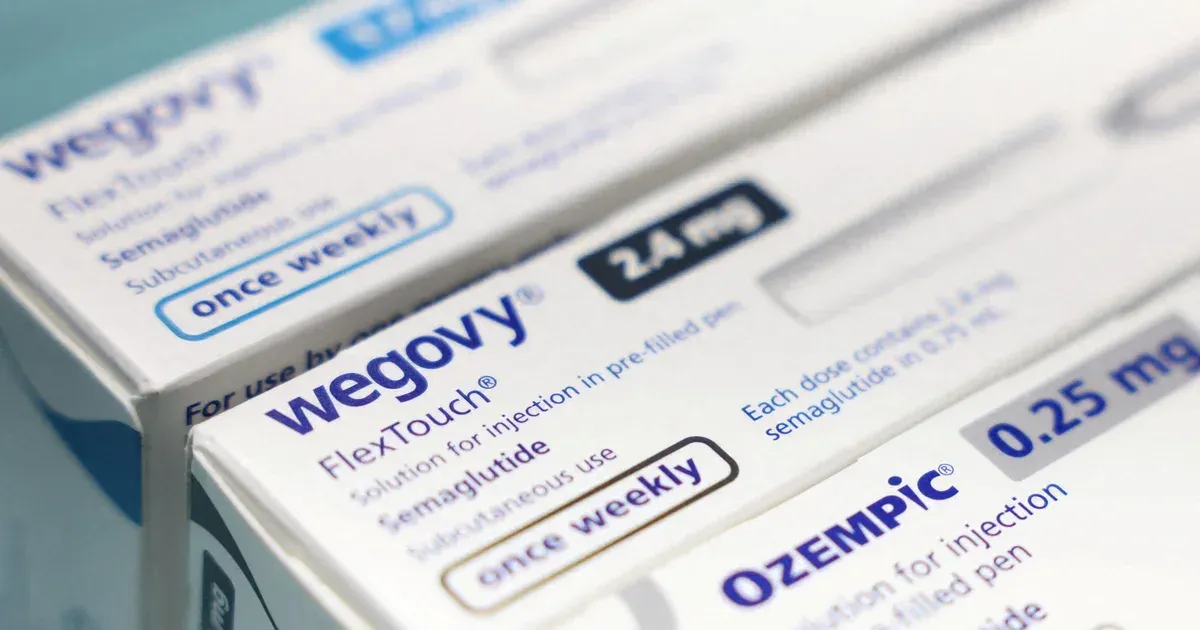
NHS England officials announced a broad expansion of weight-loss drug prescriptions to reach 1.2 million additional patients across the country. The announcement came on April 1, 2026. Semaglutide, marketed as Wegovy, will now target individuals who are overweight but not technically obese to prevent cardiovascular events. Medical practitioners previously restricted these GLP-1 receptor agonists to patients with a Body Mass Index of 30 or higher. New guidelines allow doctors to prescribe the weekly injection to those with a BMI as low as 27 if they exhibit existing heart conditions.
Clinical trials conducted by manufacturer Novo Nordisk provided the evidence required for this policy shift. Results from the SELECT trial demonstrated that semaglutide reduced the risk of major adverse cardiovascular events by 20 percent in adults with established heart disease. Researchers observed these benefits regardless of the amount of weight a patient lost during the study. Preventing strokes and heart attacks is the primary justification for the large increase in public health spending. Data from the British Heart Foundation indicates that heart and circulatory diseases cause a quarter of all deaths in the United Kingdom.
Semaglutide Rollout Targets Cardiovascular Risk Factors
Patients eligible under the new criteria must possess at least one weight-related comorbidity such as hypertension or high cholesterol. Previous NHS protocols focused almost exclusively on the metabolic benefits of weight reduction for diabetes management. Semaglutide mimics a hormone that targets areas of the brain that regulate appetite and food intake. By reducing caloric consumption, the drug enables meaningful weight loss while simultaneously improving lipid profiles. General practitioners will lead the identification of at-risk individuals during routine health checks. One million people already receive treatment for hypertension under current NHS frameworks.
Doctors anticipate that broadening access will ease long-term pressure on emergency departments and surgical wards. Cardiovascular disease remains a leading cause of hospital admissions and disability in England. Health officials estimate that treating heart disease costs the NHS approximately £7.4 billion annually. Early intervention through pharmaceutical means could potentially offset these costs by reducing the need for bypass surgeries and long-term stroke rehabilitation. Pharmaceutical interventions often provide a more immediate impact than lifestyle modification programs alone. Clinical data showed a 20 percent reduction in non-fatal strokes during the three-year study period.
Budgetary Pressures Grow Under National Drug Rollout
Funding for the 1.2 million new patients requires a large reallocation of the national health budget. Semaglutide costs the NHS approximately £73 per patient for a four-week supply at current negotiated rates. Expanding this to over a million people creates an annual expenditure exceeding $1.1 billion when converted to US currency. National Institute for Health and Care Excellence (NICE) reviewers spent months analyzing the cost-effectiveness of this expansion. Their final report concluded that the prevention of expensive acute cardiac events justified the recurring pharmaceutical cost. Critics, however, worry about the impact on other primary care services.
Supply-chain constraints also complicate the rollout as global demand for GLP-1 drugs continues to outstrip production capacity. Novo Nordisk has invested billions in expanding its manufacturing facilities in Denmark and the United States to meet this surge. NHS England has secured a multi-year supply agreement to ensure consistent availability for its domestic population. Shortages in 2024 and 2025 forced many patients to skip doses, which can lead to rapid weight regain and a return of cardiovascular risks. Private pharmacies frequently compete with the public-sector for the same limited stock. The pharmaceutical giant reported a 36 percent increase in total sales during the last fiscal year. While effective for cardiovascular health, the widespread use of GLP-1 receptor agonists has raised concerns regarding potential side effects like vision loss.
Clinical Evidence Drives Preventive Care Shift
Metabolic health research has shifted away from viewing weight as a purely cosmetic or behavioral issue. Scientists now understand that adipose tissue acts as an active endocrine organ that secretes inflammatory markers. These markers contribute directly to the stiffening of arteries and the formation of plaques. Semaglutide appears to modulate these inflammatory processes independently of its effect on the scales. Patients in the SELECT trial who lost little weight still experienced a reduction in cardiac risk. This observation suggests that the drug provides direct cardioprotective effects. The trial included over 17,000 participants from 41 different countries.
The decision to broaden access to semaglutide reflects our commitment to using the latest medical breakthroughs to prevent life-threatening illnesses before they require hospital intervention.
Public health experts argue that the UK's high rates of processed food consumption require aggressive medical intervention. Sedentary lifestyles and poor dietary habits have pushed the national average BMI steadily upward since the 1990s. Government initiatives to tax sugar and label calories have yielded modest results in curbing the obesity epidemic. Medicalizing the solution via weekly injections is a pragmatic, if expensive, pivot in strategy. Success depends on patient adherence to a lifelong medication regimen. Many patients report a complete loss of food cravings within 48 hours of their first dose.
Comparative Efficacy Against Traditional Heart Treatments
Statins have been the gold standard for heart disease prevention for over three decades in the UK. Approximately 8 million people in England currently take these cholesterol-lowering pills daily. Medical experts do not expect semaglutide to replace statins but rather to complement them. Combining lipid management with appetite suppression addresses two distinct pathways of heart disease progression. Some patients cannot tolerate statins due to muscle pain or other side effects. Semaglutide offers an alternative mechanism for risk reduction in these specific cases. The drug is administered via a pre-filled pen once per week.
Regulatory bodies in the United States and Europe have already approved Wegovy for cardiovascular risk reduction in non-diabetic patients. The Food and Drug Administration (FDA) cleared this indication in early 2024 after reviewing the same clinical data used by the NHS. Britain's decision to provide it through a taxpayer-funded system is a serious departure from the American model. US patients often face high out-of-pocket costs or complex insurance negotiations to access the drug for heart health. NHS England will phase in the rollout over the next eighteen months. Initial priority goes to those with the highest calculated risk of imminent cardiac arrest.
Preventive Care Trade-Offs: Is the British government masking a national health crisis with a pharmaceutical band-aid? By committing billions to weekly injections for 1.2 million people, the NHS has effectively admitted that systemic lifestyle interventions have failed. This move transitions the UK from a nation of prevention to a nation of permanent medicalization. While the clinical data on heart attack reduction is indisputable, the long-term economic and social consequences of creating a drug-dependent populace are largely ignored. The state is now subsidizing the consequences of a broken food system that prioritizes cheap calories over public vitality.
Reliance on a single manufacturer like Novo Nordisk for a critical public health initiative is a dangerous strategic gamble. Any disruption in the supply-chain or a sudden discovery of long-term side effects could leave millions of Britons vulnerable and the treasury depleted. This is not just a healthcare policy; it is a large transfer of public wealth to the private pharmaceutical sector. What is unfolding is the birth of the pharmacological welfare state. The true cost of this program will not be measured in pounds but in the total erosion of personal health autonomy.
The NHS is buying time, but it is doing so at a price that may eventually bankrupt the very system it seeks to save. The policy buys time, but prevention still carries the harder burden.