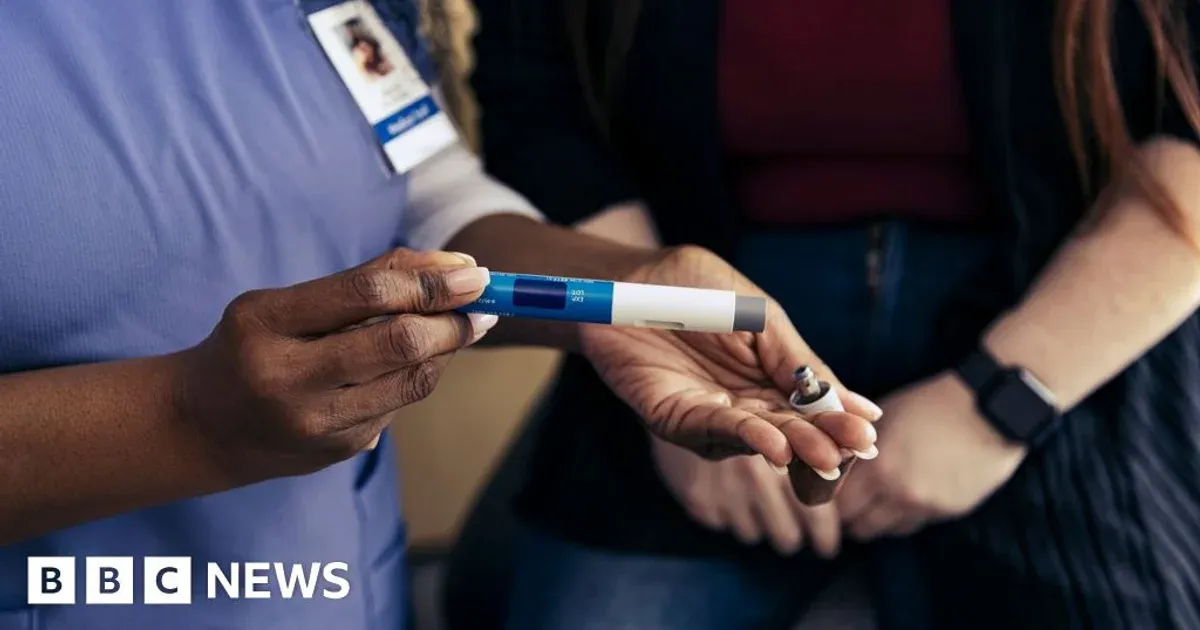
NHS England expanded its clinical coverage to include weight-loss injections for cardiac patients at risk of secondary strokes or heart attacks. Health officials confirmed that semaglutide, marketed as Wegovy, will transition from a weight-management tool to a primary cardiovascular intervention. The expansion was announced on April 1, 2026. The rollout sits at the intersection of prevention and cost control. By March 12, 2026, NHS weight-loss jabs had become part of heart-risk prevention.
NICE cited evidence that semaglutide 2.4 mg once weekly reduces cardiovascular-event risk by 20% in people with established cardiovascular disease who are overweight or obese.
Global demand for these treatments continues to pressure international manufacturing capabilities. Logistically, the distribution relies on a complex network of specialized pharmacies and general practitioner hubs across England. Supplies of semaglutide have been intermittent since the drug gained popularity on social media for cosmetic weight loss. In response, the health department has established a priority tier system to ensure cardiac patients receive their doses before those seeking the drug for aesthetic reasons. Researchers from the University of Oxford found that regular administration of GLP-1 agonists stabilizes plaque in the arteries. Inflammation markers like C-reactive protein dropped by nearly 40% in long-term users during the study. Such biological changes provide a mechanistic explanation for the reduction in heart attack frequency. Failure to maintain a steady supply could lead to a rebound effect where patients experience rapid weight regain and increased blood pressure.
Pharmaceutical Logistics and NHS Supply Chains
Supply-chain stability depends on production capacity in Denmark and North America. Manufacturing giant Novo Nordisk has invested billions into expanding its sterile filling facilities to meet the anticipated surge in UK prescriptions. England currently consumes more GLP-1 medication per capita than any other European nation. Primary care networks must now manage the administrative burden of monitoring over a million new weekly injections. Patients require regular blood tests and blood pressure checks to monitor for potential side effects such as pancreatitis or gallbladder issues. Healthcare providers noted that the logistical challenge involves not just the drug but the cooling storage required for transport.
Obesity-related heart disease currently accounts for nearly 15% of all hospital bed days in the UK health system. Data from the British Heart Foundation indicates that 7.6 million people live with heart or circulatory diseases across the country. Future health spending will increasingly shift toward these chronic management therapies.
Officials in London emphasized that the injections are not a substitute for dietary changes or physical activity. Patients must participate in a structured lifestyle program alongside the pharmacological treatment. While the jabs suppress appetite by mimicking hormones produced in the gut, they do not provide the micronutrients found in a balanced diet. Semaglutide acts on the brain to increase feelings of fullness and delay gastric emptying. Regulatory bodies monitor reports of rare side effects through the Yellow Card scheme to ensure long-term safety. Another concern involves the equitable distribution of the drug across different socioeconomic groups.
Some clinical experts worry that wealthier regions might secure higher prescription rates than deprived areas where obesity rates are highest. Within the first quarter of the expansion, 250,000 new patients have already successfully filled their first prescriptions. Beyond the clinical benefits, the psychological impact of weight loss often improves patient adherence to other cardiac medications like statins or beta-blockers. Success in this rollout will determine if the health service expands coverage to other GLP-1 derivatives in the coming years.
Clinical Evidence for Semaglutide in Cardiovascular Care
Cardiologists across the UK have lobbied for this change since the initial release of the SELECT trial data in late 2023. These specialists argue that obesity is a metabolic disease that directly damages the heart through mechanical and chemical means. Excess adipose tissue secretes pro-inflammatory cytokines that accelerate atherosclerosis. By reducing this fat mass, semaglutide removes the primary driver of arterial hardening. Evidence from 17,603 trial participants showed that the cardiovascular benefits occurred regardless of the amount of weight lost. The finding suggests that the drug has a direct protective effect on the heart muscle itself.
Patients with a history of heart failure also reported improved exercise tolerance and reduced shortness of breath. Historically, the NHS focused on treating hypertension and high cholesterol to prevent strokes. Modern medicine now recognizes obesity as a third, equally critical foundation of cardiac risk. If these preventative measures succeed, the incidence of heart failure could drop sharply over the next decade.
Financial Impact on the UK Healthcare Budget
Financial viability relies entirely on bulk procurement pricing agreements.
Critics of the expansion point to the high cost of GLP-1 drugs as a threat to other essential services. Funding for cancer care or mental health could face scrutiny if the obesity drug budget continues to grow. A single month of treatment costs several hundred pounds at retail prices, though the state negotiates serious discounts. By 2030, the total cost for weight-loss medications could exceed the budget for all other cardiac treatments combined. Proponents of the plan argue that the cost of inaction is far higher.
Treating a single stroke patient costs the state an average of 45,000 pounds in the first year alone. Each averted stroke provides an immediate return on investment for the treasury. Primary care doctors expressed concern about the time required to train staff in the administration and monitoring of these injections. Whether the health service can sustain this level of spending depends on future economic growth and tax revenues. Government ministers remain committed to the program as a central part of their long-term health strategy. Hospital trusts in the north of England reported the highest initial demand for the new prescriptions.
Public health officials are now tracking the long-term data to ensure the predicted savings materialize within the five-year window.
Can a nation truly medicate its way out of a systemic health crisis? The decision to provide weight-loss injections to over a million heart patients is less a triumph of clinical innovation and more a white flag in the war against a broken food environment. By opting for a multi-billion dollar pharmacological fix, the government avoids the politically expensive task of taxing ultra-processed food or redesigning urban centers for movement. We are entering an era of the chemically sustained citizen, where the state subsidizes the symptoms of a lifestyle it refuses to regulate.
This move shifts the burden of health from the collective to the individual and the pharmaceutical manufacturer. It creates a permanent dependency on foreign drug supplies for the basic functioning of the public heart. If Novo Nordisk experiences a production hiccup, the UK cardiovascular system faces a literal cardiac arrest. Reliance on a single class of drugs to manage a complex metabolic setback is an unstable strategy. The financial gamble is equally huge. While the treasury expects savings from fewer hospitalizations, those projections assume patients will stay on these expensive drugs indefinitely.
The moment the injections stop, the biology of obesity returns with a vengeance. We are not solving the heart attack crisis; we are merely delaying it with a very expensive, very profitable chemical bandage. Expensive pharmaceutical dependency.