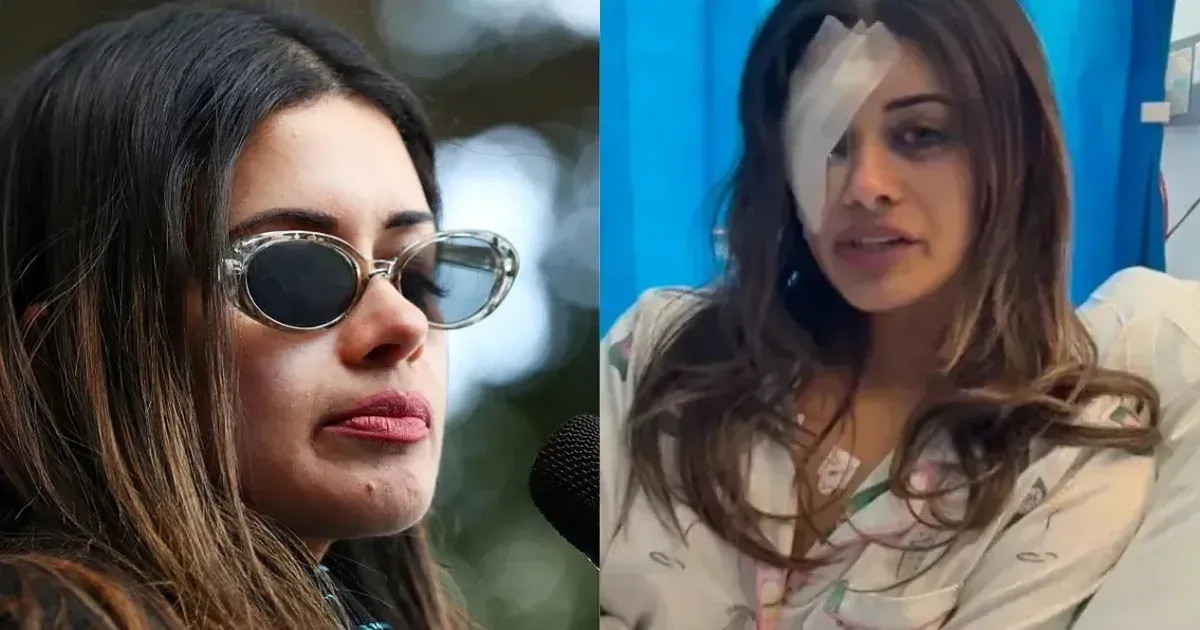
New South Wales has moved from contesting a protest arrest narrative to conceding key parts of it, admitting in court documents that former Greens candidate Hannah Thomas was subjected to battery and false imprisonment by police.
Thomas is pursuing a civil claim over the arrest, the injury she suffered and the way police handled the case after officers moved in at a pro-Palestine demonstration in Sydney. Her arrest followed a protest outside SEC Plating in Belmore on June 27, 2025, a site activists had targeted over claims connected to weapons supply chains, which the company has denied.
The new defence filing does not end the case, but it changes the center of gravity. It also narrows what can be argued in public without qualification. The state is still contesting motive and abuse-of-office claims, yet it has accepted enough of the physical encounter to make the remaining dispute less about whether Thomas was harmed and more about how the law should value that harm.
NSW has accepted that force used by officers amounted to battery, acknowledged false imprisonment and offered to pay reasonable medical expenses tied to admitted injuries. At the same time, the state continues to deny more serious allegations, including malicious prosecution and malfeasance in public office.
What the State Has Conceded
The central admission concerns the moment Thomas says she was punched in the right eye by Senior Constable Christopher Davis while he was holding a torch. The Guardian reported that the state admitted Davis's conduct, as pleaded, constituted battery and that Thomas suffered harm and general damages as a result.
Thomas's lawyers have said the injury ruptured her eyeball and fractured the eye socket, and she later underwent multiple surgeries. The state has offered to cover reasonable medical costs connected with the injuries it has admitted, while disputing claims for aggravated and exemplary damages.
The defence also accepts a second battery allegation involving Senior Constable Pir Ali Noohpoto, who Thomas said grabbed her before the punch. NSW admitted that use of force constituted battery, though it maintains that other officers were using reasonable force in response to what it described as a breach of the peace.
NSW police said it was "inappropriate to respond at this time" while the matter is before the courts.
That position leaves the public record split between admissions about specific conduct and denials about intent, purpose and broader abuse of office. For Thomas, the practical effect is that compensation over the admitted harm is no longer only an allegation. For NSW, the remaining fight is over how far legal liability should extend.
Charges Were Withdrawn Before the Civil Fight
The admissions also arrive after months in which Thomas supporters argued that early police accounts understated the seriousness of the injury and overplayed the basis for criminal charges. That history is why the civil filing carries political weight beyond a damages ledger: it tests whether protest policing can be reviewed honestly when the original official narrative begins to collapse.
Thomas was one of five people arrested during the protest. She was initially charged with resisting police and failing to comply with a direction to disperse, with one charge tied to emergency powers introduced after the 2005 Cronulla riots. The Director of Public Prosecutions later withdrew all charges against Thomas and three other protesters.
That earlier withdrawal matters because the civil case is not only about the injury. Thomas has argued that the prosecution itself was improper. NSW rejects that allegation, and the court will have to separate admitted use-of-force liability from the more demanding question of whether the prosecution was malicious or carried out for an improper purpose.
For prosecutors and police command, that sequence creates an uncomfortable timeline. A protester was injured, charged, had charges changed, then saw them withdrawn before the state admitted core civil wrongs. Each step may have a legal explanation, but together they raise a public accountability question about how quickly agencies correct a course once new evidence undermines the original arrest decision.
There is also a separate criminal track. Davis has pleaded not guilty to assault occasioning actual bodily harm and recklessly causing grievous bodily harm, with that case listed for a future hearing. The civil admissions do not decide the criminal case, but they keep attention on the same arrest, the same injury and the same police operation.
Legal Pressure on Protest Policing
The Hannah Thomas case now sits at the intersection of protest rights, public order powers and police accountability. The protest was politically charged, the injury was severe and the charges were later dropped. Those facts make the state admissions more than a narrow damages issue.
For police forces, the case underscores how quickly a protest operation can move from crowd control to courtroom scrutiny. The first legal question is whether force was lawful and proportionate. The wider institutional question is whether officers, commanders and prosecutors properly reassessed the incident once the injury and video evidence became central to the case.
The next civil hearing is scheduled for September. By then, the admissions may narrow part of the dispute, but they are unlikely to quiet the broader debate over how Australian police manage politically sensitive protests and how quickly they correct course when an arrest collapses.
The strategic risk for NSW is that a limited legal concession may not contain the reputational damage. Once a state admits battery and false imprisonment in a protest case, the public argument shifts from whether harm occurred to whether the system recognized it early enough, investigated it independently enough and built safeguards strong enough to stop the next arrest from becoming another test case.