Renewed Gulf tension and higher crude prices have put the Indian rupee back under pressure, reminding markets that India's currency story is still tied closely to imported energy.
The latest stress came as oil prices jumped on U.S.-Iran escalation and fresh anxiety around the Strait of Hormuz, the route that carries a large share of global crude and LNG flows. For India, which imports the overwhelming majority of its crude oil, that is not an abstract geopolitical risk. It is a bill that has to be paid in dollars.
Traders therefore watch crude and the rupee together. When oil rises, importers need more dollars. When global risk sentiment weakens at the same time, foreign investors can become more cautious about emerging-market assets. The currency then faces pressure from both trade flows and portfolio flows.
The RBI Can Smooth Volatility, Not Repeal The Oil Bill
The Reserve Bank of India has tools. It can sell dollars, manage liquidity, guide expectations and prevent disorderly moves. It can also lean against panic if markets begin treating every oil headline as a one-way rupee trade.
But intervention has limits. A central bank can reduce volatility; it cannot make imported crude cheaper. If it defends a level too aggressively, it spends reserves and may invite markets to test the next level. If it does too little, depreciation can feed inflation expectations and raise political pressure over fuel-linked costs.
Oil Imports Create The Structural Squeeze
India's dependence on imported hydrocarbons is the structural issue behind the daily currency move. A higher Brent price means a wider import bill. A weaker rupee then makes that imported energy even more expensive in local-currency terms. The pressure reinforces itself.
The effect is broader than petrol and diesel. Oil and gas feed transport, aviation fuel, fertilizer, petrochemicals, manufacturing inputs and household cooking-fuel politics. Even when retail fuel prices are managed or taxes absorb part of the shock, someone in the system carries the cost.
Hormuz Risk Adds A Security Premium
The Strait of Hormuz matters because the market is not pricing only today's barrels. It is pricing the chance that shipments become slower, costlier or more dangerous. Tanker insurance, rerouting, naval risk, vessel tracking and supplier confidence can all add a premium before a full disruption occurs.
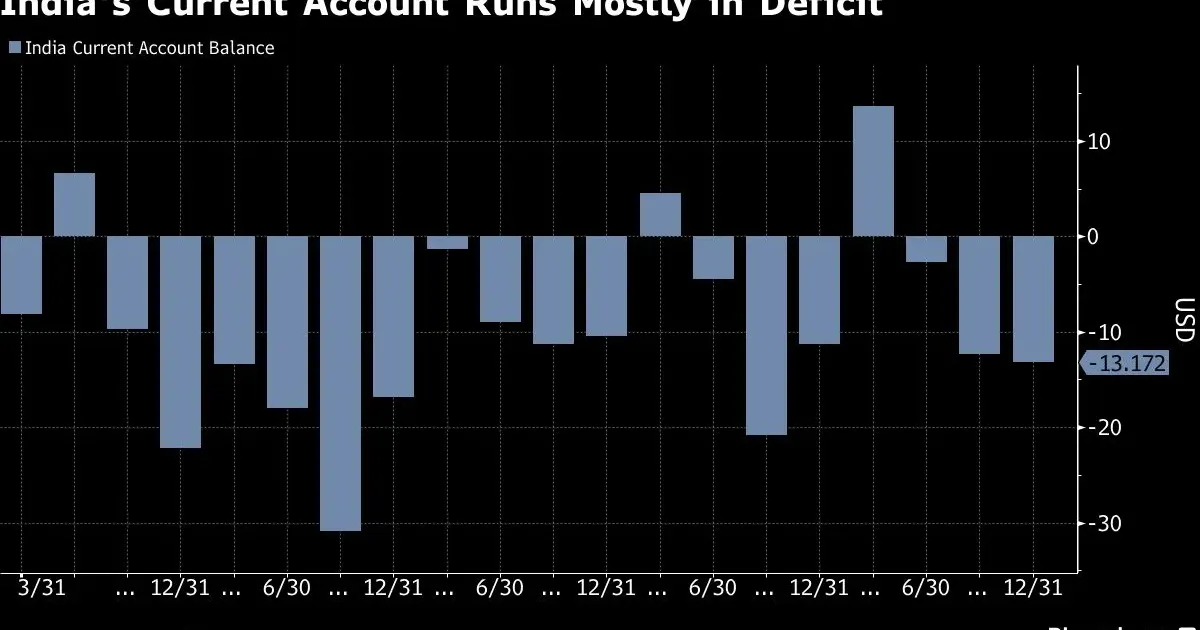
India has some buffers: reserves, refining scale, diversified suppliers and the ability to adjust procurement over time. Those buffers help, but they do not remove exposure. A prolonged disruption would still push policymakers into harder choices over inflation, subsidies, current-account pressure and fiscal space.
Companies Feel The Move Before Consumers Do
Currency pressure often reaches companies first. Refiners, airlines, chemical producers and firms with dollar debt or imported inputs have to manage hedges, margins and working capital. A weaker rupee can help some exporters, but that benefit does not offset the economy-wide pain of a persistent oil shock.
The corporate response can show up in pricing decisions, delayed purchases, thinner margins or demands for government relief. If the shock lasts long enough, it becomes a growth question as well as a currency question.
Households See It Through Inflation
For households, the rupee is not a trading screen. It becomes visible when transport costs rise, cooking fuel becomes more expensive, food distribution costs move higher or imported goods stop getting cheaper. The pass-through is not always immediate, but it is difficult to avoid completely.
The RBI therefore has to think about more than the exchange rate. A moderate depreciation may be tolerable if inflation stays anchored. A currency move that starts changing wage demands, fuel politics or food costs becomes much harder to ignore.
The Policy Answer Is Wider Than Intervention
The long-term answer cannot come only from the central bank. Strategic petroleum reserves, diversified import routes, refinery flexibility, renewable power, domestic gas policy and fiscal discipline all affect how exposed the rupee is during the next energy shock.
Currency intervention buys time. Energy strategy decides how often that time has to be bought. The rupee is not being broken by one trading session; it is being tested by India's dependence on imported hydrocarbons at a moment when the Gulf risk premium has returned.