Pakistan placed its military chief at the center of the U.S.-Iran mediation track. The move gave Islamabad a visible role in a crisis that had already pulled regional powers into urgent diplomacy. The mediation effort gave Islamabad a larger role in a conflict shaped by Washington and Tehran. On April 16, 2026, General Asim Munir arrived in Tehran to engage Iranian leadership in a high-stakes effort to halt the escalating conflict between the United States and Iran. High-level delegations from Islamabad joined the military chief to enable a sustainable ceasefire after nearly two months of devastating regional combat. Pakistani officials intend to secure a second round of negotiations between Washington and Tehran. Success in these discussions would provide a reprieve for a global energy market currently reeling from the disruption of Persian Gulf shipping lanes. Seven weeks of war have already shifted the geopolitical stability of the Middle East, forcing neighboring powers to intervene before the violence spreads further into South Asia.
Reports from DW News indicate that the Pakistani delegation includes senior diplomats and intelligence officials tasked with presenting a concrete framework for de-escalation. Iranian officials welcomed the visitors at a time when the domestic costs of the conflict are beginning to weigh on the clerical establishment. Mediation efforts focus on establishing a neutral zone for diplomats to meet without the threat of immediate kinetic strikes. Pakistan occupies a unique position as a traditional security partner of the United States that maintains a shared border with Iran. This geographical proximity gives Islamabad a direct interest in preventing a total collapse of the Iranian state.
General Asim Munir Leads High-Level Delegation
Army leadership in Pakistan rarely engages in such public shuttle diplomacy without serious backing from Western and regional allies. General Asim Munir met with his counterparts in the Iranian Revolutionary Guard Corps to discuss border security and the mitigation of cross-border skirmishes. Combat operations throughout the spring have displaced thousands of civilians, creating a growing humanitarian crisis on the Pakistani frontier. Preventing a heavy influx of refugees is a primary driver for the current diplomatic push. Previous attempts at mediation by third parties failed because they lacked the security guarantees that a military-to-military dialogue provides.
ABC News International reported that the primary objective of this visit is to broker a second round of formal talks. Initial discussions held earlier in the year collapsed after only three days of debate. Negotiators must now address the specific military grievances that triggered the current war, including drone strikes on regional assets and the seizure of oil tankers. Iranian leadership reportedly seeks a guarantee that economic sanctions will be suspended during the duration of any ceasefire. Washington has yet to publicly commit to such terms. The standoff persists as both sides consolidate their positions along the maritime border.
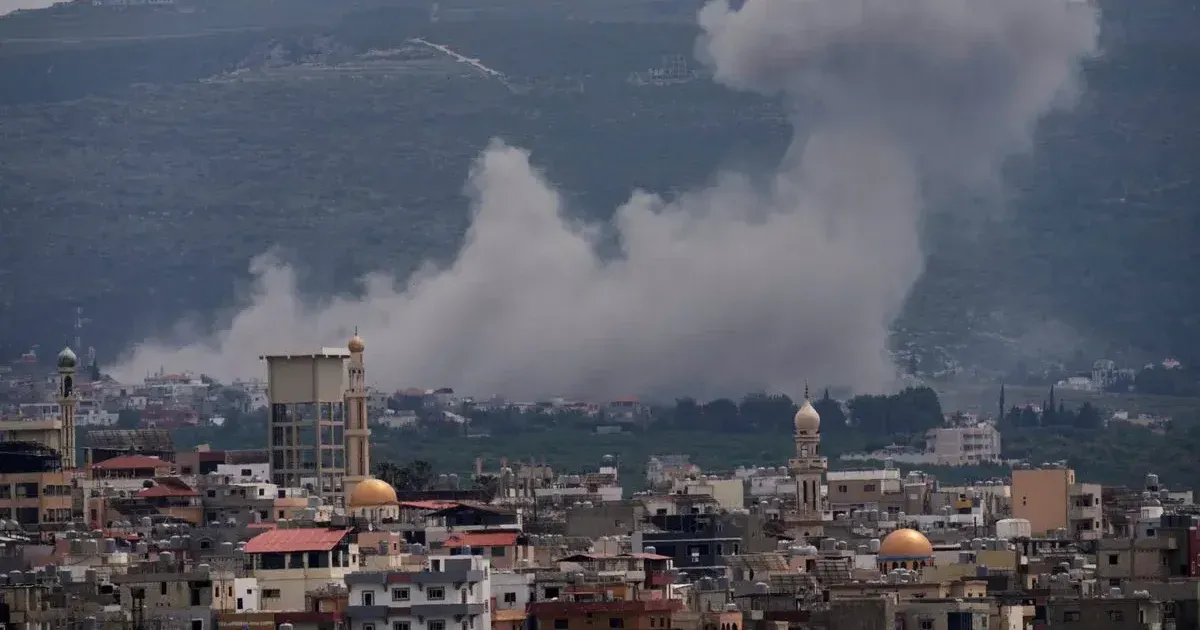
Pakistani officials said the army chief was meeting with Iranian officials in Tehran to ease Middle East tensions and arrange U.S.-Iran negotiations after almost seven weeks of war.
Simultaneously, the economic impact of the $45 billion conflict is echoing through the Pakistani economy. High fuel prices and currency volatility have forced the government in Islamabad to seek a swift resolution. Military officials recognize that a prolonged war would likely draw in other nuclear-armed powers, a scenario that would destabilize the entire subcontinent. Security analysts in Islamabad suggest that the Army Chief is carrying a specific set of messages from the White House. These messages allegedly outline the minimum requirements for a cessation of hostilities. General Munir's visit follows earlier reports of Pakistan mediation efforts to de-escalate the ongoing regional conflict.
Tehran Security Dynamics After Seven Weeks of War
Tehran faces increasing pressure to demonstrate that its defense strategy can survive a sustained American air campaign. While the Iranian military has used its missile inventory to strike regional targets, the technological gap continues to create meaningful vulnerabilities. Reports from the ground suggest that critical infrastructure in several Iranian port cities has suffered extensive damage. The Pakistani delegation toured areas affected by the recent strikes to assess the humanitarian needs. Such assessments help the mediators understand the level of desperation within the Iranian command structure. Direct communication between military leaders often cuts through the rhetorical posturing common in civilian diplomatic circles.
By contrast, the United States remains cautious about the prospects of a breakthrough. Pentagon officials have expressed skepticism regarding Iran’s willingness to dismantle its proxy networks in exchange for a truce. Despite this, the pressure from European allies to end the war has forced the State Department to keep the door for mediation open. If Pakistan can secure a verified commitment for a pause in naval harassment, the United States may agree to send a special envoy to a neutral capital. Doha or Muscat is the most likely venue for these potential talks. Current conditions on the ground make any movement toward peace extremely fragile.
Pakistan Diplomatic Strategy and Regional Stability
Islamabad's strategy involves leveraging its role as a bridge between the Islamic world and the West. This is a return to the traditional role Pakistan played during the 1970s when it enabled the opening between the United States and China. History shows that Pakistani generals often have better access to Iranian decision-makers than their civilian counterparts. Because the military controls the border, they can offer real security concessions that civilians cannot. The presence of a high-level delegation suggests that the current mission has the full support of the Pakistani cabinet. Cooperation between the various branches of the Pakistani state is essential for a mission of this magnitude.
Intelligence sharing between Pakistan and Iran has increased sharply since the arrival of the delegation on April 16, 2026. Both nations are concerned about the rise of opportunistic militant groups that thrive in the chaos of war. These groups have already carried out several attacks on energy pipelines along the shared border. A coordinated security response would protect these essential assets while the broader peace process unfolds. Independent observers note that the success of the mission depends on the internal politics of Tehran. Factions within the Iranian government are divided on whether to continue the war or seek a face-saving exit. This internal struggle complicates the task for Pakistani negotiators.
Pakistan Tests Mediator Role
Munir's mission gives Pakistan a chance to act as an intermediary, but his influence depends on whether both Washington and Tehran regard him as a credible channel. Pakistan's ties with the United States and its contacts with Iran provide access without guaranteeing that either side will change its war aims.
A ceasefire arranged through Islamabad could initially be a tactical pause rather than a permanent settlement. The delegation therefore has to move beyond relaying positions and identify concessions that can be accepted by both governments.
Pakistan also has its own interest in limiting a wider regional conflict that could disrupt trade, energy supplies and domestic security. Without concessions from both sides, however, the talks could produce only a temporary pause rather than a durable settlement.