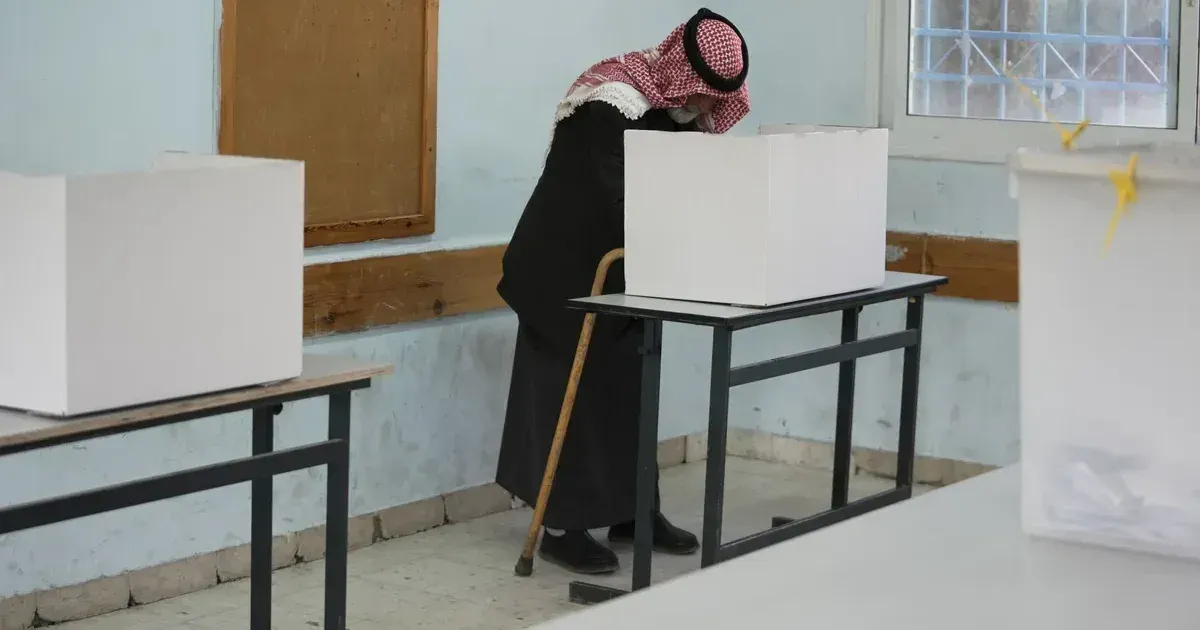
Palestinian local elections are unfolding under conditions that make even municipal voting politically charged. The Gaza vote gives younger residents a rare civic outlet after years without national elections. Officials are trying to present the process as administrative, but turnout and control carry broader meaning. The ballot is therefore a test of legitimacy as much as local governance. For many voters, it is the first direct political act of their adult lives. Palestinian Authority officials declared on April 27, 2026, that local council elections in selected areas of Gaza and the West Bank represent a move toward national democratic renewal. Voters lined up at schools and municipal buildings in several districts to cast ballots for local representation. Mahmoud Abbas, who has served as president since 2005, has not faced a national vote in over two decades. Recent developments in municipal governance are being framed as a necessary precursor to broader legislative and presidential contests.
This limited exercise in local democracy is a test for the administrative capacity of the Palestinian Authority. Political analysts emphasize that the 21-year gap since the last presidential election has created a large demographic cohort of young citizens who have never voted. Millions of Palestinians under the age of 40 are participating in the democratic process for the first time at the local level. Registration figures from the Central Elections Commission indicate a high level of interest among youth voters in the West Bank. Municipal candidates focused their campaigns on immediate infrastructure needs and utility management. Residents in Ramallah and Nablus expressed hope that local accountability might eventually translate into national transparency. Security forces coordinated with local monitors to ensure polling stations operated without serious disruptions. International observers from various NGOs watched the proceedings in several monitored hubs.
West Bank Voter Participation and Security
Hebron and Bethlehem saw steady turnout throughout the morning hours as families arrived at polling centers. Local police units maintained a perimeter around sensitive voting sites to prevent overcrowding. Candidates in these districts often run on platforms of improving waste management and expanding water access. Success in these localized races often dictates which political factions maintain grassroots influence in the West Bank.
Factions within the Palestinian Authority view these results as a barometer for their standing against rival groups. Smaller independent lists have gained traction in recent years by promising technocratic solutions to urban planning issues. Mahmoud Abbas and his administration are monitoring these trends to gauge the viability of future national polls. Political alliances at the municipal level often shift based on clan loyalties and regional economic interests.
Participation rates remain a critical metric for the legitimacy of the process. Officials reported that over 60 percent of eligible voters in certain West Bank districts had cast ballots by mid-afternoon. These numbers suggest a persistent desire for civic engagement despite the long delays in national leadership transitions. Final tallies will be processed by the Central Elections Commission over the coming days.
The Central Elections Commission said the Palestinian Authority was committed to restoring democratic rights through a phased approach beginning with local councils and leading toward a national mandate.
Voters in rural areas faced longer travel times to reach designated polling stations. Mobile voting units were deployed in some remote villages to ensure elderly residents could participate. Such logistical hurdles provide a template for the challenges that would accompany a full-scale presidential election. Mahmoud Abbas has previously cited logistical and political obstacles as reasons for postponing national votes.
Gaza Community Election Dynamics
Gaza residents in specific southern communities participated in the local voting process for the first time in years. This rare instance of electoral activity in Gaza comes after prolonged negotiations between various political factions. Local councils there manage essential services including electricity distribution and emergency response. The inclusion of even a small number of Gaza communities is seen by officials as a breakthrough in administrative cooperation.
Hamas has historically maintained a complicated relationship with elections overseen by the Palestinian Authority. Previous attempts to coordinate municipal polls in the territory often stalled over security and legal disputes. Officials in Ramallah noted that the successful operation of these selected Gaza polling sites could provide a model for future cooperation. Cooperation between the Central Elections Commission and local Gaza authorities was essential for the distribution of ballot boxes.
Ballot counting in the Gaza districts is expected to take longer due to limited digital infrastructure. Manual verification of paper ballots is the primary method for ensuring accuracy in these communities. Gaza has been largely excluded from the Palestinian Authority electoral cycle since the internal split in 2007. Reintegrating these communities into a unified electoral framework is a primary goal for many civic activists.
Central Elections Commission Strategy and Barriers
Central Elections Commission staff managed over 1,000 polling stations across the territories on April 27, 2026. The commission used updated biometric verification in select urban areas to prevent double-voting. Funding for the electoral process was secured through a combination of local revenue and international grants. These resources are essential for maintaining the independence of the commission from political pressure.
Legal challenges to candidate eligibility had threatened to delay the vote in several districts earlier this month. Courts in the West Bank worked through a backlog of petitions related to residency requirements and criminal records. Ensuring a fair legal environment is a requirement for any eventual presidential contest. Mahmoud Abbas signed a decree earlier this year to streamline these judicial reviews.
Pressure from the international community continues to mount regarding the 21-year presidential election drought. Diplomatic missions in Jerusalem and Ramallah have consistently called for a clear plan toward national polls. Local elections are often the only avenue for young Palestinians to voice their political preferences. Many voters expressed skepticism that these municipal wins would lead to a change in the executive branch.
Economic conditions influenced the tone of the campaigns in both Gaza and the West Bank. Candidates who promised job creation and trade facilitation saw higher levels of support in industrial zones. The Palestinian Authority faces a difficult task in balancing these economic expectations with limited fiscal autonomy. Infrastructure projects remain dependent on foreign aid and tax transfers.
Future stability depends on whether the Palestinian Authority can maintain the momentum from these local victories. Critics argue that without a date for presidential and legislative elections, municipal polls are merely symbolic. Mahmoud Abbas has not yet provided a specific timeline for the national vote. The results from today will likely influence the internal debates within his party.
Municipal Voting Cannot Conceal a Twenty-One-Year Democratic Failure
Democratic legitimacy in Ramallah has long resembled a crumbling facade, and these local elections are less a renewal than a desperate attempt at stabilization. By focusing on municipal councils, the Palestinian Authority is effectively distracting from the reality that its executive leadership has avoided a popular mandate since the mid-2000s. A 21-year gap in presidential elections is not a logistical delay; it is a systemic refusal to risk power. This strategy of incrementalism allows Mahmoud Abbas to pacify international donors while maintaining an iron grip on the national apparatus.
The inclusion of a few Gaza communities is a calculated gesture aimed at performing unity without actually sharing power. If the Palestinian Authority were serious about democratic integration, the scale of the Gaza vote would match the West Bank. Instead, we see a curated exercise designed to produce safe results. These local polls provide the illusion of a functioning democracy while the core legislative functions remain paralyzed by factionalism and age. Real change will only occur when the ballot boxes are opened for the presidency. Until then, these municipal contests are a managed release of pressure. The aging leadership is betting that local crumbs will satisfy a population starving for national representation. They are likely wrong. Democracy theater.