New Hampshire’s Senate race has become a money and turnout test because the seat could shape control of the chamber. Chris Pappas reported a meaningful financial lead on April 16, 2026, as the competition for the New Hampshire Senate seat vacated by Jeanne Shaheen intensifies. Records filed with the Federal Election Commission show the Democratic representative secured $3.3 million in donations during the first quarter of the year. High fundraising totals have allowed Pappas to amass a total of $4.2 million in liquid capital. Candidates vying for the seat now face a starkly unequal financial environment as the primary season approaches.
Federal Election Commission documents provide a window into the fiscal health of the competing organizations. While Pappas secures his position within the Democratic Party, the Republican field remains divided between two leading political figures. John E. Sununu and Scott Brown now face a difficult climb to match the fundraising velocity established by the Democratic frontrunner. Donor fatigue and internal primary friction often limit the ability of challengers to keep pace with a consolidated party apparatus.
John E. Sununu, a former senator with deep roots in Granite State politics, managed to raise $1.1 million during the same three-month period. His campaign account currently holds $1.9 million following a stretch of disciplined resource management. Sununu remains the most viable Republican contender despite the wide disparity in available funds. Strategic conservation of capital allows Sununu to maintain a lean operation while his rivals burn through their cash reserves.
Scott Brown sits at the bottom of the financial hierarchy with a haul of just $321,000 in the first quarter. Data indicates Brown spent more than he earned over the last three months, leaving his campaign with a balance of $783,000. Such spending patterns often suggest a campaign struggling to gain traction among major donors. Brown was a U.S. Senator from Massachusetts before moving to New Hampshire and later acting as a diplomat.
Pappas Consolidates Financial Power in Open Senate Race
Strategies for resource allocation vary wildly across the three major camps. Pappas spent $2.3 million in the first quarter, a sum that exceeds the total cash on hand for either Republican. Campaign analysts often interpret high spending in an uncontested primary as an attempt to achieve early media saturation. Aggressive staff expansion and early advertising buys can define a candidate before the general election begins.
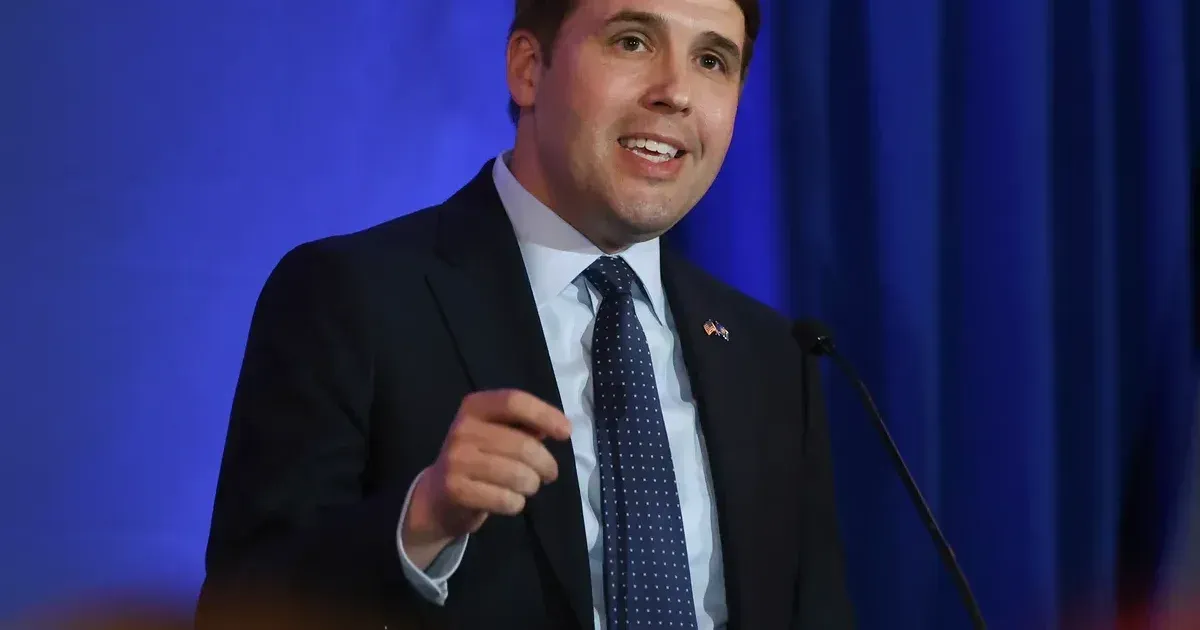
Rep. Chris Pappas (D-N.H.) holds a sizable cash advantage over his GOP rivals in the race for New Hampshire’s open Senate seat.
Sununu maintained a conservative burn rate of $349,000 during the first three months of the year. Low overhead could allow Sununu to save his firepower for the final weeks of the campaign. Republican strategists argue that efficiency matters more than raw totals during the early stages of a primary. Sununu appears to be banking on his family name and existing political network to carry him through the summer months. The Federal Election Commission documents offer insights into fundraising trends across competitive Senate races nationwide.
Jeanne Shaheen’s retirement after decades in public life creates a vacuum that neither party can afford to ignore. Democrats view the New Hampshire seat as a firewall for their Senate majority. Republicans see it as a prime opportunity to capitalize on national trends favoring the opposition party during midterm cycles. These conflicting priorities have turned a local race into a national focal point for political spending.
Sununu Secures National Backing for Primary Battle
National Republican leaders have signaled their preference for Sununu as the party seeks to flip the seat. President Donald Trump has offered his endorsement, which aims to consolidate the base behind a single candidate. John E. Sununu continues to lead Brown by double digits in recent primary polling. This endorsement serves to marginalize Brown among voters who prioritize party unity.
Establishment support brings both benefits and complications in a state known for its independent streak. Sununu must balance his ties to national leadership with the localized concerns of New Hampshire voters. Donors in the state have historically favored candidates who demonstrate fiscal restraint and a focus on local infrastructure. Sununu’s ability to bridge these two worlds will determine his viability in November.
Democratic organizations have rallied behind Pappas to avoid a costly and distracting primary battle. Absence of a meaningful internal challenger allows Pappas to focus entirely on the general election. Chris Pappas appears to be betting on a high-saturation media strategy to define the narrative before the autumn campaign season. Money buys the ability to dominate the airwaves and drown out opposing messages.
Polling Data Shows Tightening General Election Contests
General election simulations indicate a competitive race despite the fundraising gap. Pappas leads both Republicans in head-to-head matchups, but the margin against Sununu is within the statistical margin of error. Voters in New Hampshire have historically shown a preference for split-ticket voting. A candidate's bank account does not always reflect their popularity in the North Country or the Seacoast.
Financial advantages do not always translate into electoral victories in small, retail-politics states. Door-to-door campaigning and town hall meetings often outweigh expensive television ad buys. Pappas is leveraging his cash to build a sophisticated ground game designed to reach every corner of the state. These investments aim to identify and mobilize moderate voters who typically decide outcomes in New Hampshire.
Spending patterns in the Granite State reflect a shift toward digital outreach and sophisticated voter data analytics. Both the Pappas and Sununu camps have invested heavily in ground-game infrastructure. These technological tools allow campaigns to target specific demographics with tailored messaging. Success in the modern era requires a blend of traditional handshaking and high-tech persuasion.
New Hampshire Cash Shapes the Race
Pappas's roughly $4 million war chest gives him the ability to advertise early and build a statewide organization, but it does not guarantee support in a state known for retail politics and split-ticket voting. His $2.3 million in first-quarter spending also shows how quickly that advantage can narrow during a long campaign.
Sununu is conserving cash while relying on his family name, national backing and an existing political network. That approach could leave him better positioned for the autumn, although he first has to secure the Republican nomination and close a fundraising gap that limits his ability to answer Democratic advertising.
The filings therefore measure campaign capacity rather than the likely result. Pappas enters the next phase with the stronger financial position, while Sununu's path depends on turning endorsements and name recognition into votes without allowing the money gap to define the race.