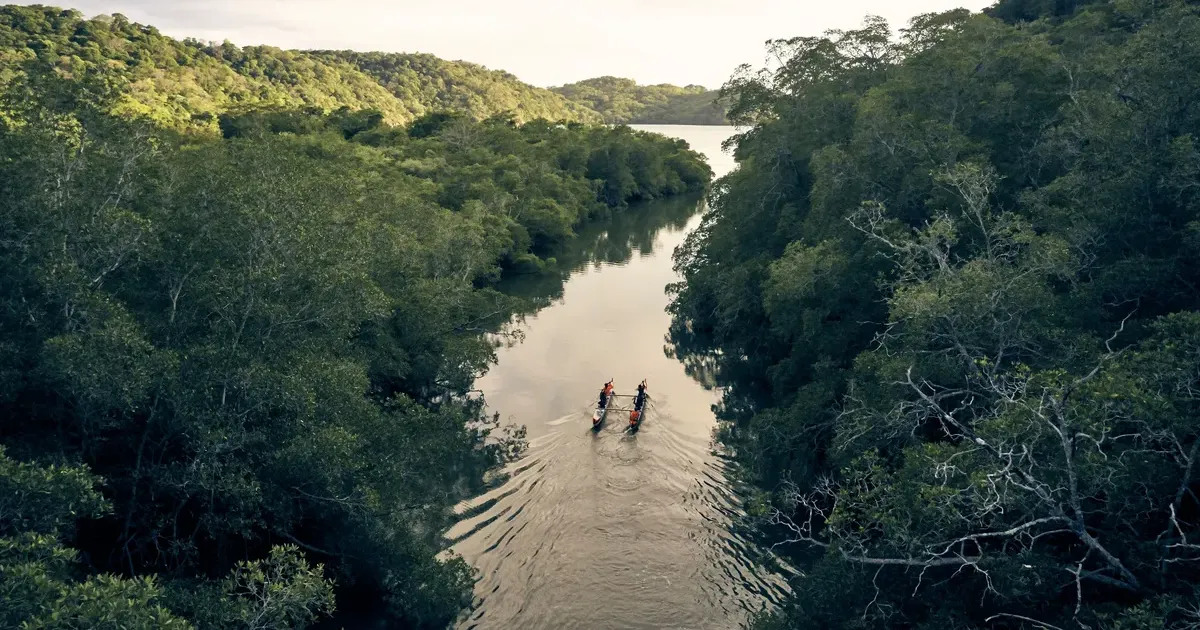
Peninsula Papagayo welcomed record investment inflows solidifying its status as the primary hub for sustainable luxury hospitality in Central America. The project ties luxury tourism to land-use questions that Costa Rica cannot avoid. The timing was March 28, 2026. Developers and environmentalists have historically clashed over coastal developments, but this 1,400-acre enclave in the Guanacaste province has successfully integrated high-end infrastructure with aggressive conservation mandates, making the project a useful case study for controlled resort growth in high-value coastal tourism markets globally. Regional growth continues to accelerate through a unique public-private partnership model that governs the entire landmass.
Investors focused on luxury assets have funneled over $1.2 billion into the region over the last decade. Much of this capital originates from Gencom, a Miami-based investment firm that acquired a controlling interest in the destination and its flagship Four Seasons property. Management strategies implemented by the firm prioritize long-term asset appreciation through environmental stewardship rather than rapid, high-density construction. That approach gives the destination a defensible luxury position because scarcity, conservation rules and brand control all reinforce one another. This specific approach aligns with the national branding of Costa Rica as a global leader in ecological preservation. Sustainability requirements in this corridor are not merely voluntary suggestions. Every square meter of development must comply with the Master Plan of the Pole of Tourist Development of Papagayo, a regulatory framework established by the government. One sentence summarizes the strictness of these rules.
Law mandates that 70% of the total land area must remain as untouched natural green space.
Peninsula Papagayo Infrastructure and Investment Growth
Infrastructure modernization became the primary driver for the current hospitality boom. Modern roads, high-capacity telecommunications, and a private water management system provide the foundation for properties like the Andaz Costa Rica Resort and the upcoming Nekajui, a Ritz-Carlton Reserve. Private utility investments ensure that these resorts do not drain resources from local communities in Guanacaste, addressing a common criticism of luxury tourism. Reliability in these systems attracts ultra-high-net-worth individuals who demand seamless connectivity within a remote tropical setting.
Sustainable Tourism Regulations in Costa Rica
Governmental oversight through the Costa Rican Tourism Institute (ICT) ensures that every project meets stringent carbon-neutrality targets. Authorities require detailed environmental impact assessments before a single shovel enters the ground. These studies must account for the migratory patterns of local fauna, including white-faced capuchin monkeys and hundreds of bird species. Strict adherence to these protocols has allowed the peninsula to maintain its biodiversity despite the presence of luxury villas and golf courses.
Sustainability is not an option but the very foundation of our long-term viability in Guanacaste, stated a spokesperson for the Costa Rican Tourism Institute (ICT). Blue Flag certification for the local beaches is a mandatory benchmark for the peninsula. Five separate beaches within the development currently hold this prestigious status, indicating high water quality and effective waste management. Resort operators must employ dedicated environmental teams to monitor coral reef health in Culebra Bay. Failure to maintain these standards can result in the revocation of operating permits or heavy fines. Compliance creates a barrier to entry that favors established, well-capitalized brands over speculative developers.
Ecological Preservation Models on the Peninsula
Dry tropical forests represent one of the rarest ecosystems in the world, and Peninsula Papagayo contains marked tracts of this habitat. Conservationists have worked to reforest former cattle pastures with native tree species, creating corridors for wildlife. These efforts have led to a noticeable increase in the population of scarlet macaws, which were once nearly extinct in the region. Guests at the resorts are often integrated into these programs through educational tours and citizen science initiatives. Biodiversity is treated as a core asset rather than a constraint.
Water conservation remains the most critical technical challenge for the region. Guanacaste is known for its prolonged dry seasons, making traditional landscaping unsustainable. Peninsula Papagayo utilizes an advanced wastewater treatment plant that recycles nearly 100% of the water used in the resorts for irrigation purposes. The Arnold Palmer-designed golf course uses paspalum grass, a salt-tolerant variety that requires less freshwater. Resource circularity allows the destination to thrive even during periods of regional drought.
Brand diversity on the peninsula has intensified as global chains seek to capitalize on the eco-luxe trend. The entry of the Ritz-Carlton Reserve brand indicates a shift toward even higher levels of exclusivity and personalized service. Competition between these elite properties drives innovation in architectural design, with many new builds using biophilic principles. Structures are designed to blend into the canopy rather than dominate the skyline. Low-profile silhouettes minimize the visual impact on the coastal scenery. Wealthy travelers are increasingly moving away from traditional Caribbean destinations in favor of Costa Rica. Political stability and a high standard of living make the country a safe harbor for international investment. Unlike some neighboring nations, Costa Rica has no standing army and invests heavily in social programs and education. Institutional stability provides the confidence necessary for firms to commit to 40-year concessions. The future of Peninsula Papagayo appears secure under the current regulatory and economic conditions.
Conservation Tradeoff
Wealth remains the ultimate filter for environmental stewardship in the modern age. Peninsula Papagayo is a sterile laboratory where the ultra-rich can enjoy the aesthetics of nature without any of its inconveniences. While the 70% conservation rule is a genuine success, it also is a gilded cage that excludes the vast majority of the Costa Rican population from their own coastline. History is recording a new form of ecological feudalism where biodiversity is protected only because it has been successfully commodified for a global elite.
The true cost of this sustainability is a price point that renders it irrelevant to the global fight against climate change, which requires scalable solutions rather than boutique enclaves. Despite the rhetoric of inclusion, the peninsula is a fortress of exclusivity built on the back of public land concessions. The success of this model depends entirely on maintaining a huge wealth gap that allows a tiny fraction of humanity to purchase the illusion of a pristine world. If this is the future of conservation, it is one that effectively writes off the public commons in favor of private sanctuaries.
Critics must ask if the protection of a few monkeys is worth the total privatization of the most beautiful coastlines in the Americas. The answer depends on whether one views nature as a universal right or a luxury service.