Southeast Asia's beach economies are moving deeper into the luxury travel market as Thailand and the Philippines compete for high-spending visitors. The boom shows how familiar coastlines are being repackaged around premium resorts, curated access and environmental rules meant to keep the scenery marketable. Resort operators are chasing travelers who want the postcard beach with better service, more privacy and fewer signs of overcrowding.
That demand is reshaping how regional destinations price rooms, tours and amenities. Thailand has leaned into high-yield tourism after years of managing mass arrivals, while Philippine officials are trying to protect beaches that became famous faster than local infrastructure could absorb. The pitch is similar across the region: fewer careless visitors, more affluent ones, and a greener version of growth. The execution is much harder.
Beach destinations now have to sell beauty while restricting access to the very places visitors came to see. Quotas, zoning rules, reef monitoring and boat restrictions are becoming part of the tourism product. A clean lagoon is no longer just an ecological goal. It is a pricing strategy.
Thailand Infrastructure and Environmental Policy
Thailand remains the region's most mature beach tourism market, and that maturity brings both advantages and damage. Phuket, Krabi and the Phi Phi islands already have global recognition, deep hotel capacity and strong air links. They also carry the legacy of overtourism. That is why Maya Bay has become such an important symbol. After its long closure for ecological recovery, the site reopened under tighter controls that limited visitor numbers and changed how tour operators could use the beach.
The lesson from Maya Bay is clear: a destination can become too famous for its own survival. Thai authorities have tried to present quotas and marine protections as a way to preserve revenue over the long term. Resort investors have adapted by emphasizing seclusion, wellness, lower-density villas and eco-language. Some of that shift is real. Some of it is branding wrapped around the same pressure to build near fragile coastlines.
Even when rules improve, enforcement decides the outcome. Boat traffic, waste handling, reef protection and freshwater demand all require constant local capacity. A luxury resort may look lighter than a crowded budget strip, but it can still consume heavy amounts of land, water and energy. Thailand's challenge is not whether it can attract wealthy travelers. It is whether it can stop the pursuit of those travelers from repeating the mistakes of mass tourism at a higher price point.
Philippine Archipelago Luxury Development
The Philippines is selling a different kind of beach promise: dispersed islands, limestone cliffs, clear lagoons and destinations that still feel less industrial than parts of Thailand. Palawan, Boracay, El Nido, Coron and Siargao all sit inside that opportunity. They also sit inside the same constraint. Remote beauty is hard to reach, hard to service and easy to damage once demand accelerates.
Boracay remains the country's best-known rehabilitation case. Its closure and cleanup showed that the government could intervene when sewage, zoning and uncontrolled development threatened the island's core asset. The stricter rules that followed gave other destinations a warning. Waiting until a beach becomes a global cautionary tale is not conservation. It is emergency repair.
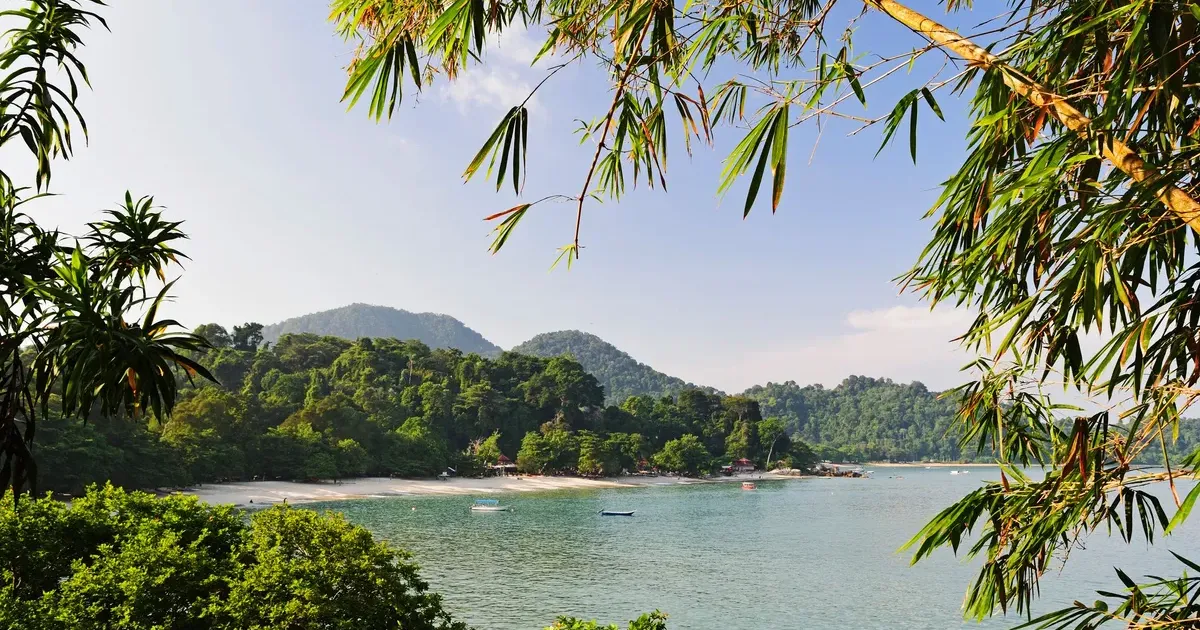
Ringed by karst mountains and lush jungles, the beaches of this region provide ideal places to escape from the world.
That appeal is exactly why high-end developers are interested. Conde Nast Traveler and other travel publications have helped frame the Philippine archipelago as a dreamscape for affluent visitors who want scenery, privacy and a sense of distance from ordinary tourism. But distance creates operational problems. Travelers often need flights, road transfers and boats. Every new route that makes an island easier to reach also increases pressure on water systems, waste collection, reefs and local housing.
Siargao shows the tension. Boutique hotels and surf tourism bring money, but island infrastructure can struggle with potable water, power reliability and waste management. Desalination, generators and imported supplies can keep resorts running while shifting environmental costs elsewhere. Luxury does not erase scarcity. It often hides scarcity from the guest.
Regional Rivals Follow the Same Model
Malaysia and Vietnam are also trying to capture travelers who want beach access without the feel of a fully industrialized resort strip. The Perhentian Islands continue to attract divers and visitors drawn to a lighter footprint, while Phu Quoc has moved faster toward large-scale development. Those two models reveal the region's choice: preserve scarcity and charge for it, or build aggressively and hope the brand survives the consequences.
Phu Quoc's large projects show how quickly a destination can turn natural appeal into a controlled leisure product. The strategy can bring jobs, infrastructure and tax revenue. It can also create a place that feels more designed for outside capital than local life. When a coastal town becomes a stage set for visitors, the question is no longer whether tourism has arrived. It is who the destination is being rebuilt for.
Air access is the other decisive factor. More direct flights can move a beach from niche to mainstream in a single season. Hotels welcome that capacity, investors price it in, and local governments see revenue. The environmental side is less tidy. Larger airports and more routes bring emissions, land pressure and a faster visitor churn. The same infrastructure that unlocks premium tourism can overwhelm the destination it was meant to elevate.
What Luxury Tourism Is Consuming
Watching Southeast Asian governments scramble to monetize their coastlines is a lesson in short-term greed dressed up as sustainable development. These countries claim to prioritize conservation, yet they continue to approve airport expansions and luxury projects that permanently alter delicate ecosystems. The language of regenerative travel is a convenient marketing tool for wealthy travelers arriving on carbon-heavy long-haul flights. In practice, luxury tourism can become a more expensive version of the mass-market exploitation that damaged famous beach towns decades ago.
Why should anyone assume that a high-priced resort in Palawan is automatically less destructive than a mid-range hotel in Phuket? Both demand water, produce waste and can push local communities away from land they once used freely. Catering to the elite does not solve resource depletion. It can simply fence off the remaining beauty for those with the deepest pockets while the surrounding environment continues to degrade.
Real conservation would require hard caps on total visitors, strict limits on new construction and infrastructure planning that treats water, waste and housing as non-negotiable. Few regional governments have shown the courage to put those limits ahead of near-term revenue. Investors should look closely at the stressed systems behind the five-star facades. Nature is a finite resource, and the tourism industry is liquidating it for quarterly gains.