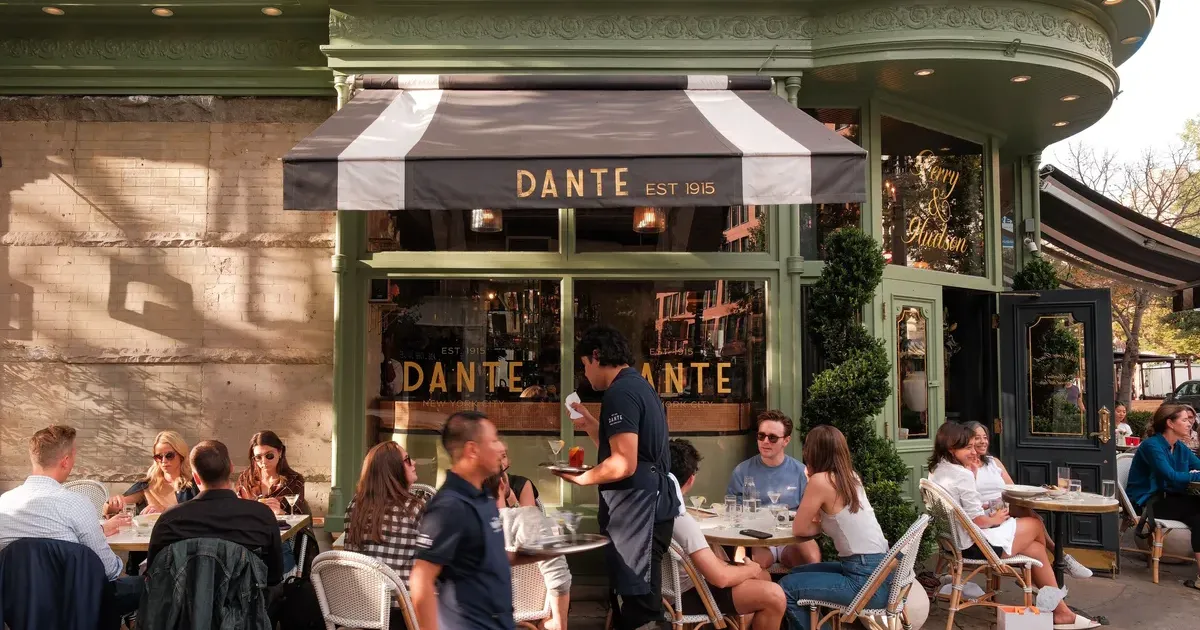
New York City restaurants are entering a new phase of permanent outdoor dining after years of emergency sidewalk structures. The change turns pandemic-era street dining into a regulated urban management test. Restaurants now have to treat curb and sidewalk space as a permitted asset, not temporary relief. That makes design, drainage, pedestrian clearance and storage part of the business model.
The Dining Out NYC framework separates approved setups from improvised sheds that no longer meet city rules. Operators are adjusting to a system that permits sidewalk cafes year-round while treating roadway cafes as seasonal structures. For residents, the rules promise cleaner streets and fewer abandoned enclosures. For restaurant owners, they add another layer of cost, paperwork and inspection risk.
The demand for outdoor tables has not disappeared. Diners still want al fresco seating, especially in neighborhoods where spring weather turns sidewalks into part of the restaurant scene. What has changed is the standard. The city is no longer willing to tolerate the rough plywood structures that spread during the emergency phase. Outdoor dining now has to look intentional, stay removable and leave room for the public.
DOT Enforces Dining Shed Rules
New York's Department of Transportation requires roadway cafes to be removable and seasonal so streets can still be cleaned, repaired and cleared in winter. That rule gives the city flexibility, but it shifts practical costs onto restaurants. Tables, barriers, platforms and planters have to be assembled, dismantled and stored. For a small restaurant, that annual cycle can be expensive enough to change whether outdoor service makes sense.
Sidewalk clearance is another central issue. Restaurants must leave enough space for pedestrians, wheelchairs, strollers and delivery workers to move without being forced into the street. That requirement is not cosmetic. Outdoor dining occupies public space, and the city has to balance private revenue against public movement. Fines and removal threats give the rules force, especially in crowded commercial districts.
The Dining Out NYC program is meant to create a cleaner, safer and more predictable system for using public space.
Officials have argued that removing non-compliant sheds improves sightlines, sanitation and curb access. That argument has support from residents who lived for years with abandoned structures, blocked corners and trash trapped around enclosed platforms. Restaurant owners counter that the city encouraged outdoor dining when businesses were desperate and is now asking them to absorb a more expensive version of the same policy.
West Village Restaurants Test the New Model
The West Village shows how outdoor dining can work under the stricter rules, but it also shows who benefits most. Well-funded restaurants can invest in coordinated umbrellas, planters, furniture and lighting that blend into historic streetscapes. Those setups satisfy customers and often reduce conflict with community boards. They also require capital that smaller neighborhood spots may not have.
Dante West Village and similar venues illustrate the polished version of the new sidewalk economy. Outdoor seating is no longer treated as overflow. During warm months it can become the main draw, shaping menus, staffing and service rhythms. A good sidewalk setup can make a restaurant feel more open to the city while still operating as a controlled dining room.
Residential density keeps the model fragile. Noise, crowding, closing times and liquor-license conditions can turn one successful terrace into a neighborhood fight. Block associations monitor outdoor service closely because sidewalk dining changes the sound and movement of a street. The social contract is simple but difficult: restaurants get extra seats only if residents can still sleep, walk and live around them.
Outdoor Seating Changes Restaurant Real Estate
Outdoor dining rights have started to influence how landlords and brokers describe restaurant spaces. A storefront with usable sidewalk frontage can be more valuable than one without it because every table can add revenue. That logic pushes restaurant real estate deeper into the permitting system. The street is no longer just an address. It is part of the lease calculation.
Landlords also have incentives to prefer tenants who can maintain attractive outdoor setups. A well-run cafe can make a building feel more active and desirable. A neglected structure can do the opposite, drawing complaints from residents above and pedestrians passing by. That pressure favors operators with design budgets, legal help and management staff.
The risk is that permanent outdoor dining becomes another filter that separates corporate-backed restaurant groups from family-owned establishments. Permit applications, drawings, insurance requirements and seasonal logistics all take time and money. A program created to help restaurants survive can, in its permanent form, reward the restaurants best equipped to navigate bureaucracy.
What the Sidewalk Rules Change
Sanitizing the chaos of New York City's streets through Dining Out NYC is a necessary evil that still strips away some of the city's improvised character. By imposing a uniform system of regulated structures, the city has effectively gentrified the sidewalk itself. The transition favors deep-pocketed establishments that can afford polished compliance while squeezing the neighborhood dives that gave the street its texture. New York is trading organic urban improvisation for a predictable, approved aesthetic that often serves real estate value more than ordinary residents.
The Department of Transportation has become an arbiter of taste and commerce, wielding permits against those who cannot afford the cost of compliance. Better sanitation and pedestrian flow are real benefits, but they also provide convenient language for monetizing every square foot of public space. If the city prioritizes aesthetic uniformity over entrepreneurial grit, the street life that defined Manhattan will be replaced by a sterile outdoor mall experience. Regulated beauty is often just another word for exclusion.