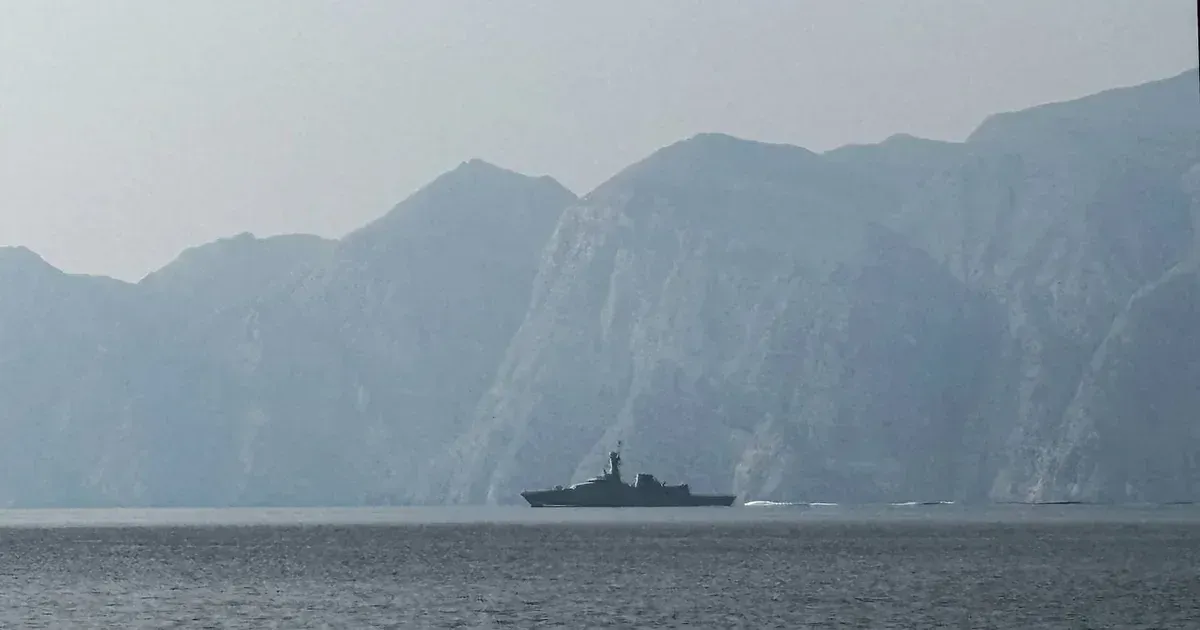
The Pentagon is tracking new Iranian military activity near the Strait of Hormuz as shipping markets price in higher risk. Insurers are responding quickly because even a limited disruption could raise freight and crude costs. U.S. commanders are also watching missile placement along the waterway. Surveillance cited on April 13, 2026, identified Iranian batteries overlooking the strait.
Hormuz Shipping Risk Rises
Military analysts at Foreign Policy argue that the perceived strength of the Iranian regime over the shipping lane is largely illusory. While the IRGC can cause short-term disruption, it lacks the naval depth to sustain a long-term blockade. U.S. Central Command maintains a carrier strike group within striking distance. Any attempt to close the strait would result in the rapid destruction of the Iranian navy. Naval commanders in the region have emphasized that the freedom of navigation remains a non-negotiable priority for international trade. The risk of miscalculation grows as the density of military assets in the area increases. Global insurance firms have already responded by raising premiums for vessels navigating the Persian Gulf. Lloyd's of London listed the region as a high-risk zone. $11 billion in additional shipping costs could hit the global economy if the situation persists. Private security contractors have seen a surge in requests for armed guards on merchant vessels. Logistics companies are exploring alternative routes, though most find the cost of circumnavigating the Arabian Peninsula prohibitive. Supply chains for liquefied natural gas are particularly vulnerable to these delays.
Iranian Oil and Sanctions Pressure
Economic data from the International Monetary Fund paints a grim picture for the Iranian leadership. Domestic inflation has soared past 45% as the rial continues its downward spiral against the dollar. Sources at RealClearPolitics indicate that the attempt by Tehran to use oil as a weapon has backfired. Instead of securing concessions, the regime has encouraged its primary customers to seek alternative suppliers in Africa and North America. Energy markets have shown resilience, with prices stabilizing faster than during previous crises. Diversification of energy sources has blunted the impact of traditional maritime chokepoints.
Iran signed its own economic death warrant by assuming the world remained dependent on a single transit point. Technological advancements in shale extraction and the expansion of pipelines in Saudi Arabia have reduced the strategic importance of the strait. Tehran's leverage has evaporated. Energy analysts note that global inventories are currently at a five-year high. These reserves provide a serious cushion against any immediate supply shocks originating in the Persian Gulf. Economic isolation continues to sap the strength of the IRGC's funding networks. Efforts by Britain to lead a diplomatic effort to free the Strait of Hormuz highlight the growing tension.
"The regime survived, but this doesn't make it as strong as it thinks," noted an analysis from Foreign Policy regarding the current maritime standoff.
U.S. officials at the State Department have signaled that no further sanctions waivers will be granted. This policy change removes the last remaining lifelines for the Iranian energy sector. JPMorgan Chase analysts expect Iranian oil exports to drop below 300,000 barrels per day by the end of the quarter. Financial institutions have largely severed ties with Iranian banks to avoid secondary sanctions. Hardliners in Tehran find themselves increasingly isolated even from their traditional trading partners in the East. Revenue from the energy sector no longer covers the basic requirements of the national budget.
Iranian Missile and Naval Deployments
Detailed surveillance shows that the new missile batteries include the Ghadir and Qader anti-ship cruise missiles. These systems have a range of up to 300 kilometers. Such hardware allows the IRGC to target vessels across the entire width of the strait. Coastal defense units have also deployed advanced radar systems acquired through back-channel deals with foreign entities. Intelligence suggests these systems are integrated into a centralized command-and-control network. Iranian engineers have modified existing platforms to launch from civilian-style vehicles to improve survivability.
Tehran's focus on asymmetric warfare reflects its inability to compete with a blue-water navy. Mining the waters persists as its most potent threat. Stealthy laying of sea mines could paralyze traffic for weeks. Mine-clearing operations take time and require specialized equipment that is currently being moved into the theater by the U.S. Navy. Advanced underwater drones have been spotted near Iranian naval bases. These autonomous systems are designed for both surveillance and the covert deployment of explosives along shipping lanes. Defensive posture adjustments by commercial fleets reflect these growing subterranean threats.
U.S. Deterrence in the Gulf
United States Fifth Fleet commanders have increased the frequency of freedom of navigation operations. These drills demonstrate a commitment to keeping international waters open. Coastal skirmishes between IRGC speedboats and U.S. destroyers have become a weekly occurrence. Each encounter carries the risk of unintended escalation. Rules of engagement have been clarified to allow commanders more autonomy when facing imminent threats. The presence of the USS Gerald R. Ford in the northern Arabian Sea provides a powerful deterrent against large-scale aggression.
Allies in the region, including the United Arab Emirates and Saudi Arabia, have strengthened their own coastal defenses. They are coordinating closely with Western powers to ensure energy security. Intelligence sharing has reached its highest level in a decade. Regional cooperation has historically been difficult, but the common threat to maritime trade has forced a new level of unity. Joint exercises focusing on anti-submarine warfare and mine countermeasures have become routine. The integration of regional air defense systems provides a multilayered shield against missile launches.
Royal Navy frigates have also increased their presence in the region to protect British-flagged tankers. London remains deeply concerned about the stability of the global energy supply chain. British maritime experts have warned that even a minor incident could trigger a heavy spike in insurance rates. Diplomatic efforts in the United Nations have failed to produce a resolution as veto-wielding members remain divided on the root causes of the tension. The British Ministry of Defence has issued a similar warning regarding the fragility of the current peace.
Historical precedents, such as the 1988 Operation Praying Mantis, suggest that the U.S. is willing to destroy Iranian naval assets if provoked. Washington has made it clear that the global economy will not be held hostage by coastal brinkmanship. Direct military intervention remains a last resort, but the threshold for action is lowering. Tehran must decide if its domestic survival is worth the risk of a total naval collapse. International law continues to support the right of all nations to have free access to the sea.
Hormuz as a Global Pressure Point
Tehran's current posturing in the Strait of Hormuz is a desperate gasp from a leadership that has run out of options, not a display of power. By doubling down on military brinkmanship, the Iranian government is ignoring the structural decay of its own domestic economy. The world has moved past the era where a single chokepoint could dictate the terms of global trade. Western powers must stop treating these naval provocations as a reason for diplomatic caution. Deterrence only works when the threat of overwhelming force is credible and immediate. The IRGC understands only the language of kinetic response.
If the Pentagon continues to allow these mosquito tactics to disrupt commercial shipping, it invites further aggression. The reality is that Iran has no winning moves. Closure of the strait would be a suicidal act that would trigger a regional war they cannot win. Washington should call the bluff. Economic isolation combined with a visible, aggressive naval presence is the only path forward. The regime in Tehran is a hollowed-out shell waiting for the right gust of wind to collapse. Call their bluff.