Britain's push to gather countries around the Strait of Hormuz crisis was more than a diplomatic photo opportunity. It exposed a practical weakness in the global energy system: the ships, insurers and importers need clear guarantees faster than governments usually produce them.
The April UK-led meeting brought dozens of countries into a discussion on reopening the strait after Iranian restrictions and attacks disrupted one of the world's most important energy corridors. AP reported that more than 40 countries were involved, while other coverage placed the planned virtual format around 35 governments, with British foreign minister Yvette Cooper chairing and Prime Minister Keir Starmer warning that reopening the route would not be easy. The early diplomatic effort now looks even more relevant after July's renewed U.S.-Iran escalation, U.S. blockade measures and fresh market anxiety around the Gulf.
The Strait Is a Global Cost Channel
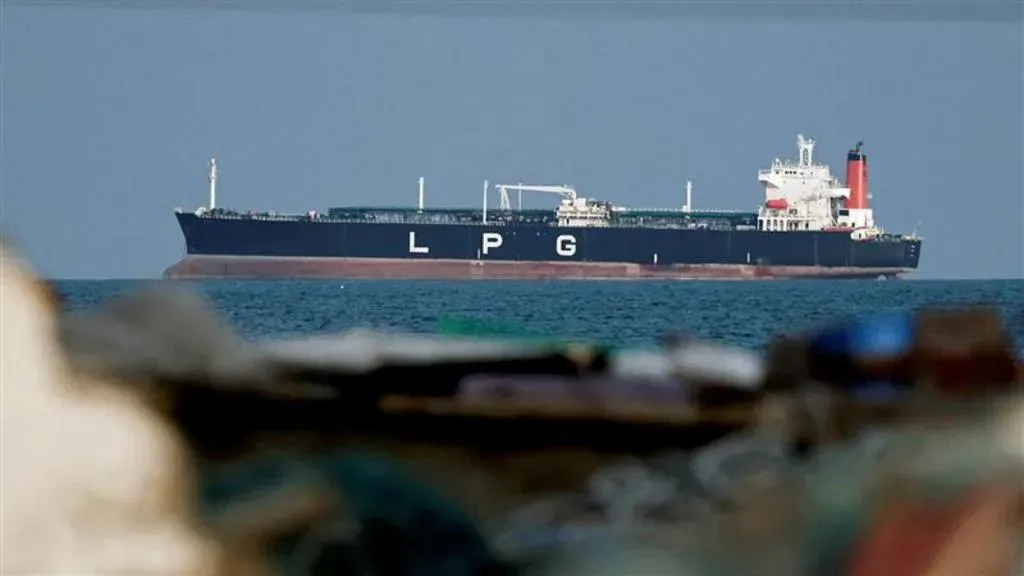
Hormuz is not only a regional waterway. It is a pricing channel for oil, liquefied natural gas, freight, insurance and inflation expectations. Around a fifth of globally traded oil and a similar share of natural gas move through the route in normal periods. When traffic slows, the effect travels into refinery planning, airline fuel hedges, Asian power costs, European inflation models and central-bank caution.
Britain's convening role therefore matters even if London no longer commands the Gulf as an imperial power or a dominant energy buyer. A Hormuz shock does not wait for perfect diplomatic hierarchy. If a credible meeting can pull European allies, Asian importers, Gulf governments and shipping powers toward shared language, it can reduce some of the confusion that makes traders price the worst case.
Military Patrols Cannot Replace Political Guarantees
Naval patrols are necessary when missiles, drones, mines or boarding threats are in play. They can deter attacks, escort vessels and reassure crews. They cannot by themselves restore normal commercial confidence. Tanker owners and insurers need to know which lanes are usable, who is responsible for incidents, whether coastal claims will be challenged and how quickly a ship can receive help if threatened.
Diplomacy becomes part of the security architecture, not an ornamental extra. A warship can protect one convoy. A political framework can tell hundreds of operators whether the route is returning to something close to normal. Without that framework, even successful patrols leave the market guessing.
Asian Importers Carry the Direct Exposure
The UK-led format also recognized a basic reality: Japan, South Korea, India and China have enormous stakes in Gulf energy flows. Their politics differ sharply. Some sit inside U.S.-aligned security structures. China is a strategic competitor of Washington. India tries to preserve room for maneuver. But all of them pay when Hormuz becomes unreliable.
Shared exposure makes a broad forum useful. It does not require every importer to join the same military command or endorse every U.S. strike. It can still produce pressure for safe passage, deconfliction and a route back to commercial predictability. Energy security often begins with steady coordination before it reaches dramatic military decisions.
The U.S. Absence Changed the Meaning of the Talks
Reports around the April meeting said the United States was not due to attend. The U.S. absence mattered. President Donald Trump had argued that countries relying on the waterway should carry more responsibility for keeping it open, and later U.S. policy moved through blockade threats, strike escalation and a briefly floated 20% cargo-toll idea before that toll proposal was withdrawn.
For other governments, U.S. tactics created a difficult lane. They could not ignore U.S. military weight, but they also could not leave the diplomatic side entirely to Washington's changing tactics. Britain's role was therefore less about replacing the United States and more about keeping a non-military table open while the military track became louder.
Law Needs Operational Backing
The principle of transit passage through international straits is familiar in legal terms, but the market does not move on legal theory alone. If crews fear seizure, insurers raise premiums or charterers delay voyages, the route can be damaged even before a formal closure is fully effective. The gap between law and operational confidence is where Hormuz becomes expensive.
The gap between law and confidence requires concrete work: notice procedures, mine-clearance commitments, contact channels, shared incident reporting, rules for escort operations and language that Gulf states, Asian buyers and Western navies can actually live with. A communique that repeats freedom-of-navigation language is not enough if captains still cannot tell whether sailing is a defensible business decision.
The Diplomatic Measure Is Freight, Not Applause
Britain can convene, draft and mediate. It cannot single-handedly underwrite every tanker, command every navy or force Tehran and Washington back into a durable settlement. The effort succeeds only if importers, Gulf governments and naval powers convert the same language into visible behavior on the water.
The market will judge the outcome faster than diplomats do. If shipping lanes reopen, insurance premiums ease and energy buyers stop pricing emergency scenarios, the talks will have mattered. If tankers keep waiting and governments keep trading statements while missiles and sanctions shape the facts, the diplomatic process will look ceremonial. Hormuz is now testing whether political coordination can move quickly enough to keep commercial fear from becoming the operating system of global energy.