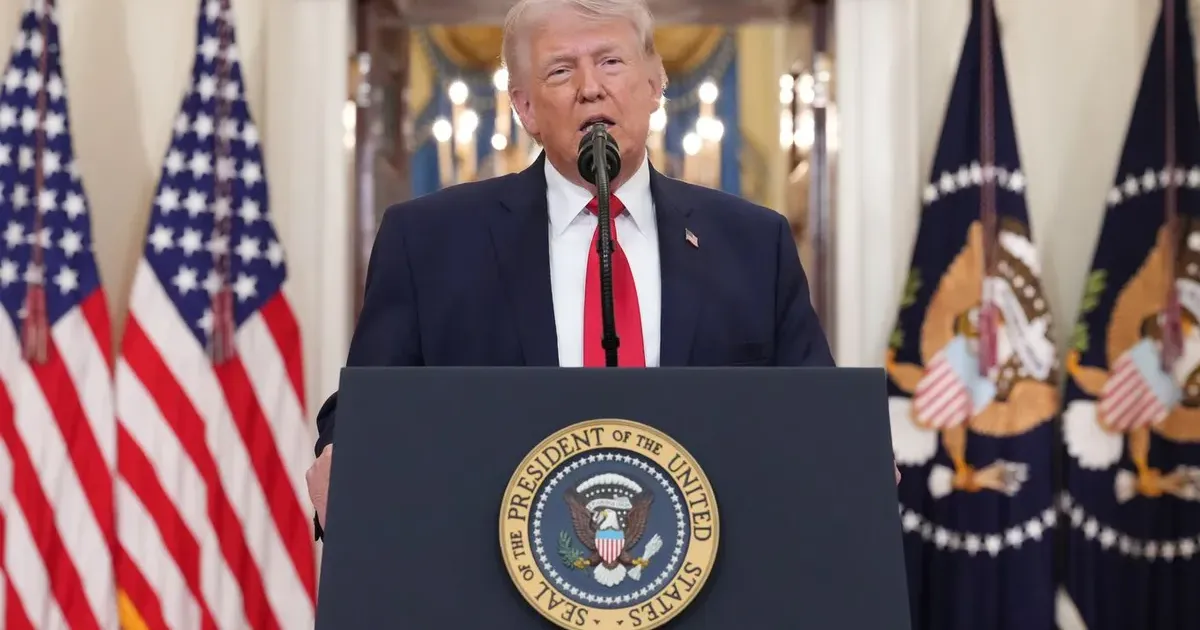
President Donald Trump's latest warning over Iran has moved the argument beyond military pressure and into the danger zone of civilian infrastructure. After renewed U.S. strikes and a reimposed naval blockade around Iran, Trump threatened further action if Tehran does not move toward a deal, with reporting pointing to power plants and bridges as possible future targets.
The shift toward civilian infrastructure matters. A missile site, barracks or command node is one category of target. Power generation and transport links are different because civilians depend on them immediately. Hospitals, water pumping, refrigeration, communications, fuel distribution and emergency services all sit behind the word "infrastructure." Once those systems are treated as pressure tools, leverage starts to resemble collective punishment.
Power Plants Are Not Ordinary Targets
Energy infrastructure can have military value, especially when it supports weapons production, radar, bases or command networks. But power plants also keep civilian life functioning. The same electricity that supports a military facility can run dialysis machines, traffic systems, food storage and water treatment.
The dual-use problem makes broad threats dangerous. International humanitarian law does not treat every power-related target as immune, but it requires distinction, proportionality and military necessity. A public threat to knock out civilian systems before the target list is explained makes those standards harder to trust.
Hormuz Makes the Threat Global
The infrastructure warning now sits inside a wider fight over the Strait of Hormuz. The U.S. has pressed Iran over attacks on ships and freedom of passage through a corridor tied to a large share of global oil and gas trade. Iran, in turn, has threatened wider disruption and has treated control of the strait as a strategic lever.
The global energy link means the costs of escalation would not stop in Iran. Gulf states, Asian importers, European allies and U.S. consumers would all feel the shock if the conflict pushed shipping insurance, crude prices or retaliation higher. A strike plan meant to force Tehran toward talks could raise the economic price before any diplomatic gain appears.
Markets Price Risk Before Damage
Oil markets do not wait for refineries to burn before reacting. Traders move on threats, blockades, tanker attacks and the possibility that a regional conflict could interrupt supply. Market sensitivity is already a political problem for Washington because energy prices feed into gasoline, freight, food and inflation expectations.
The contradiction is obvious. Trump wants military pressure to create negotiating leverage. But if the pressure lifts oil prices and frightens allies, it can weaken the political room he needs to sustain the campaign. The White House can threaten Iran, but it cannot order markets to ignore Hormuz.
Tehran May Not Break on Schedule
The theory behind infrastructure threats is that pain will force leaders to bargain. History gives that theory a mixed record. Attacks on civilian-support systems can harden public opinion, strengthen security factions and allow governments to blame foreign assault for domestic suffering.
Iran's leadership has long used external threat narratives to consolidate control. If U.S. threats are framed inside Tehran as attacks on ordinary life, hardliners may gain more room rather than less. Pressure can work only when it is tied to a plausible off-ramp. Destruction without an exit becomes punishment with no clear end state.
Allies Have to Carry the Fallout
European and Gulf partners may support pressure on Iran's nuclear program, missile forces or maritime behavior. They are less likely to welcome a campaign that turns bridges and power systems into headline targets. Refugee flows, fuel spikes, retaliatory attacks and legal disputes would land on coalition politics quickly.
Washington cannot push allied concern to the side. A military coalition is held together by objectives and limits. If allies believe the objectives are expanding faster than the limits, support can fracture even among governments that distrust Tehran.
Open-Ended Threats Weaken the Exit
The central problem is strategic discipline. Threats can start negotiations, but they cannot define the settlement. A serious Iran policy needs clear demands, credible deterrence, lawful target selection and a public explanation of what steps would stop escalation.
Without those limits, infrastructure threats become self-defeating. They signal strength for a news cycle, then raise the legal, humanitarian and economic cost of every next move. If Washington's message is only that it can destroy more, Tehran has less reason to trust a deal and allies have less reason to defend the campaign. The United States needs leverage. It also needs an exit that does not run through the civilian grid.