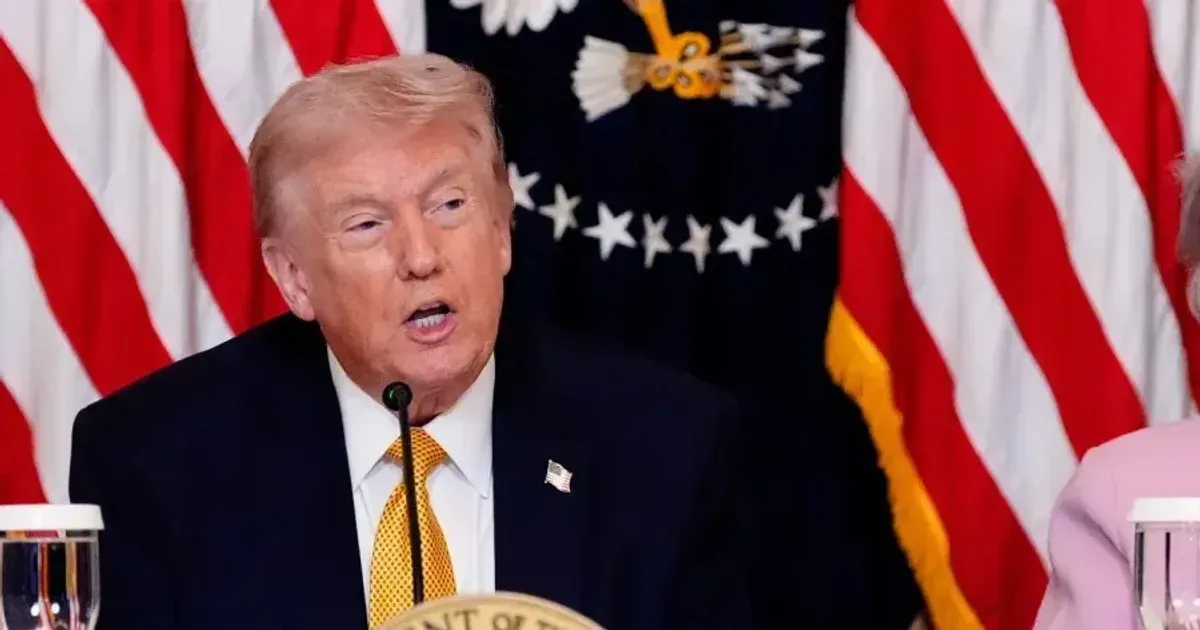
Keir Starmer is trying to protect shipping through the Strait of Hormuz without letting the mission become a NATO-branded step toward a wider Iran war. The dispute sharpened on March 16, 2026, as London and Washington weighed different ways to present a maritime security mission without giving Tehran a larger alliance target. Prime Minister Keir Starmer addressed reporters at 10 Downing Street on Monday to distance the United Kingdom from a proposed military coalition in the Strait of Hormuz. Speaking from a press conference following recent hostilities, the British leader emphasized that his government would not be drawn into a wider war with Iran.
London Draws a Military Line
Keir Starmer confirmed he is coordinating with European allies to develop a viable plan for protecting oil tankers, yet he explicitly ruled out the use of the NATO alliance for the operation. Tensions between London and Washington have intensified since the White House began pressuring partners to deploy warships to the region. Donald Trump issued a blunt warning to allies that failure to participate in a collective naval effort would be very bad for the future of the North Atlantic Treaty Organization.
Hormuz Still Shapes Oil Politics
The president spent Monday morning in the White House East Room dismissing concerns that Israel might resort to nuclear force in the escalating conflict. Donald Trump told reporters that Israel would never do that when asked about warnings from his own advisers regarding the risk of nuclear escalation. Defense officials in Washington have quietly expressed concern that the intensity of recent strikes could push regional actors toward extreme measures. President Trump rejected these warnings as unfounded, maintaining that Israeli leadership understands the gravity of such a decision. The waterway carries a large share of global oil and gas flows, so attacks or closures can quickly affect energy markets. A NATO label can harden diplomatic lines and make a limited patrol look like alliance escalation.
Alliance Pressure Without Alliance Cover
White House aides later clarified that the administration remains in close contact with Tel Aviv regarding the scope of ongoing military operations against Iranian targets.
Trump Demands International Fleet for Hormuz
Failure to secure the waterway could have dire consequences for the global economy, according to recent White House briefings. Donald Trump has called for a joint effort involving the United States, China, France, Japan, and South Korea to restore freedom of navigation. This demand follows more than two weeks of U.S. and Israeli airstrikes on Iranian infrastructure.
The Strait of Hormuz provides passage for approximately one fifth of the world oil supply, making it the most significant maritime chokepoint on the planet. Foreign policy experts note that the American president is using the crisis to test the commitment of his international partners. London remains hesitant to commit significant naval assets to a mission that could be perceived as an extension of American offensive strategy.
Keir Starmer told the media that Britain is working to ease economic impacts without escalating the physical combat. Foreign Secretary David Lammy has reportedly been in talks with Gulf partners to find a middle ground that does not involve NATO command structures. Many in the British government are still frustrated by a previous White House request to use U.S. bases during the initial wave of airstrikes, a request that London ultimately denied. Ships belonging to the Royal Navy are currently monitoring the situation from a distance while the Cabinet debates the risk of direct involvement.
Starmer Rejects NATO Label for Shipping Protection
Let me be clear, that won’t be, and it’s never envisioned to be, a NATO mission.
Starmer remained firm on the NATO distinction. By contrast, the White House continues to frame the situation as a collective security crisis that falls under the purview of Western alliances.
Donald Trump characterized his recent 15-minute phone call with Starmer as perfectly good, despite the clear divergence in their tactical approaches. Keir Starmer argued that a European-led or partner-led coalition would be more effective at de-escalating the situation than a formal NATO deployment. Investors have watched these diplomatic frictions with growing anxiety as the cost of shipping insurance for tankers in the Persian Gulf continues to rise.
Freedom of navigation remains the stated goal for both leaders, but the mechanism for achieving it is a source of profound disagreement.
Iran Uses Global Energy Costs in Conflict
Iran recognizes the leverage it holds over the global energy supply.
Tehran has signaled that it will not back down easily, preferring to impose massive costs on the global economy to force an American withdrawal. Global markets have already seen crude prices climb toward $140 per barrel as the blockade in the Strait of Hormuz persists. For instance, several major shipping firms have redirected their fleets around the Cape of Good Hope, adding weeks to delivery times and thousands of dollars in fuel costs.
Starmer Is Trying to Avoid the Alliance Trap
Starmer is not being cautious because the Strait of Hormuz is unimportant. He is being cautious because the NATO label can turn a maritime patrol into a treaty-level confrontation before anyone admits that the mission has changed. Washington wants flags, ships and political cover. London sees the obvious danger: once the alliance brand is attached to the operation, every Iranian drone launch becomes a test of NATO credibility.
That is the trap Starmer is trying to avoid. A limited shipping mission may be necessary, but a branded alliance mission would give Tehran the propaganda victory it wants and force European governments into a war posture they have not sold to their voters. The hard truth is that energy security now demands military protection, yet every protective move risks becoming the next escalation ladder. Starmer is drawing a line because someone in the room has to remember that deterrence without discipline is just drift toward war.