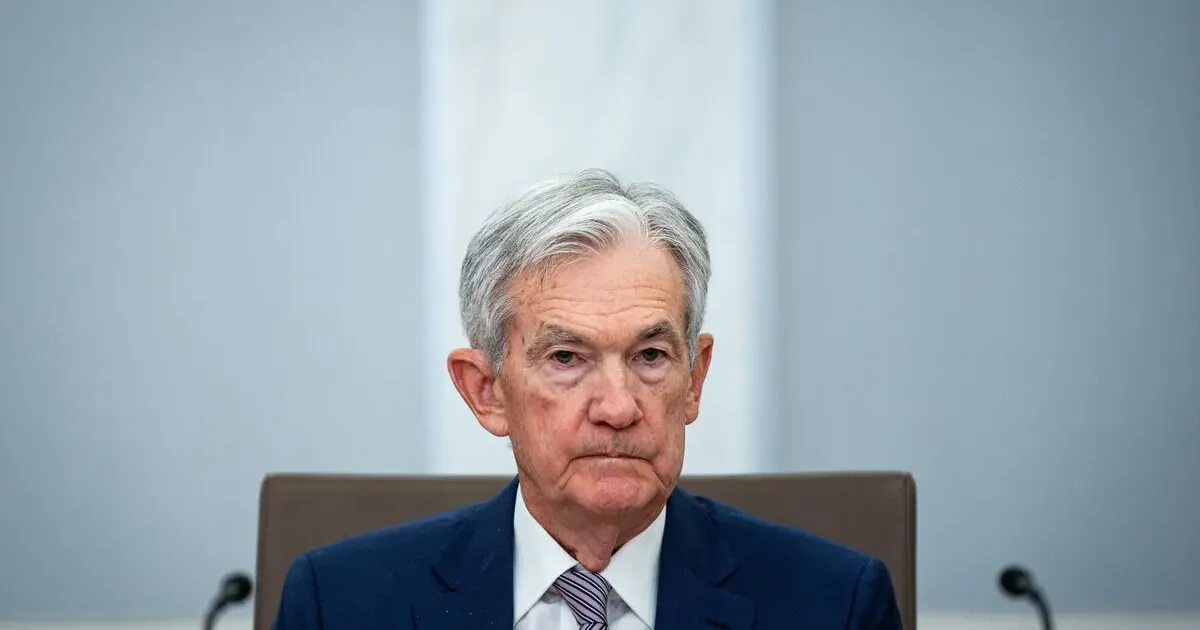
Jerome Powell's March rate caution was less a promise about the next meeting than an admission that the Iran war had split the Federal Reserve's normal playbook. Energy shocks can lift inflation while weaker confidence, higher transport costs and trade disruption weigh on growth.
The dilemma did not disappear when Kevin Warsh later took over the Fed chairmanship. The names changed; the policy problem remained. A central bank can react to the economic effects of war, but it cannot control the military cause.
The Fed Cannot Reopen A Strait With Rates
Powell's core message was that monetary policy has limits when the shock begins in oil markets and shipping risk. If crude prices rise because the Strait of Hormuz looks unsafe, higher interest rates will not reopen the route. If households pull back because fuel and borrowing costs squeeze budgets, rate cuts may feed inflation expectations.
The Fed sits in an uncomfortable middle ground. The Fed can lean against second-round inflation, but it cannot remove the geopolitical shock itself. Markets often want a clean rate path. War makes that path conditional.
First-Round And Second-Round Effects Matter
A temporary oil spike can pass through gasoline, jet fuel, freight and heating costs. If it fades, the Fed may look through some of the headline move. A longer shock is more dangerous because it can alter business pricing, wage demands and household inflation expectations.
Powell avoided sounding too certain. Cutting too early could make the Fed look relaxed about inflation. Holding too long could deepen pressure on consumers and businesses already absorbing higher energy costs. The correct policy depends on data that arrives with a lag.
The Labor Mandate Is Pulled Into The Same Shock
The war does not only affect prices. Companies facing higher logistics, fuel or import costs may delay hiring, cut hours or postpone investment. That brings the Fed's maximum-employment mandate into the same conversation as price stability.
The split is difficult because the same shock can argue for opposite responses. Inflation risk points toward tighter policy or patience before cuts. Hiring risk points toward relief. A central bank that treats only one side as real can lose credibility with the other.
June Inflation Gave Relief, Not Certainty
By July, softer June inflation data gave the Fed some breathing room because energy prices had eased during a temporary U.S.-Iran pause. The report offered relief, but it was not decisive. Renewed fighting and oil-market pressure quickly reminded policymakers that one good report does not settle the path.
Warsh's early testimony carried the same caution in a new voice: inflation progress matters, but geopolitical energy risk can return before the next policy meeting. Renewed geopolitical risk keeps the Fed from turning a single CPI report into a victory announcement.
Central-bank guidance is valuable when the economy follows a recognizable path. It can become dangerous when oil prices, shipping routes and battlefield decisions change the forecast faster than officials can update it. A firm pledge on rates can look disciplined one week and reckless the next.
Caution is not the same as drift. Waiting for data is a policy choice when the alternative is pretending to know whether the shock will fade, spread or become embedded in expectations.
The Message Was Caution Because Certainty Was False
Powell's caution was the point. The Fed was not choosing indecision out of weakness. It was acknowledging that the wrong kind of certainty would be worse.
The next inflation reports, oil prices, jobs data and credit conditions will matter more than any single speech. Monetary policy can protect credibility and respond to second-round effects. It cannot forecast a war cleanly, and it cannot make geopolitical risk disappear. That is the Fed's Iran-war dilemma, regardless of who occupies the chair.