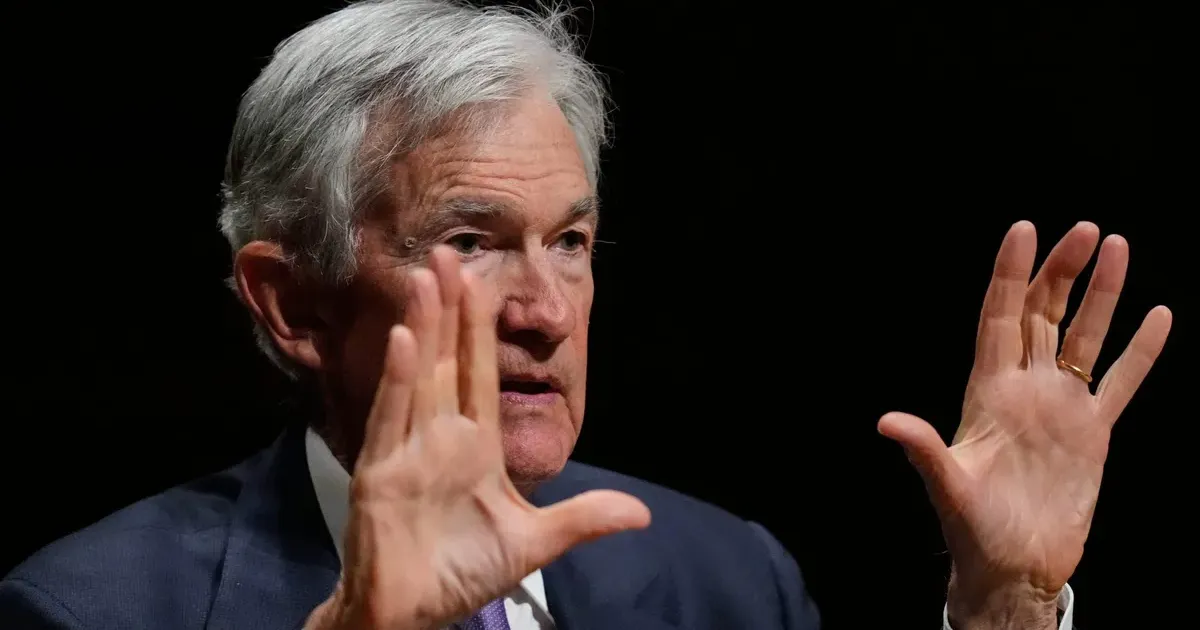
Jerome Powell's warning on U.S. debt was powerful because it avoided panic. The Federal Reserve chair did not tell Harvard students that the current debt level, near $39 trillion, had already made the United States insolvent. His point was narrower and more serious: the path is not sustainable if federal borrowing keeps growing faster than the economy that has to support it.
The debt level and the debt path are separate problems. A country with the dollar, deep Treasury markets and enormous productive capacity can carry a large debt load for a long time. But time is not the same as safety. Powell was warning that Washington is spending its fiscal advantage without rebuilding the political discipline that made that advantage credible.
The Level Is Not The Whole Problem
Debt debates often get stuck on the headline number. A large figure sounds alarming, but sustainability depends on the relationship between debt, growth, interest rates and political capacity. A debt stock can be manageable when the economy grows, investors remain confident and interest costs do not overwhelm the budget.
Powell's concern was trajectory. If debt rises faster than GDP year after year, the burden becomes harder to stabilize. Interest payments take more room. Future spending choices become tighter. Crisis response becomes more expensive. The danger is not one dramatic cliff; it is a gradual loss of freedom disguised as normal budgeting.
The Dollar Buys Room To Delay
The United States has advantages most governments do not have. Treasury securities remain central to the global financial system. The dollar is still the main reserve currency. Foreign central banks, pension funds, banks and private investors continue to use U.S. debt as a safe and liquid asset. Steady demand gives Washington more room than weaker borrowers.
Those advantages can also encourage complacency. A government that can borrow easily may treat market confidence as permanent. It is not. Reserve-currency status erodes slowly until it is tested suddenly. Investors do not need to abandon Treasuries entirely to raise the cost of fiscal drift. They only need to demand more compensation for long-term risk.
The Fed Cannot Legislate A Fiscal Fix
Powell's warning also marked the limit of central-bank power. The Fed can set monetary policy, manage inflation expectations and influence short-term interest rates. It cannot decide tax levels, entitlement formulas, defense budgets or spending priorities. Fiscal sustainability belongs to Congress and the White House.
The division is often politically convenient. Lawmakers can praise the Fed's independence while ignoring fiscal arithmetic. Presidents can pressure the central bank for lower rates while adding to deficits. But lower rates cannot solve a structural budget gap if the underlying spending and revenue path keeps widening. Monetary policy can buy time; it cannot make debt math disappear.
Interest Costs Turn Debt Into A Budget Fight
The most visible pressure is interest expense. When rates rise or debt grows, more federal money goes toward servicing old borrowing. That leaves less room for infrastructure, research, defense readiness, disaster response, health programs or tax relief. The budget begins to pay for yesterday before it can debate tomorrow.
Fiscal warnings become politically difficult at this point. Serious fixes create losers. They can mean higher taxes, slower benefit growth, spending cuts, fewer new promises or some combination of all four. Officials therefore delay. Debt warnings are easy to applaud at a lecture. They become much harder when they touch voters, donors and programs with organized defenders.
War And Energy Shocks Make The Margin Thinner
Powell's debt remarks also landed in a period of geopolitical and energy uncertainty. War risk, shipping disruption and oil-price swings can complicate the Fed's inflation job even when the source of the shock is outside domestic demand. A supply shock can raise prices while households are already strained.
Fiscal weakness makes that environment harder. A government with more room can respond to emergencies without alarming bond markets. A government already running large structural deficits has less room to absorb another shock. The debt path and inflation path are not identical, but they meet in investor confidence. If markets begin to doubt fiscal discipline, long-term rates can stay higher even when the Fed wants inflation to cool.
The Political System Is The Real Variable
Powell did not offer a partisan budget plan, and that restraint was appropriate. The Fed chair should not write fiscal legislation. But his warning points directly at political failure. The United States does not lack economists who understand the problem. It lacks a governing coalition willing to tell voters that every promise cannot be financed indefinitely by future borrowing.
The message from Harvard was not that America is out of options. It was that options become more painful when leaders keep waiting. The country still has economic scale, institutional depth and market trust. Those are assets. They are not permission slips. A sustainable debt path will require elected officials to make choices before bond markets make those choices harsher for them.