The land-war question raises the stakes of the Iran campaign. Tactical options now carry strategic and domestic political consequences. President Donald Trump convened with his highest-ranking military advisors on March 30, 2026, to evaluate the deteriorating security situation in the Middle East. Intelligence reports suggest that the administration is currently weighing the tactical viability of a land invasion to neutralize Iranian missile sites. Military planners have presented several tiered options for a ground offensive, but the potential for a protracted conflict haunts the deliberation process. Defense editor Shashank Joshi noted in the latest War Room analysis that the political costs of such a commitment would be extremely high for any sitting president. Previous engagements in the region have demonstrated how quickly public support erodes when casualties mount without a clear exit strategy.
International Monetary Fund officials released a statement characterizing the ongoing conflict as a source of global yet asymmetric economic shocks. Many nations still struggling with the tail end of post-pandemic recovery face renewed inflationary pressure. High energy prices and shipping delays threaten to undo years of fiscal stabilization. Emerging markets seem particularly vulnerable to these sudden shifts in the geopolitical climate. Regional instability has already begun to trigger capital flight from developing economies. Investors are seeking refuge in traditional safe-haven assets, which strengthens the dollar but crushes the purchasing power of smaller nations.
Defense Experts Weigh Political Cost of Invasion
Shashank Joshi, the defense editor for The Economist, warned that a land war would require a level of national mobilization not seen in decades. Projections for a ground campaign against a motivated and well-armed Iranian military indicate that the United States would face meaningful logistical hurdles. Supplies would have to be routed through narrow maritime corridors that are already under threat from regional proxies. Military analysts suggest that the cost of such an operation could exceed $2 trillion over the first 24 months.
The president must be aware that the political costs of a land war could be extremely high.
Voters who supported the nationalist agenda of the current administration might balk at another multi-year occupation in the Middle East.
Strategic planners within the Pentagon are also concerned about the readiness of domestic infrastructure to support a large-scale deployment. Congressional opposition is mounting as the price tag for military preparations continues to climb. Defense contractors have reported delays in the delivery of key components for missile defense systems. These internal bottlenecks complicate the timeline for any potential escalation. Public opinion polls show a sharp divide between those favoring a quick decapitation strike and those fearing a repeat of previous regional failures.
International Monetary Fund Issues Global Shock Warning
International Monetary Fund leadership warned on March 30, 2026, that the world economy cannot easily absorb a third major supply-chain disruption this decade. Global trade routes through the Strait of Hormuz are currently operating at 40 percent capacity due to heightened risk premiums. Insurance rates for commercial tankers have surged by 600 percent in the last quarter alone. Higher transportation costs are being passed directly to consumers in the form of elevated grocery and fuel prices. Central banks that were planning to cut interest rates have now paused those decisions to combat this new wave of inflation.
Growth projections for Western Europe and East Asia have been revised downward by nearly 1.5 percentage points. While oil-producing nations might see a short-term revenue boost, the overall contraction in global demand will eventually negate those gains. Manufacturing hubs in Germany and South Korea are reporting energy shortages that could lead to industrial shutdowns. Global supply chains, already fragile from previous crises, are beginning to buckle under the strain of diverted shipping. Trade officials in Washington have expressed concern that a prolonged blockade could lead to a systemic failure of the international shipping network.
Egypt Currency Plunges on War Escalation Fears
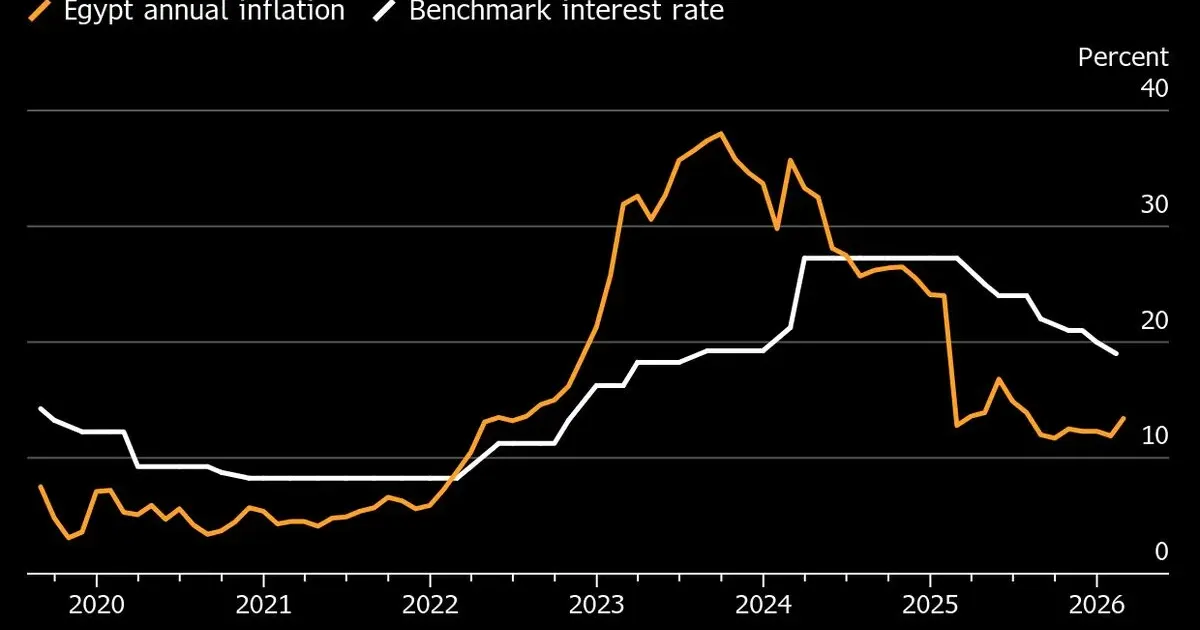
Egypt's currency weakened to another record low on March 30, 2026, as the fallout from the US-Israeli campaign against Iran intensified. Cairo's financial markets reacted with panic to rumors of an impending strike on regional energy infrastructure. Debt servicing costs for the Egyptian government are spiraling, which makes further borrowing nearly impossible without a huge bailout. Egypt's currency has lost more than 35 percent of its value against the dollar in the last three weeks. $50 billion in emergency financing may be required to prevent a total sovereign default. Basic commodity prices in Egyptian markets have doubled, which creates a serious risk of civil unrest.
Regional trade patterns indicate that Egypt is a primary victim of the Suez Canal's reduced traffic. Revenue from the canal is a foundation of the Egyptian budget, and current transit numbers are at historic lows. Foreign reserves are being depleted as the central bank attempts to defend the pound. International lenders have expressed hesitation about providing further credits until a ceasefire is established. Egypt's predicament illustrates the broader contagion effect that a localized conflict can have on the wider Mediterranean basin.
Investors are also watching the Israeli economy, which has been forced to shift toward a total war footing. Reservists have been pulled from the high-tech sector, which has slowed innovation and export growth. Military spending now accounts for nearly 15 percent of Israel's total economic output. Domestic consumption has plummeted as citizens prepare for the possibility of long-term conflict. The resilience of the Israeli financial system is being tested by the constant threat of retaliatory strikes. Foreign direct investment in the Levant region has essentially dried up as the risk of total war looms larger.
Ground War Decision Point
A ground operation would move the conflict from strike planning to occupation risk. Missile sites may be tactical targets, but territory creates open-ended exposure.
The decision also tests whether the administration can keep allies, Congress and the public aligned if casualties or regional retaliation rise.