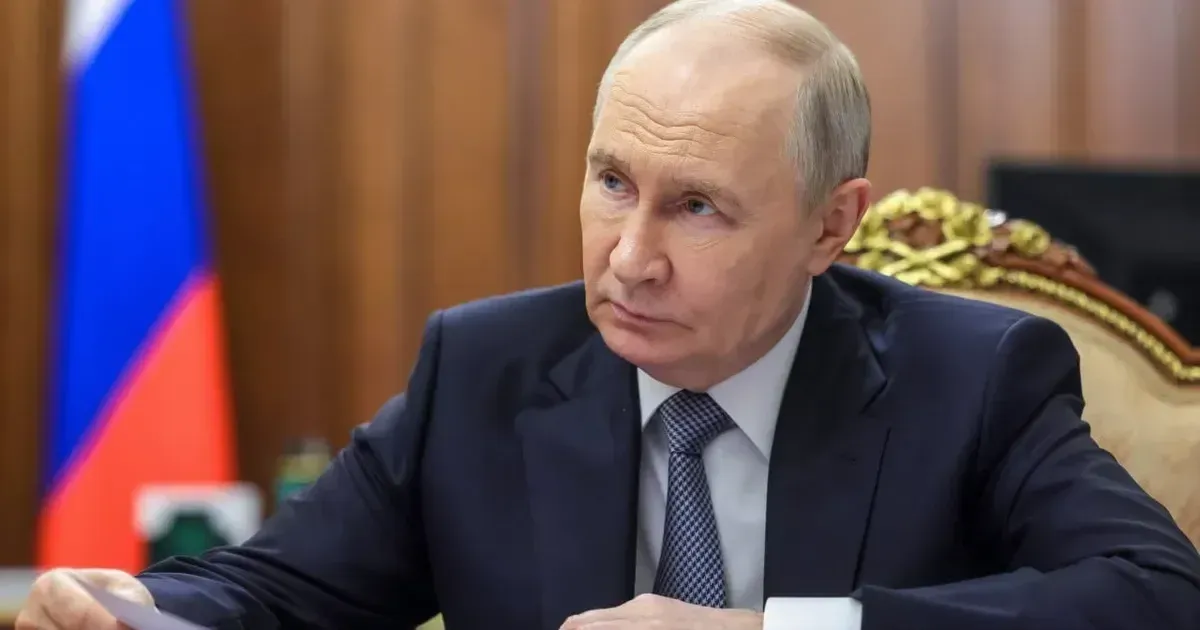
Putin's planned Beijing visit gives China another high-stakes diplomatic test immediately after Trump's trip. The Kremlin is framing the meeting as a strategic reset with Xi Jinping rather than a ceremonial stop. On May 16, 2026, Moscow confirmed that the visit would take place from May 19 to May 20.
At the invitation of President Xi Jinping, Russian President Vladimir Putin will pay a state visit to China from May 19 to 20.
The sequence matters because Beijing is trying to keep dialogue open with Washington while preserving the partnership it treats as a long-term strategic hedge. Russian officials see the post-Trump window as a chance to show that China still has a durable alternative to American pressure. For Xi, the visit also allows Beijing to signal that cooperation with Moscow remains separate from any temporary easing in U.S.-China tensions.
Russian officials believe the lack of concrete resolutions during the American summit provides a clear path for deeper cooperation. While the US-China reset appears tentative, the bond between Moscow and Beijing continues to be defined by shared opposition to Western institutional dominance. Moscow remains a critical buffer for Chinese interests.
Beijing Manages Relations With Washington and Moscow
Xi Jinping is currently executing a complex balancing act. By hosting the Russian president so soon after the American delegation, China signals that its strategic partnership with Moscow remains a priority. Recent reports from Al Jazeera indicate that the two leaders plan to further strengthen their comprehensive partnership during the two-day stay. This alignment is intended to project a unified front in a period of high international volatility.
Western diplomats are watching to see if China will offer new concessions to Putin that were denied to Trump. Disagreements over market access and technology transfers dominated the earlier talks with US representatives. Russian negotiators, however, are expected to focus on energy exports and military-technical cooperation. Beijing likely views these Russian assets as more reliable than the fluctuating trade terms offered by Washington.
Optics rarely solve decades of mistrust. The Kremlin appears confident that the foundations of the Sino-Russian axis are more durable than any temporary thaw in US-China relations. High-level aides in Moscow suggest that the strategic refresh will include updated protocols for financial transactions designed to bypass Western sanctions.
Security Coordination and Global Conflicts
Security matters will likely dominate the private sessions between the two heads of state. France 24 reported that the discussions will address the Russian war on Ukraine and the expanding US-Israeli war on Iran. These conflicts have placed immense pressure on global shipping and energy markets, requiring high-level coordination between major powers. Beijing has carefully avoided direct military involvement while providing Moscow with an essential economic lifeline.
The partnership, often described by both nations as having no limits, faces new tests as the conflict with Iran intensifies. China relies heavily on Iranian oil and stable regional trade routes, while Russia maintains a complex web of security interests in the Middle East. Coordination on these fronts is essential to prevent a wider disruption of their collective economic goals. Both leaders have previously called for a multipolar world order that reduces the influence of the United States in regional security architectures.
Strategic analysts expect the May 19 meeting to produce several bilateral agreements. These documents usually outline cooperation in sectors ranging from space exploration to agricultural trade. Each agreement serves to bind the two economies closer together, making it increasingly difficult for Western pressure to drive a wedge between them. The state visit will conclude with a joint statement on global security concerns.
The diplomatic order is therefore important on its own terms. Beijing can use the meeting to reassure Moscow while avoiding a public rupture with Washington, and Moscow can use it to show that recent U.S.-China contact has not weakened the partnership.
Putin’s Visit Tests the Limits of Washington’s China Reset
Does a handshake in Beijing carry more weight when the ink is still wet on a different communique? The proximity of Putin’s arrival to Trump’s departure creates a visible friction in the narrative of a US-China reset. By welcoming the Russian leader with full state honors, Xi Jinping is effectively neutralizing any impression that China is pivoting toward a Western-centric security model. It is a blunt demonstration of strategic autonomy.
Washington now faces the reality that its diplomatic outreach to China cannot easily decouple the Beijing-Moscow axis. The warm optics of the Trump summit appear increasingly superficial if they are followed by a substantial deepening of Sino-Russian military or economic ties. The pattern suggests that Beijing views the United States as a trade partner to be managed, while Russia is treated as a strategic anchor to be preserved. Any progress made by American negotiators on issues like the Ukraine war could be quickly undone during the talks on May 19. The verdict on the Trump summit cannot be finalized until the world sees the results of the Putin visit.