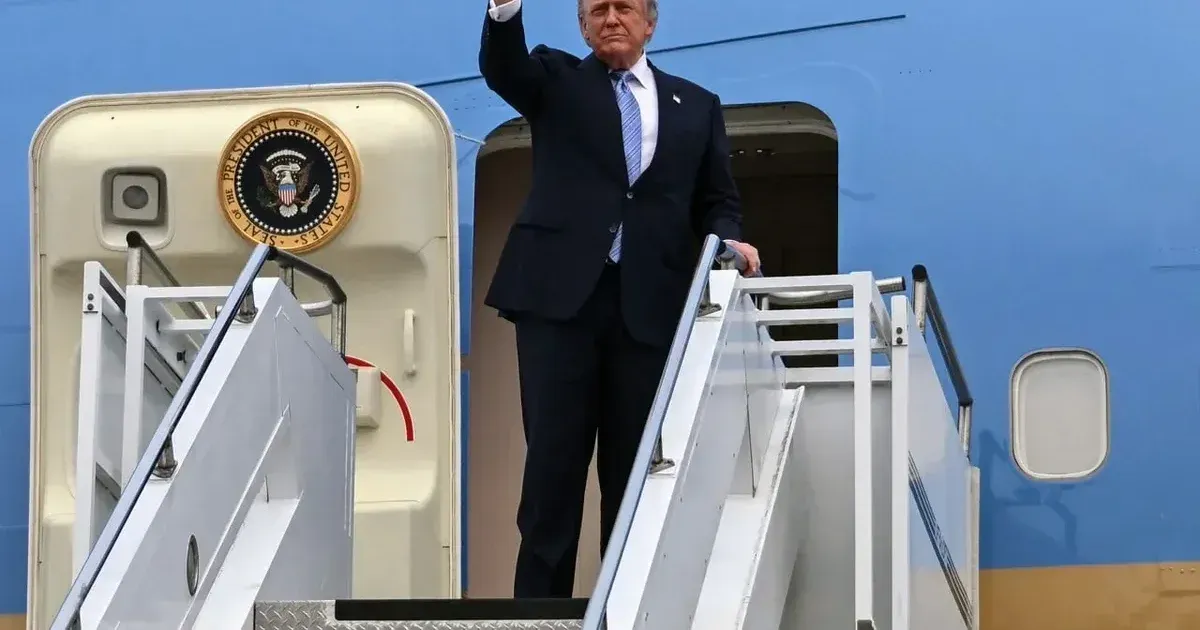
Trump's Beijing trip ended with pageantry that was easier to identify than policy progress. Chinese officials delivered the ceremonial treatment the White House wanted, but industry groups were still looking for concrete trade wins. The gap between optics and substance shaped the flight back to Washington. On May 16, 2026, the two-day summit closed without the kind of signed package many businesses had expected.
Beijing officials curated an atmosphere of extreme hospitality, including a state dinner and various cultural exhibitions intended to highlight the personal rapport between the two heads of state. President Trump characterized the experience as very good during his final remarks on Chinese soil. CBS News correspondent Ed O'Keefe reported that despite the positive tone, specific takeaways remained difficult to identify as the presidential aircraft departed for Washington.
Official records from the two-day event show no major breakthroughs on persistent trade imbalances.
Negotiations took place behind closed doors at the Great Hall of the People, where staffers attempted to reconcile conflicting views on market access and intellectual property. Chinese hosts used every protocol available to project an image of parity and cooperation. Trump landed back in the US capital on Friday evening to face immediate scrutiny from analysts who closely monitored the progress of the economic discussions.
Beijing Protocol Masks Absence of Trade Progress
Experts and former US officials observed that the impressive optics of the visit did not translate into the concrete achievements many in the private-sector anticipated. Industry trade groups had hoped for a relaxation of tariffs or new procurement commitments that never materialized during the formal sessions. China provided a ceremonial welcome that included military honors and children waving flags, yet the underlying tension over industrial subsidies persisted throughout the visit.
Diplomatic visits of this magnitude typically conclude with a joint list of signed contracts or memorandum agreements.
Economic deliverables fell sharply short of the goals established by the Department of Commerce prior to the trip. Al Jazeera reported that while the two leaders discussed regional security and maritime boundaries, the lack of a joint communique suggested a continued gap in strategic alignment. Xi Jinping maintained a posture of openness toward future dialogue without offering immediate concessions on the structural issues that have defined the relationship for years.
Current assessments from trade specialists suggest the visit was more about maintaining a baseline of stability than advancing a new agenda. Records show that $250 billion in potential deals had been discussed in preliminary rounds, but only a fraction of that figure received official signatures during the Beijing stay. Trump repeatedly praised the hospitality of his hosts while avoiding specific mentions of the stalled negotiations during his public appearances.
Industry Groups Voice Concern Over Economic Stagnation
Industry trade groups issued several statements expressing disappointment with the outcome of the meetings. Many corporate leaders expected a clear plan for resolving ongoing disputes that affect global supply chains. One specific assessment from a major trade association highlighted the disconnect between the high-level rhetoric and the reality on the factory floor.
“The economic deliverables coming out of the Trump-Xi meeting are way below expectations.”
Critics noted that the focus on pageantry allowed both sides to avoid addressing the difficult domestic political pressures that limit their ability to compromise. US officials had previously signaled that this summit would be one of the most consequential visits of the presidency. Instead, the results were characterized by some observers as a maintenance of the status quo. Industry groups in both Beijing and Washington continue to report that the lack of clarity inhibits long-term investment planning.
Questions regarding the next phase of the relationship persist as both administrations prepare for their respective domestic political cycles. Former officials indicated that the window for a major trade deal may be closing as focus shifts to other regional priorities. The absence of a follow-up meeting schedule reinforces the perception that the summit served primarily as a symbolic gesture. Analysts at various financial institutions have already begun adjusting their projections based on the lack of new trade data from the visit.
Pageantry Leaves Markets Without a Trade Framework
The transition from policy-focused diplomacy to high-theatre pageantry suggests a deliberate cooling of expectations from both the White House and the Zhongnanhai. By prioritizing optics over results, both leaders managed to avoid a public breakdown in relations while simultaneously refusing to yield on core national interests. This shift is a strategic choice to preserve domestic political standing at the expense of resolving long-term economic frictions. The lack of a breakthrough confirms that the structural competition between the world's two largest economies has entered a period of cautious stasis where neither side sees an immediate advantage in escalation or concession.
Market participants should prepare for a continued period of uncertainty, as the absence of a formal trade plan leaves the door open for sudden shifts in regulatory enforcement or tariff application. Without a concrete framework for cooperation, the personal rapport between Trump and Xi acts as the only buffer against renewed volatility. The sustainability of this personal diplomacy will be tested as the ceremonial glow of the Beijing visit fades and the realities of trade deficits and technological competition return to the forefront of the bilateral agenda.