Israeli and Lebanese negotiators reached a formal agreement to maintain their fragile ceasefire for an additional six weeks. This decision aims to prevent the recent surge in cross-border violence from devolving into a protracted regional conflict. Security officials from both nations met through intermediate channels to finalize the logistics of the extension.
U.S. State Department officials confirmed the development on May 15, 2026, marking a continuation of diplomatic efforts that began earlier this year. Washington had been the primary mediator since the conflict intensified, focusing on technical border demarcations and the withdrawal of heavy weaponry from civilian centers. This extension provides a technical buffer for humanitarian organizations tasked with delivering essential supplies to villages located directly on the frontier.
45 days now constitutes the formal duration for the renewed cessation of hostilities. Negotiations lasted several days as delegates weighed the risks of ongoing militia activity against the benefits of a cooling-off period. Violence continues to challenge the stability of the arrangement despite the diplomatic progress.
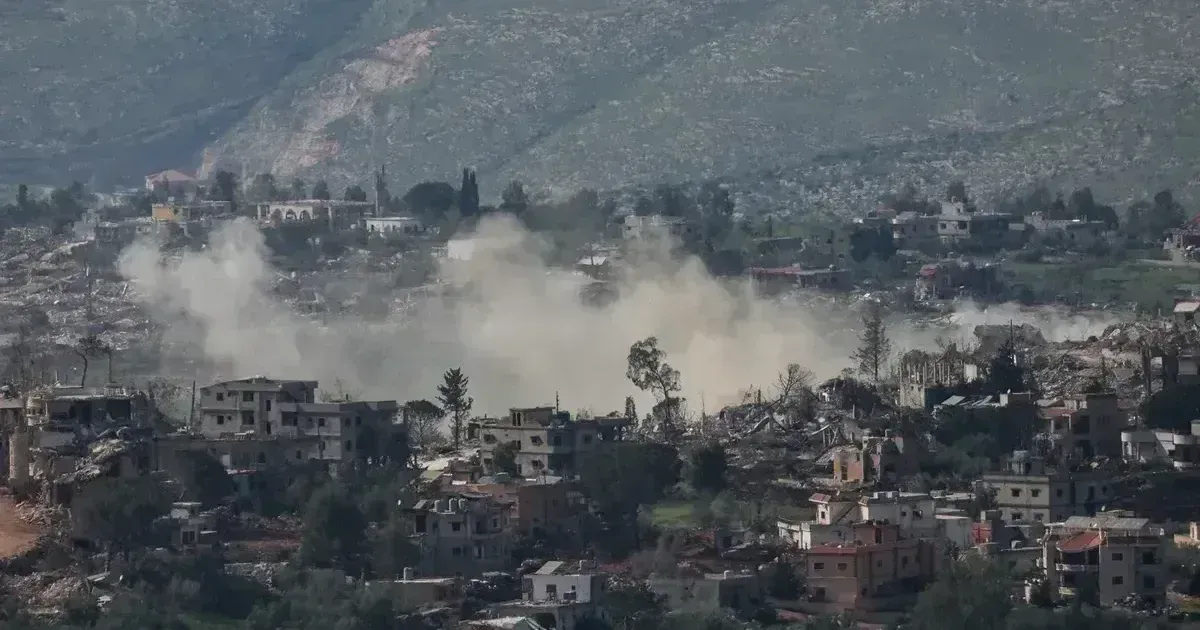
While the overall volume of combat has dropped sharply since the initial truce began last month, Israel and Hezbollah militants remain engaged in localized skirmishes. These incidents often involve sniper fire or the use of surveillance drones over sensitive military installations. Reports from the ground indicate that the friction remains most acute in the mountainous terrain of the north.
Southern Lebanon witnessed a fresh flareup of violence on Friday morning. Ground reports described heavy artillery exchanges and the deployment of intercepting projectiles shortly before the extension was publicly finalized. Residents in the northern Galilee region also reported hearing sirens as defense systems engaged incoming fire.
Diplomatic Pressure and Border Reality
President Trump brokered the original cessation of fire in April, seeking to decouple the northern front from broader regional instability. The strategy relied on establishing a monitoring mechanism to track violations, though neither side has fully adhered to the strict terms of the disengagement. Military commands on both sides of the Blue Line maintain a stance of active defense.
Mediators spent weeks navigating the specific grievances of both delegations. The primary obstacle involved the definition of defensive maneuvers along the disputed border. Lebanese officials argued that Israeli overflights constituted a breach, while Israeli commanders cited the continued presence of armed operatives as a direct threat.
"The extension of the ceasefire provides a critical window for continued diplomatic efforts to address underlying border disputes and ensure the safety of civilians on both sides," a spokesperson for the State Department stated following the announcement.
Reducing the frequency of missile strikes remains a priority for international observers. Statistics provided by local monitors suggest that while large-scale barrages have ceased, small-unit incursions persist daily. These activities keep tensions high and prevent thousands of displaced families from returning to their residences.
Lebanon faces internal pressure to secure a more permanent resolution to the border crisis. Economic conditions in the country have deteriorated further as the central government struggles to maintain infrastructure in the south. Security forces have been unable to fully control the activities of non-state actors operating near the frontier.
Regional Implications of the Extension
Israeli defense officials, meanwhile, have maintained a high state of readiness. Any breach of the agreement in the coming weeks could trigger a massive military response. Intelligence reports suggest that the military has already mapped out targets for a potential escalation if the 45-day window fails to produce a more durable arrangement.
Clashes on Friday involved short-range mortars and anti-tank guided missiles. These incidents occurred in areas where both militaries remain in close proximity despite standing orders to disengage. Commanders on both sides have blamed the other for initiating the exchanges.
Future discussions will likely focus on the role of international peacekeepers. Current monitoring forces have limited mandates, which often prevent them from intervening when skirmishes break out. Strengthening these mandates is a key demand for the Lebanese government as it seeks to assert more control over its southern territory.
The Extension Delays but Does Not Resolve Border Conflict
Does a 45-day extension offer a genuine path to stability, or does it merely reset the clock for an even larger confrontation? Fragile truces in the Levant often function as tactical pauses where combatants fortify their positions rather than pursue true disarmament. The pattern is visible in the persistent skirmishes that have occurred since the initial April agreement, suggesting that the underlying causes of the friction remain unaddressed.
For the United States, the stakes involve maintaining regional containment. A full-scale collapse of this truce would likely draw in secondary actors and jeopardize broader maritime security in the Eastern Mediterranean. The focus remains on technical avoidance of war, which leaves the civilian populations in a state of perpetual uncertainty. Without a shift from military disengagement to political settlement, the current peace exists only on paper.
The current timeline forces both administrations to confront their red lines by mid-summer. If the frequency of violations does not decrease, the 45-day mark may serve as a countdown to a more intense phase of the conflict.