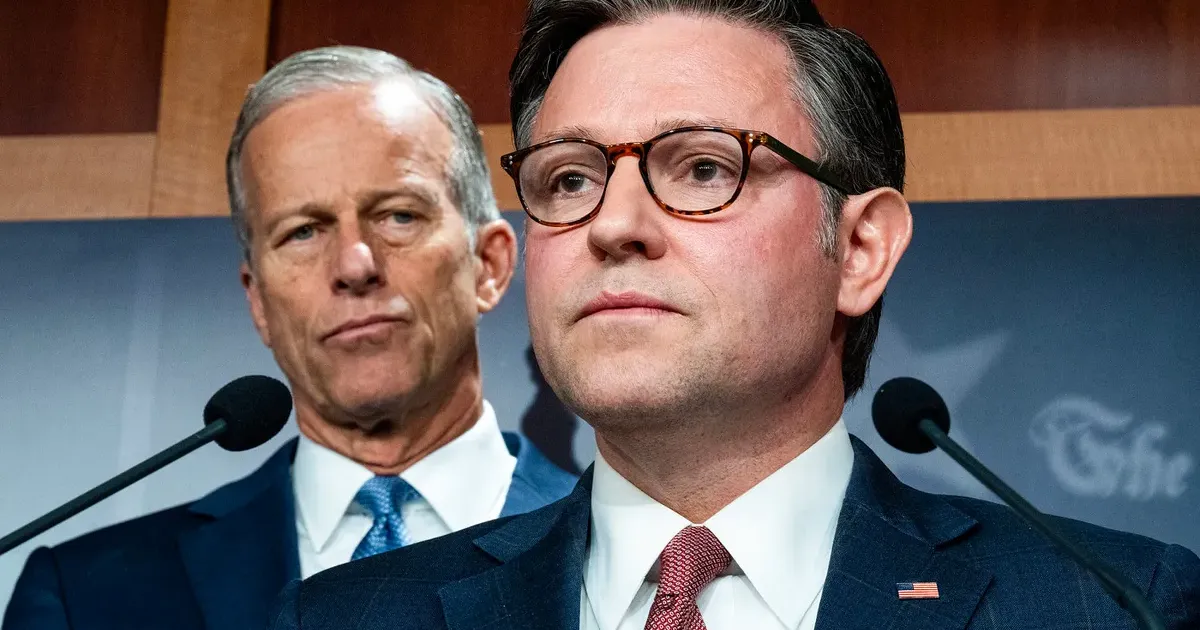
The Republican plan to reopen most of the Department of Homeland Security did eventually end the largest part of the crisis. On April 30, 2026, President Donald Trump signed legislation funding much of DHS after the House approved a bipartisan package that excluded the most disputed immigration-enforcement accounts. The record agency shutdown had run since February 14, leaving workers, airports and security operations under pressure for 76 days.
The deal worked because it separated the department into two political tracks. TSA, FEMA, the Coast Guard, the Secret Service and other DHS functions could restart routine funding. ICE and Border Patrol would be handled separately, with Republicans looking to use party-line budget tools for immigration enforcement money. The split solved the immediate shutdown. It did not settle the fight that caused it.
The Department Was Split to Get It Moving
DHS is not a single-purpose immigration agency. It touches airport security, disaster response, cyber defense, protective services, maritime operations and border enforcement. During the shutdown, that breadth became the political problem. Lawmakers could argue about ICE policy, but unpaid TSA workers and strained travel operations made the dispute visible to people who were not following appropriations procedure.
The two-track approach was a workaround. Fund the parts of DHS that had become too painful to leave suspended, then fight separately over the enforcement agencies at the center of the immigration dispute. Supporters called that practical governing. Critics saw it as proof that Congress had turned basic agency funding into a hostage exercise.
ICE Funding Stayed on a Different Track
The exclusion of ICE and parts of Customs and Border Protection was not a technical footnote. It was the core bargain. Democrats had demanded guardrails on enforcement after deaths and use-of-force controversies involving federal agents. Republicans rejected those conditions and sought a path that would fund enforcement without needing Democratic votes.
The resulting reopening did not feel like a normal appropriations victory. The bill restored much of DHS, but it preserved the immigration argument in a more partisan lane. The enforcement fight moved from shutdown pressure to reconciliation strategy, oversight demands and future funding deadlines.
Workers Paid the Price First
Shutdown politics always sounds procedural until paychecks stop. DHS employees were asked to keep essential services operating under financial uncertainty. Airports became the most visible sign because travelers feel TSA shortages quickly. But the pressure also reached disaster readiness, protective operations and contractors who do not always receive the same repair once Congress reopens the spigot.
Back pay can fix part of the direct harm for federal employees. It does not fully repair missed bills, delayed services, contractor losses or the message sent to workers asked to absorb political stalemate. That residue is why shutdowns keep damaging agencies after the official end date.
The Body-Camera Fight Showed the Hangover
The funding fight also had a longer tail. In July, after fatal ICE shootings drew renewed scrutiny, lawmakers questioned why agents still lacked body cameras in some operations. DHS pointed to funding disruptions and rollout delays; critics argued Congress had already provided specific money for body-camera implementation. The later dispute showed how shutdown damage can reappear months later inside accountability fights.
The issue is not only equipment. It is whether Congress can demand transparency from enforcement agencies while also using their budgets as leverage. If cameras, training and oversight depend on unstable funding battles, every later incident becomes harder to explain and harder to trust.
Trump Backing Moved Republicans
Trump's support for the approach mattered because House and Senate Republicans had spent weeks divided over how far to push the standoff. Once party leaders and Trump aligned around the two-track plan, resistance became harder to sustain. The practical pressure was also building: DHS payroll strain and travel disruption were becoming politically expensive.
Party alignment did not make the deal a clean consensus. It meant the cost of paralysis had overtaken the value of holding the entire department closed. For a governing party, that is a weak position: reopening becomes less an achievement than an admission that the damage is too visible to ignore.
The Shutdown Model Remains Dangerous
Separating a department can end one crisis while teaching Congress how to isolate the next one. The April deal reopened most of DHS, but it also normalized the idea that agencies can be divided into less controversial functions and politically explosive targets.
The approach may be useful in an emergency. It is dangerous as a habit. DHS workers, contractors, travelers and local governments need predictable funding more than they need another clever legislative route around failure. Ending a shutdown is not the same as governing well. It is only the point at which the consequences become too obvious to keep denying.