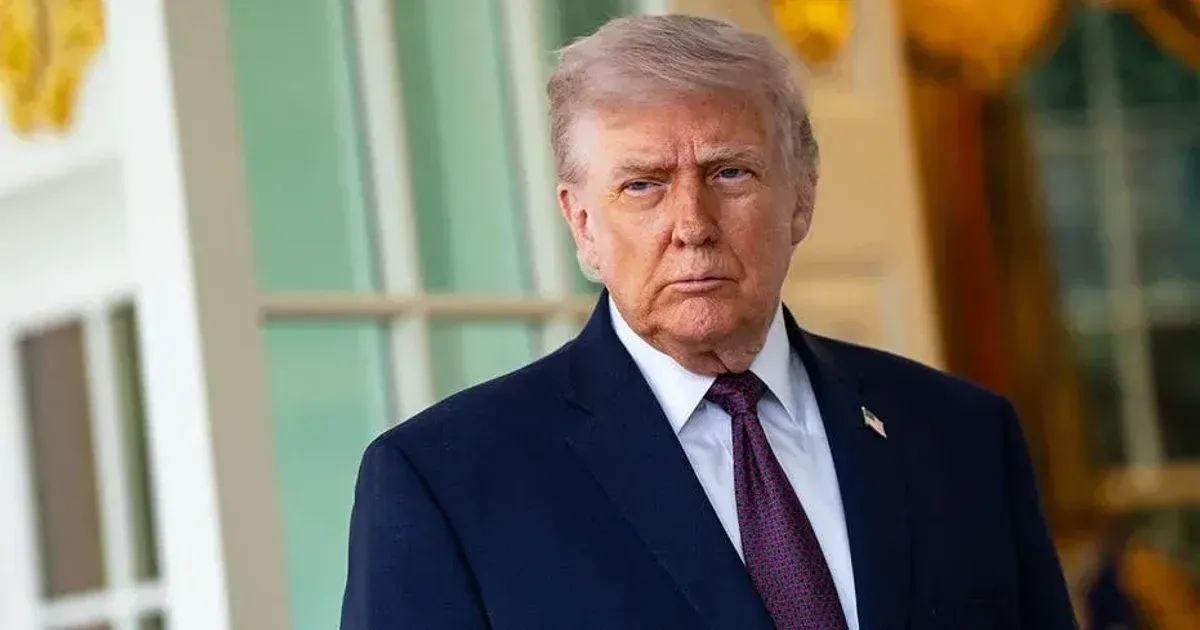
Donald Trump gained another shield for his Iran war strategy as Senate Republicans defeated a fourth legislative attempt to curb the White House war powers. Voting records from the chamber showed a narrow 52-47 margin along party lines, effectively shielding the administration from immediate congressional intervention. Kentucky Senator Rand Paul stood as the lone Republican to join Democrats in their push for military restraint. The April 15, 2026, vote left the war-powers fight alive but short of the numbers needed to bind the administration. Legislative efforts to restrict presidential action have repeatedly failed as Operation Epic Fury enters its 46th day of kinetic activity.
Senate Republicans Block War Powers Limits
Senate leaders maintained a unified front to protect the executive branch’s ability to conduct regional warfare. Democrats attempted to leverage the War Powers Resolution of 1973 to force a withdrawal of American forces, yet they lacked the numbers to bypass a Republican filibuster. This legislative blockade ensures that current military strikes against Iranian assets will proceed without a new mandate from Capitol Hill for at least several more weeks. Senator Chris Murphy from Connecticut led the opposition, characterizing the ongoing conflict as a violation of the constitutional separation of powers. Republicans argued that any restriction on the commander-in-chief would embolden Tehran and jeopardize national security interests.
"We're going to have a debate and a vote every week in the United States Senate until either this war comes to an end or our Republican colleagues decide to do their constitutional duty," said Senator Chris Murphy.
Public pressure continues to mount as the White House resists calls for Secretary of State Marco Rubio and War Secretary Pete Hegseth to testify in open session. Senate Democrats initially designed their war powers strategy to compel these officials to justify the rationale behind the escalation. They asserted that Iran posed no imminent threat to the United States before the launch of Operation Epic Fury. Republican senators countered that public hearings could reveal classified intelligence and compromise operational security during active engagements. The caucus remains largely supportive of the president despite isolated dissent from libertarians and constitutional hawks.
Operation Epic Fury Nears Statutory 60-Day Deadline
Operational timelines for the conflict are rapidly approaching a critical legal threshold under the War Powers Act. This federal law requires a president to terminate any use of United States Armed Forces within 60 days unless Congress has declared war or provided specific authorization. Donald Trump has 14 days remaining before this statutory limit requires a formal request for an Authorization for Use of Military Force. Failure to secure such an agreement or cease hostilities would force a 30-day drawdown period for all personnel involved in the Iran campaign. Senator Adam Schiff of California declared the current military action illegal in the absence of an immediate threat or direct attack on sovereign American territory.
Intelligence reports provided to the Senate Intelligence Committee suggest that a fragile ceasefire between Washington and Tehran is nearing its expiration. While active bombing has slowed, the underlying tensions suggest a resumption of hostilities is probable if peace talks fail. Negotiators from the State Department spent Tuesday working on a framework to end the war, though specific terms remain undisclosed. White House officials maintain that the president possesses inherent authority under Article II of the Constitution to protect American interests regardless of the 60-day clock. Legal experts expect this interpretation to face challenges in federal court if the administration ignores the impending deadline.
State Department Targets Israel Lebanon Ceasefire
Diplomatic efforts shifted focus toward the northern Israeli border where hostilities with Hezbollah continue to complicate the broader Iranian strategy. Marco Rubio hosted a rare meeting on Tuesday between Israeli and Lebanese diplomats to discuss a potential cessation of violence. Reports from the State Department indicate that the Lebanese ambassador formally requested a ceasefire during these discussions. Hezbollah has yet to clarify if its leadership supports a localized truce or if its actions remain tied to the larger regional conflict. Donald Trump reportedly told aides he would welcome an end to hostilities in Lebanon as a means to simplify the path toward a full Iran deal.
Israeli Prime Minister Benjamin Netanyahu initially rejected Lebanese proposals for direct talks. Pressure from the White House eventually convinced the Israeli security cabinet to convene on Wednesday night to evaluate deescalation options. Israeli officials stated that recent strikes in Lebanon were necessary to neutralize threats before any diplomatic agreement could be finalized. Tehran officials claim that their existing truce with Washington should have applied to Lebanon, accusing the United States of violating the spirit of the framework. Washington denied these allegations, asserting that the Lebanon track is a separate diplomatic effort with its own set of requirements. Hostilities in the region increased in the 24 hours immediately following the initial Iran ceasefire agreement.
War Powers Clock
Executive overreach has become the standard operating procedure for the modern American presidency, and the current confrontation with Iran is no exception. The 60-day limit in the War Powers Act is increasingly treated as a suggestion by White House legal counsel rather than a hard statutory boundary. By shielding Donald Trump from congressional oversight, Senate Republicans are effectively dismantling the few remaining checks on unilateral military action. This strategy relies on the gamble that the public will prioritize short-term military results over the long-term health of constitutional norms. It is a dangerous precedent that transforms the legislative branch into a passive spectator of its own displacement.
The parallel diplomacy conducted by Marco Rubio suggests that the administration views kinetic force primarily as a tool for transactional gain. While this realist approach may yield a temporary ceasefire, it fails to address the underlying structural animosity between Washington and Tehran. The administration's attempt to decouple the Lebanon conflict from the Iran negotiations is a tactical error that ignores the integrated nature of Hezbollah's command structure. If the White House expects a durable peace, it must stop pretending that regional proxies operate in a vacuum. The looming 60-day cliff will likely force a rushed, flawed agreement that invites future instability. Short-term success at the cost of legal integrity is a Pyrrhic victory. The clock is ticking.