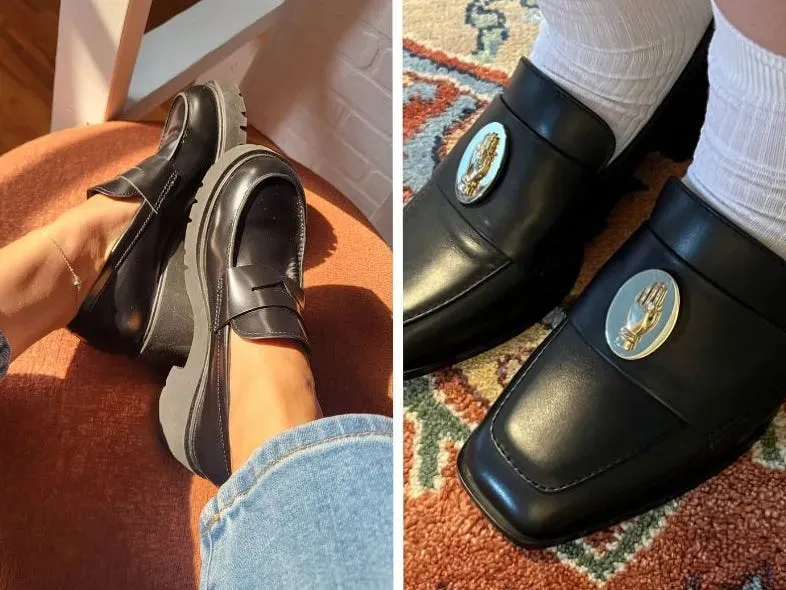
Retailers are leaning into functional fashion because shoppers are asking a more practical question before they buy: what does this product actually do for me? The answer is showing up in flexible loafers, supportive swimwear, utility dressing and everyday pieces that promise comfort without giving up polish.
The shift does not mean style has disappeared. It means style has to work harder. A shoe needs to survive commuting. A swimsuit needs to support the body wearing it. A summer trend has to feel good after three hours, not only photograph well in the first five minutes.
The best retail stories in 2026 are therefore less about novelty and more about whether the product earns its place in a real day.
Loafers Became the Office Compromise
Everlane's Leather Day Driver Loafer is a useful example of the category shift. The brand describes it as a two-way loafer with a collapsible back, ruched upper and round toe, designed to move between a relaxed mule-like shape and a more polished tailored look.
The collapsible design is the selling point. Loafers sit between office formality and casual ease. They can work with trousers, denim, skirts and travel clothes without asking the wearer to carry a second pair of shoes.
The functional pitch is not louder than the style pitch. It is the reason the style pitch works.
Supportive Swimwear Solves a Fit Problem
Swimwear shows the same pressure more clearly. Bravissimo positions its swim range around bra-sized support for fuller busts, with D-L cup coverage, wired and non-wired options, bikinis, tankinis and one-pieces from a brand already known for lingerie fit.
Conventional small-medium-large swim sizing has never served every body well. For many shoppers, support is not a luxury feature. It is the difference between wearing a swimsuit confidently and spending the whole day adjusting it.
Current shopping coverage has treated fuller-bust support as a real buying criterion in 2026, not a niche afterthought. Treating support as a buying criterion is a healthy correction. Fit should not be framed as a special request when it decides whether the product can be worn at all.
Utility Became Retail Logic
Utility dressing has also moved from trend label to retail logic. Spring 2026 runway coverage highlighted utility as a visible fashion direction, while shopping edits keep returning to practical sandals, deck shoes, cargo details, durable fabrics and pieces that cross between work, travel and leisure.
The important change is that function is no longer hidden in the product notes. Shoppers want to know about arch support, strap placement, fabric recovery, pockets, adjustability and how a garment behaves during a full day.
Fit details used to sound technical. Now they are part of taste.
Fit Protects Margins Too
Retailers also have a business reason to care. Bad fit produces returns. Shoes that hurt, swimwear that lacks support and trousers that only work standing still all come back quickly. A functional product can reduce that waste because it answers the practical objection before checkout.
Comfort has therefore become a margin issue, not only a customer-service issue. Better engineering can justify price, support repeat purchases and reduce the disappointment gap between the product page and real life.
Marketing language does not make every functional claim equal. Brands still need to prove comfort through materials, cut, sizing and customer feedback rather than treating the word as a marketing sticker.
Good Support Should Not Look Like a Warning Label
The best functional fashion does not announce itself like equipment. It hides the engineering inside something that still feels desirable. A supportive swimsuit should not look clinical. A comfortable loafer should not look apologetic. A utility dress should not feel like a uniform unless the customer wants that mood.
Consumers are less willing to pay for discomfort with a logo attached. They have seen enough product pages promising ease and enough returns labels proving otherwise.
Retailers that treat comfort, fit and utility as design constraints will keep gaining ground. Brands that still sell image while ignoring the body inside the clothes will find that shoppers have better options now.