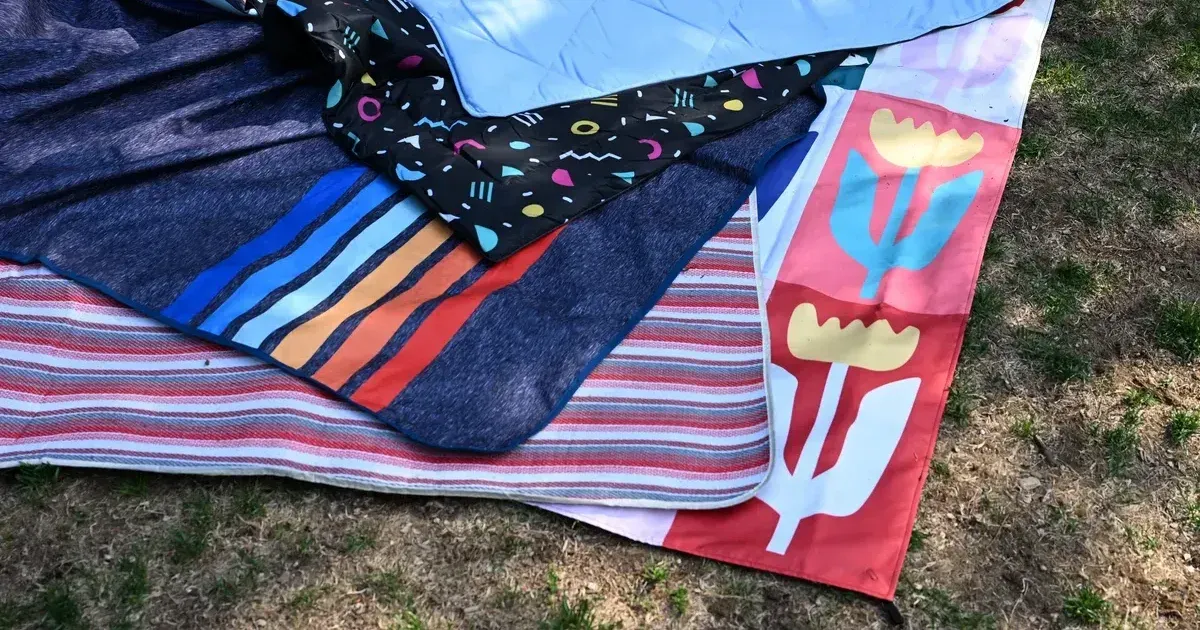
Performance Engineering in Modern Picnic Textiles
Performance metrics for these items depend heavily on moisture barriers and weight-to-warmth ratios. Recent evaluations of 14 different models revealed that technical superiority often dictates brand loyalty in the recreational space. By April 14, 2026, consumers increasingly demand materials that repel moisture while providing enough padding to negate uneven terrain. Luxury pricing has followed these technical advancements, with some units retailing for over two hundred dollars.
Engineering teams at firms like Rumpl and Matador use ripstop fabrics and DWR coatings to solve the traditional problem of damp grass. TPU coatings on the underside of a mat prevent ground moisture from seeping into the upper comfort layer. These layers must be bonded through ultrasonic welding or high-tension stitching to maintain structural integrity during repeated wash cycles. Modern Baggu designs employ quilted puff construction that mimics the insulation properties of a high-end sleeping bag. Lightweight synthetic fills allow these blankets to pack down into small pouches without losing their loft over time.
NEMO utilizes a different approach with its Victory line by integrating a soft flannel top with a rugged, waterproof bottom. These dual-layer systems require precision manufacturing to ensure the fabrics do not delaminate when exposed to direct sunlight or extreme temperatures. Product testers found that the larger XL variants provide enough surface area for six seated adults. Durability tests involve dragging fabrics across abrasive surfaces like gravel and sand to measure abrasion resistance. The result is a piece of equipment that functions as a portable floor for varied environments.
“Even if you only use it once or twice a year, it is the difference between a relaxed afternoon and one cut short by discomfort,” Les Shu said during the product review.
Wekapo and other beach-specific brands focus on sand permeability and wind resistance rather than pure thermal insulation. These blankets often feature corner pockets that owners fill with sand to prevent the fabric from blowing away in coastal gusts. Parachute nylon is the primary material for these applications because it dries almost instantly and sheds particulates with a simple shake. Portability remains a primary selling point for urban dwellers with limited storage space.
Consumer spending on outdoor gear reached new heights as the $11 billion recreational textile industry expanded into lifestyle categories. Households are treating picnic equipment as a long-term investment in wellness. This trend favors brands that offer lifetime warranties and repairable components. Yeti and NEMO have successfully positioned their products as rugged essentials for the modern explorer. Higher price points are justified through the use of closed-cell foam and heavy-duty zippers that withstand years of use.
Market data suggests that the budget segment, led by companies like Scuddles, continues to hold a large share through high-volume sales on global e-commerce platforms. These entry-level products typically use PVC backing, which is effective but lacks the breathability of more expensive polyurethane alternatives. Frequent users often find that cheaper plastics crack after one season of exposure to UV radiation. Strategic shifts in manufacturing have led some budget brands to incorporate better stitching to compete with mid-tier rivals. Total revenue in the picnic accessory category has grown by 8 percent annually since the pandemic.
Retailers like Amazon and REI have adjusted their inventory levels to reflect the lengthening of the outdoor season. Early spring sales now account for a larger portion of annual profits as shoppers prepare for outings well before the traditional summer peak. Baggu maintains a distinct advantage by merging aesthetic appeal with functional utility, appealing to a younger demographic that values visual design. Their Puffy Picnic Blanket has become a staple in urban parks across North America and Europe.
Material Science Behind Waterproof Ground Covers
Silicone-impregnated nylon represents the current peak of lightweight waterproofing technology. Matador utilizes this material in its Pocket Blanket 4.0 to create a surface that fits inside a keychain pouch. Such miniaturization requires extremely thin fibers that do not sacrifice tensile strength. During testing, these thin membranes proved capable of blocking 100 percent of ground moisture despite being nearly translucent. Reliability in these materials is essential for hikers who use picnic mats as emergency shelters.
Yeti takes the opposite path by prioritizing mass and physical protection. The Lowlands Blanket features a heavy-duty utility layer that repels pet hair and burrs, making it a favorite for dog owners. Its weight prevents it from shifting on the ground, providing a stable platform for heavy coolers and chairs. This design philosophy assumes the user is traveling by vehicle instead of on foot. Weight is a luxury in the outdoor world that translates to stability and comfort.
Stain resistance is another critical frontier for textile chemists. Most modern blankets receive a chemical treatment that prevents oils and dyes from penetrating the fibers. Rumpl uses recycled plastic bottles to create its Everywhere Mat, appealing to environmentally conscious buyers. This manufacturing process involves melting down PET plastic and extruding it into fine threads. The resulting fabric stays surprisingly soft while maintaining the durability of virgin polyester. Synthetic materials have almost entirely replaced wool and cotton in the performance picnic market. Cotton persists only in the most basic aesthetic models that lack waterproof backing.
What Buyers Actually Gain
Picnic blankets are being sold less like simple park accessories and more like engineered outdoor equipment. Brands are competing on waterproof layers, packability, stain resistance and fabric performance once reserved for camping gear. Retailers see the category as part of a larger outdoor lifestyle market. The push was visible on April 13, 2026, as buyers compared premium models with budget mats before the outdoor season.