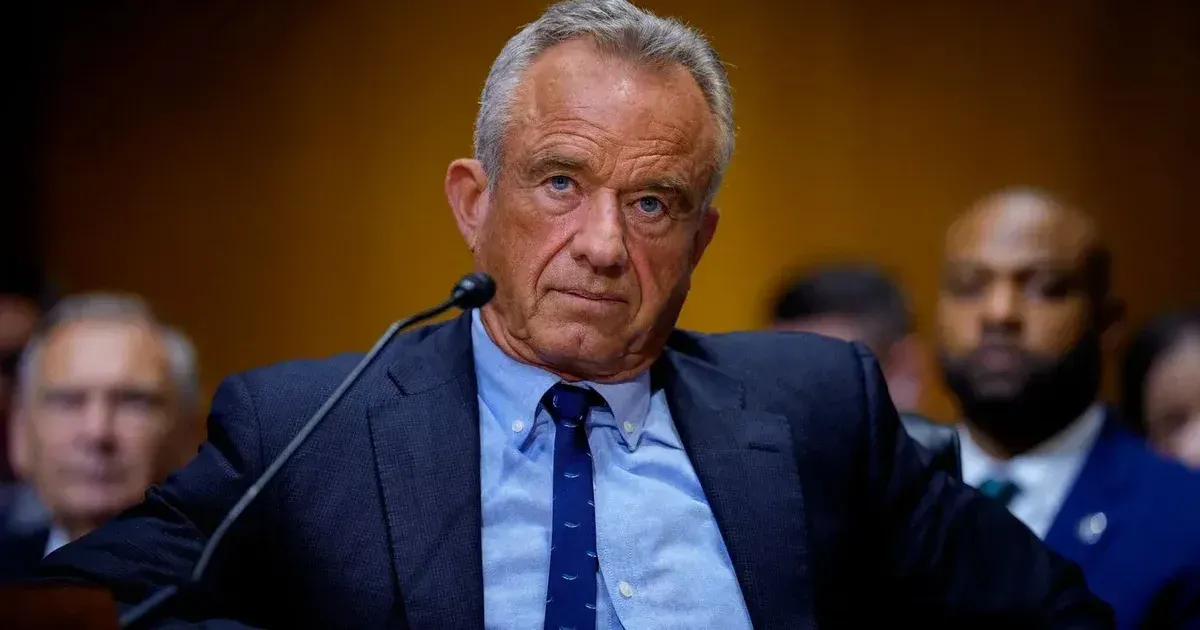
Robert F. Kennedy Jr. arrived at the House Ways and Means Committee on April 16, 2026, to defend a fiscal 2027 budget request that prioritizes a radical overhaul of national health standards. This legislative gauntlet represents his first appearance on Capitol Hill in more than six months, following a period defined by internal power struggles and legal reversals. Lawmakers focused their initial inquiries on the "Make America Healthy Again" initiative, a policy suite designed to reshape how the federal government approaches chronic disease and preventive care. Secretary Kennedy sat before the panel as the HHS budget faced scrutiny for its proposed shifts in resource allocation away from traditional pharmaceutical oversight toward nutritional and environmental health. Legislative tensions simmered as committee members addressed the administration's broader fiscal priorities. Kennedy insisted that the proposed funding levels are necessary to address what he described as a national crisis of chronic illness. While Bloomberg suggests the budget aims to consolidate power within the secretary's office, internal White House documents indicate a different reality. Senior advisers have moved to restrict Kennedy's autonomy, specifically concerning drug pricing and personnel decisions. The hearing room remained quiet as Kennedy outlined his vision for the department, emphasizing a desire to move beyond the controversies that have plagued his first year in office. Congressional auditors noted that the budget request includes serious reductions in funding for international health programs.
House Ways and Means Committee Probes HHS Budget
Members of the committee spent the morning session questioning the Secretary on the structural integrity of his proposed reforms. Kennedy argued that the current healthcare system focuses too heavily on reactive treatment at the expense of primary prevention. Behind the scenes, the relationship between Robert F. Kennedy Jr. and the broader administration has become increasingly complex. The White House recently elevated senior adviser Chris Klomp to serve as a de facto chief of staff for the department, a move that provides the executive branch with direct oversight of Kennedy’s daily operations. This transition occurred after several of Kennedy's more controversial policy proposals failed to gain traction with the President’s legal team. Administration officials insist that Klomp is there to provide management expertise.
Budgetary documents presented during the hearing reveal a meaningful pivot in how the federal government plans to combat obesity and metabolic syndrome. Kennedy frequently cited the rising costs of treating preventable diseases as a justification for his aggressive policy shifts. Lawmakers from both parties expressed skepticism regarding the feasibility of these changes given the current inflationary environment. Republicans pressed for more details on drug price negotiations, while Democrats focused on the potential for reduced access to essential services. Kennedy maintained that his department could achieve more with fewer resources by eliminating what he termed bureaucratic redundancies. His testimony suggested a fundamental realignment of how the federal government interacts with the food industry.
Federal Court Blocks Changes to Childhood Vaccine Schedule
Last month, a federal judge issued a temporary injunction that halted one of the most serious changes proposed by the HHS leadership. The administration had moved in January to overhaul the childhood vaccine schedule, reducing the number of recommended vaccinations from 17 down to 11. These changes included the removal of the Hepatitis B vaccine from the birth recommendation list, a move that prompted widespread criticism from the medical community. Kennedy’s handpicked vaccine advisers had voted to drop the recommendation for infants, citing a desire for longer-term safety data.
Legal experts noted that the court’s decision to block these changes has sharply hampered the Secretary's ability to implement his core agenda. The injunction stays in place pending a full trial on the merits of the case. Kennedy's push for the Make America Healthy Again initiative aligns with his ongoing coordination with key administration allies like Casey Means.
Inside the hearing, the debate over vaccine policy became a trigger point for partisan disagreement. Kennedy defended his direction to the Centers for Disease Control and Prevention to modify its public messaging regarding immunization risks. Critics argued that the changes to the agency's website, which included references to debunked links between vaccines and autism, could undermine public trust in health institutions. Despite these concerns, Kennedy asserted that transparency remains his primary goal. One committee member pointed out that the CDC website had been updated to reflect minority opinions that contradict the consensus of the broader scientific community. Data from the hearing indicated that the administration’s vaccine policies have faced resistance from several state-level health departments.
White House Limits Kennedy Authority via Senior Advisers
Personnel shifts within the department provide a clear indication of how the administration is attempting to manage its most controversial cabinet member. The elevation of Chris Klomp to a supervisory role has reportedly stripped Kennedy of the ability to make high-level hiring decisions without external approval. Instead of directing the department’s full agenda, Kennedy has spent recent weeks traveling the country to promote less disputed topics like healthy food in schools and the removal of processed additives from the national diet.
These campaign-style appearances are designed to maintain his public profile while the White House manages the more technical aspects of health policy. Several sources within the administration suggest that the Secretary’s influence over the fiscal 2027 budget was less than he had originally anticipated. Klomp now oversees the development of pharmaceutical pricing strategies.
"I hope to achieve lasting, generational reform at the department."
Robert F. Kennedy Jr. Secretary of Health and Human Services
Kennedy’s diminished clout within the executive branch has not escaped the notice of legislative leaders. Across the seven hearings scheduled over the next two weeks, the Secretary will likely face persistent questioning regarding his actual authority. One internal report suggests that the administration is prioritizing drug price reductions over the Secretary’s more idiosyncratic health theories. This internal friction has led to a bifurcated health policy where public rhetoric often diverges from administrative action. Officials at the House Ways and Means Committee noted that the Secretary’s opening statement omitted any mention of his previous efforts to cancel funding for mRNA vaccine research. The hearing concluded with a request for additional documentation regarding the department's interaction with private food manufacturers.
Rural Hospital Closures and Food Safety Initiatives
Rural health access became a rare point of bipartisan interest during the afternoon testimony. Kennedy stated that the closure of small hospitals in the Midwest and South is a direct result of a consolidated healthcare market that prioritizes urban centers. He proposed a new series of grants intended to keep these facilities operational, though he did not specify where the funding would originate in the current budget. Lawmakers noted that the fiscal 2027 request actually reduces some rural health subsidies in favor of MAHA programs. Kennedy countered by saying that long-term health improvements would eventually reduce the burden on these facilities. He emphasized that the administration remains committed to preserving local access to emergency care.
Food safety remains at the center of the Secretary's public-facing agenda. He spent a portion of his testimony discussing the need for stricter regulations on synthetic dyes and high-fructose corn syrup in products marketed to children. Rather than focusing on legislative mandates, Kennedy indicated a preference for using the department’s bully pulpit to pressure corporations into voluntary changes. Several major food companies have already announced plans to reformulate products in anticipation of new federal guidelines. Records show that the Secretary has met with industry executives more than a dozen times since the start of the year.
The committee requested a full list of these meetings to ensure that no conflicts of interest exist. Kennedy insisted that all discussions were focused on public health outcomes.
Health Budget Cuts Face Institutional Resistance
Kennedy’s ability to remain effective depends on how much authority the White House allows him to exercise. The spectacle of Robert F. Kennedy Jr. testifying before the House is a study in the systematic neutralization of a political firebrand. While the Secretary talks of generational reform and a revolution in American wellness, the administrative reality is one of containment. The appointment of Chris Klomp is not a management upgrade but a custodial arrangement meant to prevent Kennedy from triggering a total collapse of public health infrastructure. It is the classic Washington play: give the radical a title and a microphone, but take away the checkbook and the hiring authority.
The administration’s strategy of allowing Kennedy to focus on the "easy win" of food additives while blocking his vaccine agenda reveals a deep lack of trust. It is a calculated move to harvest the Secretary's populist energy without paying the price of his more fringe theories. Kennedy is being transformed into a high-level spokesperson for an agenda he no longer fully controls. If he remains in this position, he risks becoming the face of policies he once vowed to dismantle, including the very pharmaceutical price-fixing mechanisms he long criticized. The Secretary is not leading a movement; he is presiding over its institutionalization. The hearing showed that his public platform remains large even as his direct administrative control appears more limited.