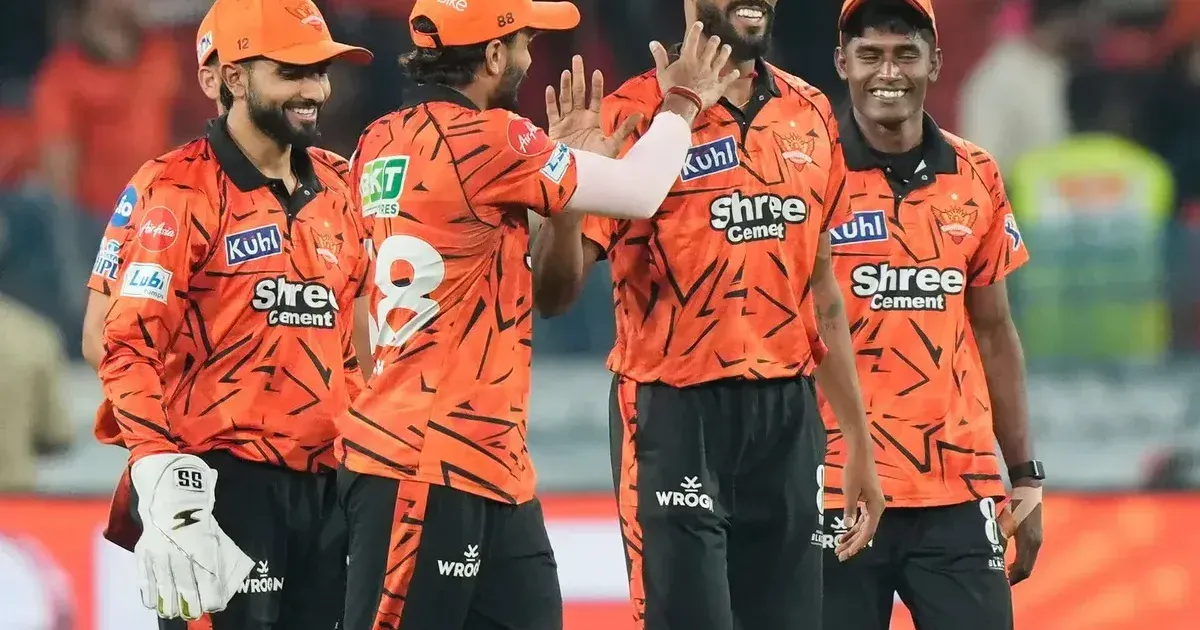
Sakib Hussain gave Sunrisers Hyderabad a record-setting bowling performance in a decisive IPL win. Match reports credited him with the best figures by an Indian debutant as Hyderabad ended Rajasthan's winning streak. By April 13, 2026, the result also highlighted Praful Hinge's comeback and Ishan Kishan's aggressive batting.
Sakib Hussain Sets Debut Mark
Pace and precision allowed Hussain to dominate a batting lineup that had previously led the league in run rate. He paired 145-kph pace with a slower ball that Rajasthan struggled to read until it was already past the bat. Most debutants fight nerves in front of a full crowd, but Hussain kept a controlled tempo through his four-over spell. His first wicket came from a sharp bouncer that forced a hurried hook to deep square leg. The rest of the spell followed the same pattern: simple plans, disciplined lengths and no visible panic when batters tried to counterattack. Records indicate that no Indian bowler has made a stronger statistical impact in a first IPL appearance.
Hyderabad's selection call now looks aggressive rather than reckless. The franchise started Hussain ahead of more familiar options and received a performance that changed the match. Scouts across the league will study how he moved from trial sessions to a high-pressure debut so quickly.
The most valuable part of the spell was not only the wicket count. Hussain kept his plans simple when Rajasthan tried to force him away from a hard length. That discipline gave the captain predictable fields and prevented the over-by-over drift that often hurts inexperienced fast bowlers. It also meant Hyderabad did not have to hide him after one attacking spell; the field could stay aggressive because the bowler was not leaking easy release shots.
Praful Hinge also completed a comeback that made Hyderabad look deeper. The night was not only about Hussain. Praful Hinge's return gave Hyderabad another seam option and made the attack feel less dependent on one breakthrough spell. His control during the middle overs denied Rajasthan the recovery phase it needed after the early wickets. Hinge's contribution also gave Sunrisers a useful selection problem. A bowling group with two young Indian quicks can balance overseas slots differently and give the batting order more flexibility. That matters across a long tournament, where injuries and form shifts usually decide which teams remain stable.
The pair's performances connected this match with Hyderabad's broader roster rebuild. The franchise has invested heavily in pace depth, and this result gave that strategy a visible return. It also placed pressure on senior bowlers to keep standards high because younger players are now competing for meaningful overs.
Rajasthan, by contrast, left the match with questions about preparation. Their batters appeared ready for conventional pace but less ready for the combination of bounce, angle and change-up that Hyderabad used. That will concern a team whose success has depended on quick starts and stable partnerships. A single defeat is manageable, but a visible weakness against fresh pace can travel quickly through a tournament once analysts have enough clips to copy the plan.
Ishan Kishan Adds Batting Control
Ishan Kishan ensured the bowling effort turned into a comfortable result rather than a tense finish. His aggressive start prevented Rajasthan from using spin to slow the chase, and his strike rotation kept Hyderabad away from the scoreboard pressure that often follows a low-to-mid target.
"Kishan's aggressive batting ensured Sunrisers Hyderabad maintained momentum throughout the chase," according to the match report.
That balance between early wickets and controlled batting was the clearest sign of progress for Sunrisers. The team did not need one heroic innings to finish the job. It used the advantage created by its bowlers and avoided the loose middle overs that have hurt Hyderabad in previous seasons.
The win will matter more if it becomes a template. Hussain's debut gives the attack a new ceiling, Hinge's comeback adds depth and Kishan's innings shows how quickly the batting group can close a match when the bowlers create space.
What Hyderabad can build from this is evidence, not proof. The team should treat the result carefully because young fast bowlers often surge before opponents gather enough footage to plan against them. Hussain and Hinge will now face batters who know their preferred lengths, slower-ball cues and field settings.
The advantage is that Hyderabad no longer look short of options. If the coaching staff manage workloads carefully and keep roles clear, this match could become the first sign of a more balanced side. The record belongs to Hussain, but the larger gain belongs to a franchise that suddenly looks deeper, faster and harder to predict.