Silicon Valley hardware giants are tightening their grip on consumer data through increasingly exclusive hardware silos. Samsung launched the Galaxy Buds 4 Pro in global markets this week to challenge the audio dominance of its rivals. System walls are getting taller. Hardware manufacturers once competed primarily on raw specifications and physical design.
Galaxy Buds Tie Features to Samsung
Engineers at the South Korean conglomerate focused heavily on the internal acoustics for this generation. The Galaxy Buds 4 Pro feature upgraded woofers designed to deliver more precise low-frequency response. These components work together with a dual-amped hi-fi sound system that separates the power delivery for different frequency ranges. Most portable audio devices rely on a single amplifier to drive all components, which can lead to distortion at higher volumes. By splitting the load, the new hardware maintains clarity even during complex orchestral passages or heavy bass tracks. Physical design changes also play a role in the acoustic profile. Samsung introduced a new blade design that deviates from the rounded aesthetics of previous iterations. This angular structure provides better surface area for touch controls and improves the positioning of the external microphones. Clearer call performance is a direct result of this shift, as the microphones sit in a more advantageous position to capture speech while filtering out ambient noise. Wind noise reduction has seen a measurable improvement according to initial laboratory tests conducted by independent audio reviewers. Active noise cancellation performance has also received a major boost.
Device Walls Get Higher
Software remains the primary gatekeeper for the most sought-after features of the Galaxy Buds 4 Pro.
The Galaxy Buds Pro 4 are a nice improvement over the Buds 3, but still require a Galaxy device to use all their features.
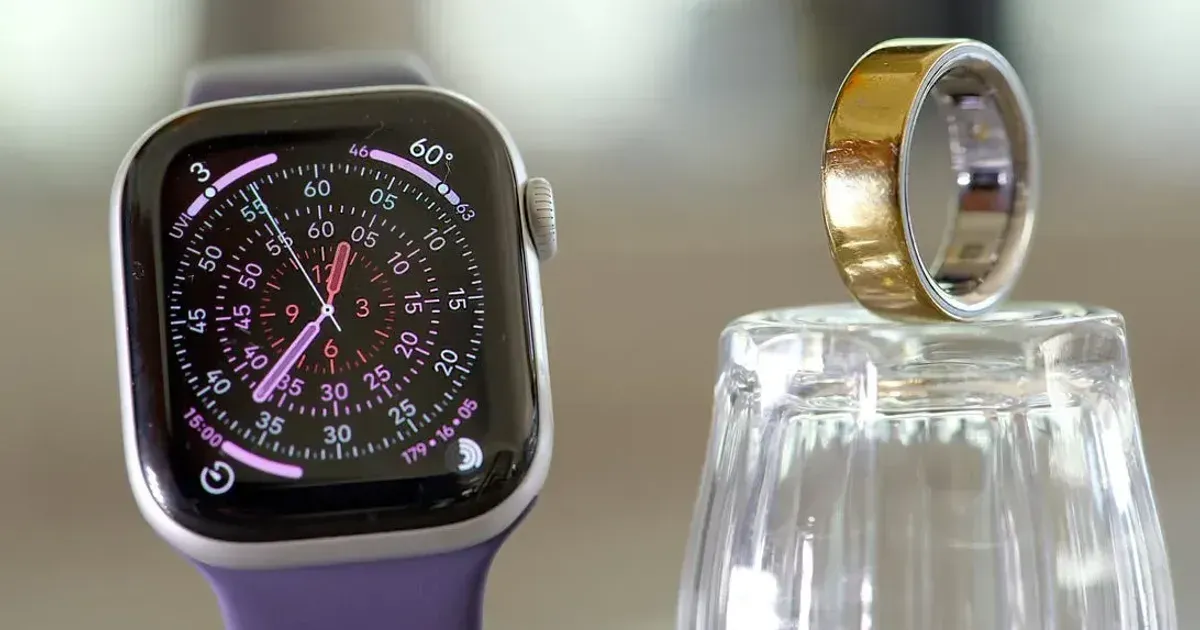
Performance benchmarks show a clear divide between integrated and non-integrated use cases. Latency is sharply lower when paired with a Galaxy device because the proprietary connection protocol bypasses some of the standard Bluetooth processing overhead. Gamers and video editors will notice a slight delay when using the buds with non-Samsung hardware. The disparity illustrates how software remains the ultimate gatekeeper for modern hardware performance. Samsung also introduced enhanced translation features that use the processing power of its latest smartphones. These tools allow for near real-time translation of foreign languages directly into the ear of the wearer. But this functionality is entirely dependent on the Galaxy AI structure. Without a compatible phone, the earbuds are incapable of performing these tasks on their own. The hardware effectively acts as a remote sensor for the phone's more powerful processor. Competition in the wearable space extends beyond the ears to the wrist and the finger. The Apple Watch and the Oura Ring represent two very different philosophies regarding biometric data collection. One device is a multifunctional computer that demands constant attention, while the other is a passive sensor that fades into the background. Choosing between them often comes down to how a user wants to interact with their health data. The Apple Watch offers immediate feedback and interactive apps, but its battery life remains a persistent concern for many users who want to track sleep cycles. Hardware excellence no longer guarantees cross-platform utility. The Oura Ring excels in longitudinal data collection, particularly during the night. Because it lacks a screen and haptic motors, it can maintain a charge for nearly a week. This allows for more consistent heart rate and temperature monitoring without the gaps caused by daily charging cycles. Some users find the ring form factor less intrusive than a watch, especially during sleep. The ring lacks the GPS and workout tracking capabilities that have made the Apple Watch a staple for fitness enthusiasts. The choice between the two is often a matter of prioritizing recovery data over active performance metrics. Integration with other health platforms is another area of contention. Apple tightly controls its HealthKit environment, making it difficult for third-party devices to provide a truly smooth experience. The Oura Ring must sync its data through a dedicated app before it can appear alongside other health metrics. The extra step can lead to data fragmentation.
Consumer spending on wearables is reaching new heights as brands push the limits of what a small sensor can do. The $249.99 price of the Galaxy Buds 4 Pro puts it in the same bracket as professional-grade headphones. But the lifespan of these devices is often limited by the non-replaceable lithium-ion batteries they contain. Most users will find that their high-end earbuds lose significant battery capacity within three years. The planned obsolescence is a factor that many buyers overlook when comparing the long-term value of these gadgets.
Subscription models are also becoming more common in the wearable market. The Oura Ring requires a monthly fee to access its full suite of data analysis tools. Without this subscription, the hardware provides only basic metrics. The shift toward service-based revenue allows companies to monetize their users long after the initial hardware purchase. The Apple Watch includes most of its health tracking features in the base price, though it pushes users toward its Fitness Plus service for guided workouts. Value is no longer a simple calculation of the sticker price.
Retailers report that trade-in programs are increasingly popular for these categories. Samsung offers aggressive discounts for users who return their old Buds 3 or competing models. This helps lower the barrier to entry for the Galaxy Buds 4 Pro while also ensuring that older hardware is taken out of the secondary market. The feature split long-term testers comparing the ring to a traditional watch. Brands are more interested in securing a long-term subscriber than they are in a one-time hardware sale.
Hardware Loyalty Is Software Control
Does the modern consumer actually own their hardware, or do they only lease access to a brand-approved digital experience?
It is a cynical maneuver that prioritizes shareholder value over the universal interoperability that once defined the tech industry. We are heading toward a future where your choice of smartphone dictates the quality of your music and the accuracy of your heart rate data. It is not innovation; it is digital feudalism. If the Galaxy Buds 4 Pro were truly a breakthrough in audio engineering, they would sound spectacular on any device, not just a Galaxy. True technical excellence does not require a software gatekeeper to justify its price tag.
Consumers should stop rewarding these manufacturers for building prettier cages and start demanding hardware that works for the user, regardless of the logo on the back of their phone.