Seoul-based Samsung Electronics appears to be doubling down on iterative engineering for its next generation of foldable hardware. Internal regulatory filings and component leaks suggest the upcoming Galaxy Z Flip 8 will not feature the notable battery capacity increase many consumers anticipated. The leak surfaced on March 13, 2026, through technical documentation cited by GalaxyClub. According to that documentation, the new handset relies on a dual-battery configuration that mirrors its predecessor. These components, identified by model numbers EB-BF776 and EB-BF777, point to a hardware strategy that prioritizes continuity over aggressive internal redesigns. Hardware specifications indicate a combined rated capacity of 4,174mAh for the two cells. Most industry observers translate this rated figure into a typical marketed capacity of approximately 4,300mAh. This matches the exact specifications of the current Galaxy Z Flip 7, suggesting that internal volume constraints continue to dictate the physical limits of the device. Engineers have struggled to find extra space within the slim, folding chassis of the Razr-style series. The battery remains roughly 100mAh smaller than the unit found in the larger Galaxy Z Fold 7. But the lack of physical growth does not necessarily equate to stagnant performance. Software optimizations and more efficient processors often bridge the gap between static hardware and consumer needs. Previous reviews of the existing flip model noted that while it was not a multi-day device, the cover screen functionality allowed for notable power savings during casual use. Users who interact primarily with the external display tend to see improved longevity compared to those who constantly unfurl the main panel. Efficiency gains in the upcoming Snapdragon or Exynos chipsets will likely determine if the Z Flip 8 feels like an upgrade.
Galaxy Z Flip 8 Battery Capacity Analysis
Data provided by Android Authority highlights the gap between Samsung and its primary Android competitors. Several manufacturers in the Chinese market have begun adopting silicon-carbon battery chemistry. These high-density cells allow for greater energy storage without increasing the physical footprint of the battery pack. Samsung has stayed with more traditional lithium-ion structures for its foldable line. Security and thermal stability remain primary concerns for the South Korean firm after past hardware failures. Safety margins often take precedence over raw capacity metrics in their current design philosophy. Still, the market pressure is mounting as rival foldable devices thin their profiles while simultaneously expanding their power reserves. A stagnant battery capacity could become a marketing liability if the competition manages to integrate 5,000mAh units into similar form factors.
I wouldn't call this a multi-day phone, but it's very not bad, and you'll get a lot more mileage out of it if you use the cover screen as often as possible.
Experts suggest that Samsung is betting on its system and brand recognition to offset these technical plateaus. The foldable market is no longer a one-horse race, and technical stagnation carries higher risks than it did three years ago. Technical constraints are not the only factor at play. Cost management within the supply chain often dictates which components see a refresh. By reusing battery architectures, Samsung reduces development costs and simplifies the manufacturing process. This approach helps maintain profit margins even as the foldable segment becomes more price-sensitive. In fact, the company has increasingly focused on accessories and peripheral devices to strengthen its hardware revenue streams.
Silicon Carbon Battery Technology
Separately, the industry remains fixated on the eventual transition to silicon-carbon cells. By contrast, Samsung has not publicly committed to a timeline for this shift in its foldable devices. The retail tactic ensures that the company does not overextend its engineering resources on a single niche product. However, the decision to stick with 4,174mAh rated capacity suggests that the Z Flip 8 may focus its marketing on AI capabilities and hinge durability instead. Silicon-carbon technology offers a 20% to 30% increase in energy density, which would have solved the Z Flip's most persistent criticism.
For one, the foldable hardware field is split between conservative giants and aggressive innovators. Companies like Honor and Xiaomi have used silicon-carbon to create foldables that are thinner than a standard iPhone. Samsung appears to be prioritizing a long-term reliability play. Their focus centers on IPX8 water resistance and armored aluminum frames rather than pushing the envelope on battery chemistry. The stagnation suggests a company that is confident in its market share but perhaps vulnerable to a technical leap from a well-funded challenger.
The Z Flip 8 is shaping up to be a refinement of an already successful formula. The battery life on the current generation has proven sufficient for the average consumer, provided they use the cover screen for notifications and quick replies. Power management software has become just as important as the physical size of the cell. Modern processors can throttle background tasks with high precision to ensure the device lasts through a standard workday. A larger battery might have required a thicker chassis, which would alienate users who buy the Flip for its pocketability.
Competitive Pressure in the Foldable Market
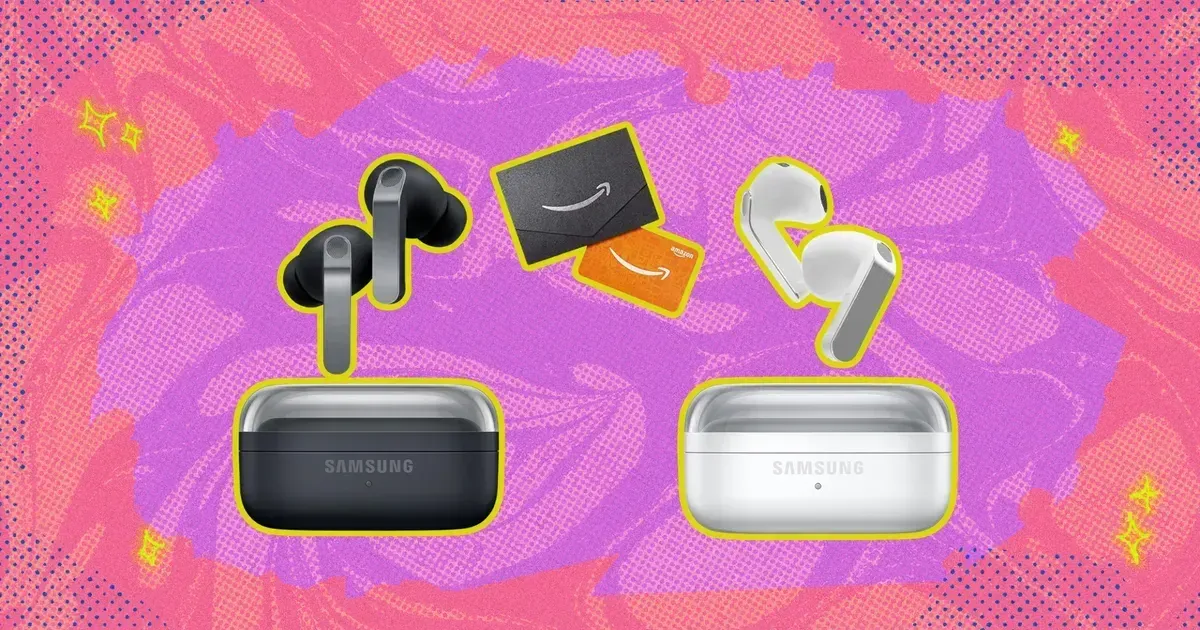
Yet the ghost of Apple's rumored folding device looms over every Samsung design choice. Reports indicate that an iPhone Fold would likely emphasize side-by-side app multitasking and superior power management. If Apple enters the market with a superior battery solution, Samsung's iterative updates will look increasingly dated. To that end, the South Korean giant must decide if playing it safe with the Z Flip 8 battery is a sound strategy or a defensive retreat. The 2026 hardware cycle will be a decisive period for the brand's dominance in the United States and Europe. Even so, the retail performance of the Galaxy Buds 4 proves that the brand system remains a powerful draw. Most Galaxy owners prefer to stay within the same family of products for the sake of smooth pairing and shared charging standards. The integration between the Z Flip series and the Buds Pro line is a key part of the user experience. Launch deals that lower the barrier to entry for high-end audio help solidify this loyalty. Sales figures for the first quarter of the year remain strong.
Samsung remains the undisputed leader in foldable shipments despite the technical criticisms. Their ability to manufacture these complex devices at scale is unmatched by smaller rivals. The Z Flip 8 will likely sell millions of units regardless of whether the battery capacity grows by 100mAh. Most consumers buy based on the folding gimmick and the compact aesthetics. Hardware enthusiasts might grumble about the specs, but the general public cares more about the price and the brand. Samsung understands this reality better than anyone else in the industry.
Foldable Stagnation Has a Cost
Is Samsung finally becoming the very thing it once mocked? For years, the South Korean titan ridiculed Apple for its incremental updates and refusal to chase raw spec sheets. Now, the leaked battery data for the Galaxy Z Flip 8 suggests a company that has grown fat and happy on its own market dominance. Reusing the same battery capacity for three consecutive generations is not a sign of refined engineering. It is a sign of a company that is no longer afraid of its competition. It is a dangerous posture in a sector where technical superiority can vanish in a single product cycle.
While the marketing team will undoubtedly dress up the Z Flip 8 with buzzwords about AI and sustainability, the hard truth is in the milliamps. Stagnation is the first step toward irrelevance. By refusing to adopt silicon-carbon technology while Chinese firms sprint ahead, Samsung is betting that Western consumers are too lazy to look at the spec sheet. They are trading their reputation as an innovator for a safer bottom line. If this trend continues, the Galaxy brand will become the IBM of the mobile world, reliable, widespread, and completely uninspired. The Z Flip 8 might be a solid device, but it is the work of a company that has stopped trying to surprise us.