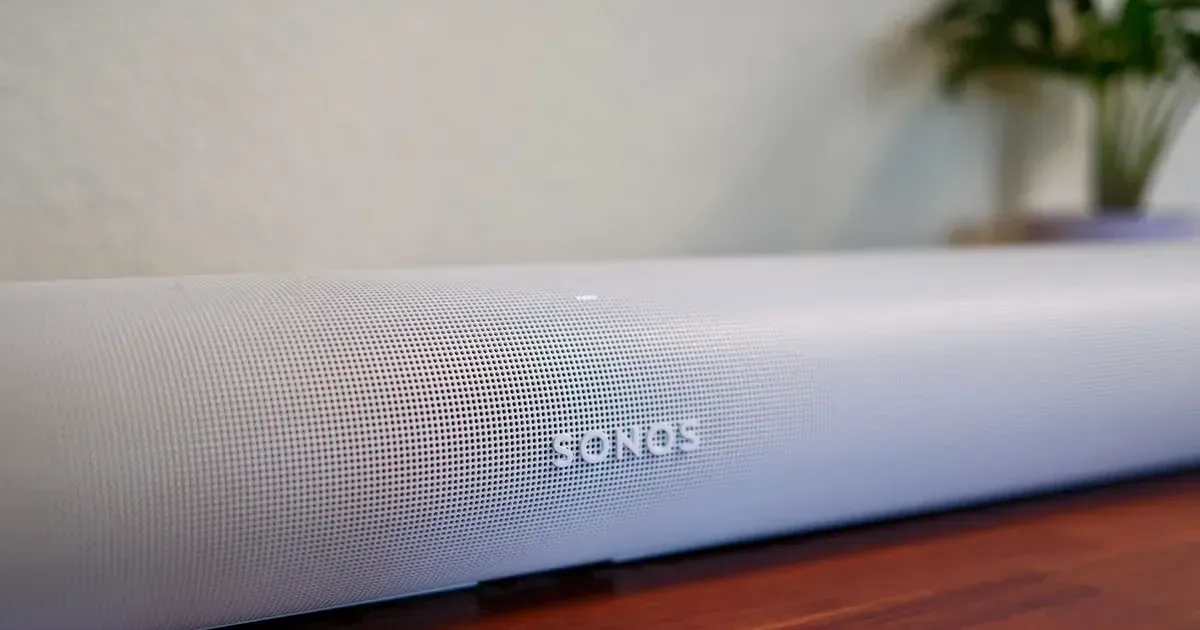
Samsung S90F televisions and Sonos Arc Ultra soundbars are leading the premium home-cinema conversation because buyers now judge performance as a system, not as isolated hardware. Display quality, sound processing and app stability all shape whether a setup feels worth its price.
The market snapshot from April 7, 2026, shows how OLED brightness, anti-glare coatings and Sound Motion audio are being used to justify premium upgrades. The same trend also raises a simpler consumer question: how much of the value survives if the software experience disappoints.
Samsung Display Innovations and Market Impact
Competition in the displays sector has forced manufacturers to innovate at a rapid pace to justify premium price points. Samsung S95F units now include anti-reflective coatings specifically designed for bright living rooms where glare typically ruins the viewing experience. These technological increments allow the brand to maintain a higher average selling price while TCL and Roku capture the lower end of the market. Budget-conscious buyers often gravitate toward the TCL QM6K QLED, which offers strong value despite lower peak brightness compared to its OLED counterparts.
LG continues to defend its market share with the LG C5 series, which targets the midrange OLED enthusiast. While the Samsung S90F often beats the LG C5 for sheer vibrancy, LG maintains a loyal following due to its reliable webOS platform and gaming-centric features. HDMI 2.1 support and low input lag are standard across these high-end models, making them the preferred choice for the current generation of gaming consoles. The market for 77-inch and larger screens has also expanded as production yields for large-scale OLED panels improve.
Sonos Audio Engineering and Sound Motion Advancements
Audio integration has become equally complex as Sonos Arc Ultra units replace the first-generation Arc models introduced in 2020. The inclusion of Sound Motion technology allows the Arc Ultra to produce deep bass frequencies that were once only possible with a dedicated, bulky subwoofer. This engineering feat addresses the aesthetic demands of modern consumers who want high-fidelity audio without a cluttered living room. Sound Motion uses specialized transducers to move more air within a smaller enclosure, effectively increasing the acoustic output of the soundbar.
Smaller living spaces require different solutions, leading many to adopt the Sonos Ray as a compact alternative. The Ray lacks the immersive Dolby Atmos capabilities of the Arc Ultra but provides a substantial upgrade over integrated television speakers. It targets apartment dwellers and bedroom setups where a full-sized soundbar would be physically intrusive. Sonos has positioned the Ray as an entry point into its broader ecosystem, encouraging users to later add the Sonos Sub 4 or Era 300 rear speakers.
Tyler Hayes of Business Insider stated that the Sonos Arc Ultra is the best Sonos soundbar for premium performance.
Subwoofer performance has also seen a refresh with the introduction of the Sonos Sub 4. Dual force-canceling drivers prevent the cabinet from vibrating, ensuring that the bass remains clean and does not distort the mid-high frequencies. When paired with the Sonos Arc Ultra, the Sub 4 creates a theater-like environment that relies on the Sonos mobile app for calibration. This software-driven approach to audio allows for Trueplay tuning, which adjusts the sound signature based on the specific dimensions and furniture layout of a room.
Ecosystem lock-in is a mounting concern for consumers who own multiple devices from a single brand. The Sonos mobile app is the central hub for adjusting audio settings, streaming music, and managing multi-room configurations. A 2024 redesign of the app faced intense criticism from long-term users due to stability issues and missing features. Most of these technical hurdles have been resolved through subsequent firmware updates, yet the incident highlighted the vulnerability of hardware that is dependent on cloud-based software.
Roku Pro Series televisions offer a different approach by focusing on a streamlined user interface that prioritizes content discovery over brand-specific services. This strategy has gained traction among users who find the Samsung or LG interfaces too cluttered with advertisements and pre-installed applications. The Roku system remains one of the fastest and most intuitive platforms available, which often outweighs the slightly superior hardware specifications of rival sets. TCL QM7K models also leverage third-party smart systems to keep costs low while providing a familiar experience to North American consumers.
Software Now Decides the Hardware Value
The hardware race is still real. Better panels, smaller acoustic systems and cleaner calibration can meaningfully improve a living-room setup. The deciding layer is now software. A premium television or soundbar has to stay fast, stable and interoperable after purchase, because the best spec sheet loses value if the app or ecosystem makes the device harder to live with.